Category: Health

  • Surrogacy in Mexico: Key Steps for Intended Parents to Know

    Surrogacy in Mexico: Key Steps for Intended Parents to Know

    For people exploring different paths to parenthood, surrogacy in Mexico may offer an option that combines medical support with an opportunity to build a family. The process usually involves a surrogate mother carrying a pregnancy for intended parents, with medical procedures such as in vitro fertilisation often forming part of the journey.

    However, surrogacy is not simply a medical procedure. It can involve legal, emotional, financial, and practical considerations that should be understood before treatment begins.


    Understanding the Role of a Surrogate Mother

    A surrogate mother carries a pregnancy on behalf of the intended parents. In gestational surrogacy, the embryo is generally created through assisted reproduction and transferred to the gestational carrier.

    Her health and wellbeing should remain a central part of the process. Medical screening, informed consent, appropriate prenatal care, and ongoing professional support are important considerations when evaluating a surrogacy programme.

    For intended parents, understanding how a programme supports the surrogate can also provide insight into the quality and ethics of the overall process.


    International Surrogacy Law and Family Planning

    International surrogacy law can be complicated because the laws of Mexico and the parents’ home country may both affect the journey. Mexico’s legal landscape has developed through state-level rules, court decisions, and ongoing legislative discussions. The Supreme Court of Mexico has previously addressed issues involving gestational surrogacy, reproductive autonomy, and children’s rights.

    More recently, in February 2026, Mexico’s Supreme Court addressed the identity rights of children born through gestational surrogacy. The decision highlighted the role of judicial review in certain cases involving registration and parentage.

    Because the legal position can change and may differ by location, anyone considering surrogacy in Mexico should obtain advice from qualified legal professionals before starting the process.


    What Should Intended Parents Prepare For?

    A well-planned journey requires more than choosing a clinic. Intended parents should consider medical consultations, fertility treatment, legal documentation, travel arrangements, insurance, expected expenses, and procedures following the child’s birth.

    It is also useful to understand what happens if circumstances change during pregnancy. Asking questions about medical complications, additional treatment, communication, and documentation can help families prepare for unexpected situations.


    Why Professional Guidance Matters

    The right support can make an international fertility journey easier to understand. A reliable programme should help coordinate communication between medical, legal, and support professionals while keeping the needs of both the surrogate mother and intended parents in focus.

    For those researching surrogacy in Mexico, comparing programmes carefully is important. Families should look beyond advertised costs and consider transparency, professional credentials, communication standards, and the level of support available throughout the journey.


    A More Informed Path to Parenthood

    Choosing surrogacy in Mexico is a significant decision that deserves thoughtful preparation. With experienced coordination, clear information, ethical practices, and appropriate legal and medical guidance, families can approach the process with greater confidence. A dedicated family-building service provider can provide personalised assistance, help simplify complex steps, and support prospective parents from the early planning stage through the important milestones of their journey.

  • How Digital X-Ray Systems Improve Speed, Accuracy, and Patient Care Now

    How Digital X-Ray Systems Improve Speed, Accuracy, and Patient Care Now

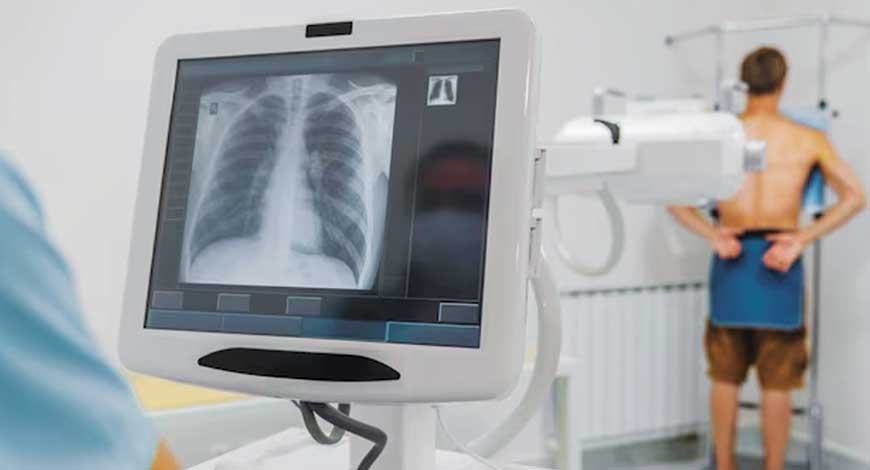
    Modern healthcare facilities are increasingly moving from conventional imaging methods to digital radiography. A well-designed Agfa DR system can help radiology departments capture images efficiently while supporting smoother daily workflows. Digital systems also make it easier to process, review, store, and share X-ray images compared with older film-based methods.

    For hospitals and diagnostic centres, the goal is not simply to purchase new equipment. The right imaging solution should improve workflow, support consistent image quality, and make examinations more convenient for both patients and radiographers.


    What Makes a Modern DR System Useful?

    A modern Agfa DR system combines X-ray generation, digital detectors, image processing, and workflow software into a connected imaging environment. This can reduce unnecessary steps during examinations and allow radiographers to review images quickly.

    Features such as automated positioning, motorised movements, digital detectors, and intelligent image processing can be particularly useful in busy departments. Faster image availability may also help staff identify whether an examination needs to be repeated before the patient leaves the room.


    Understanding the Agfa DR 600

    The Agfa DR 600 is designed for high-volume digital radiography environments where speed, positioning, and workflow efficiency are important. Its ceiling-mounted configuration allows the X-ray tube to move around the examination area, supporting different patient positions and examination requirements.

    The Agfa DR 600 also focuses on reducing physical effort during positioning. This can be valuable in departments that perform many examinations each day, where smooth equipment movement can save time and reduce unnecessary strain on radiographers.


    Where the Agfa DR 400i Fits In

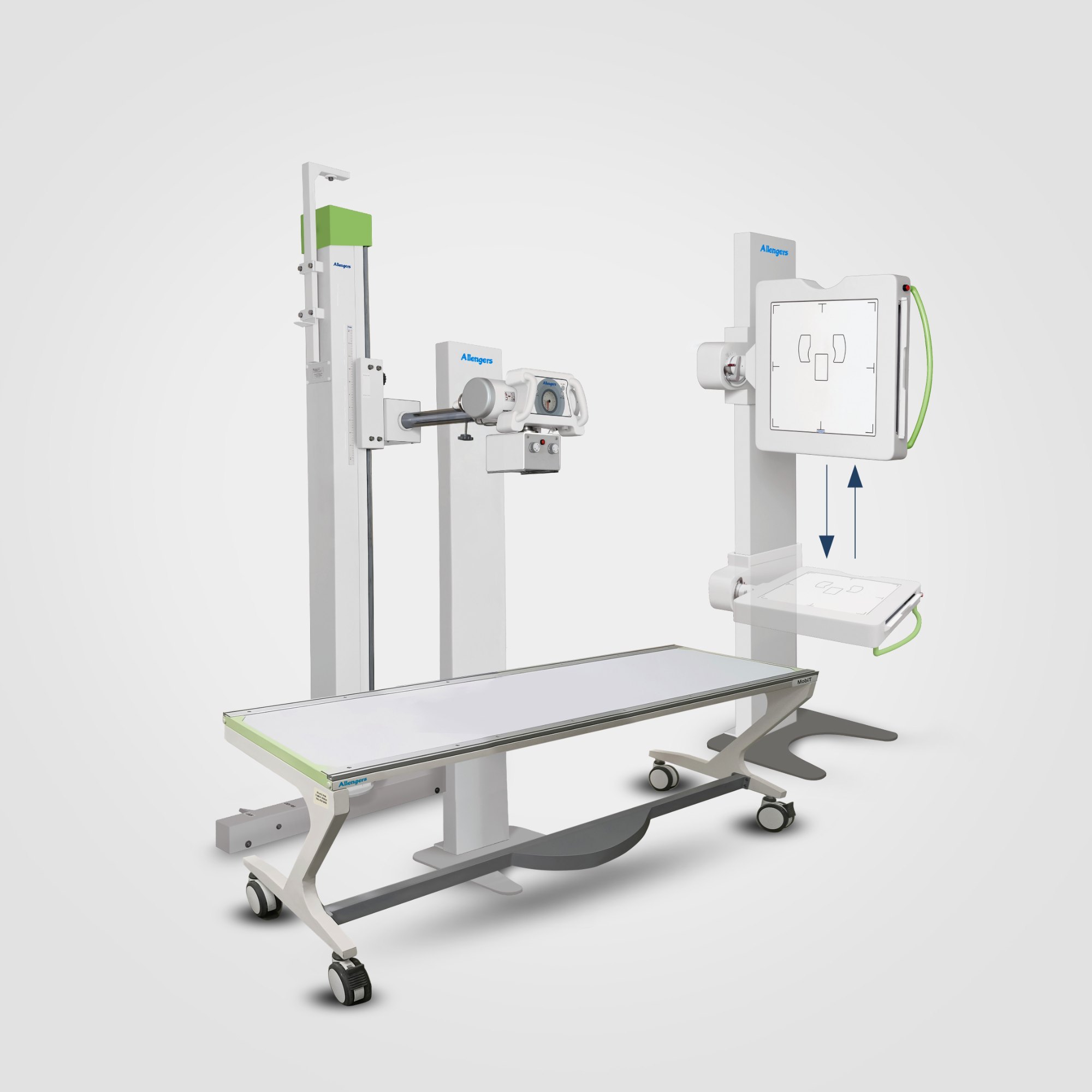
    Not every healthcare facility has the same space or operational requirements. The Agfa DR 400i is a floor-mounted digital radiography solution designed for facilities seeking an efficient full-room system.

    The Agfa DR 400i can support routine radiography while offering motorised movements and a floating patient table. This type of configuration can be practical for diagnostic centres and hospitals that need dependable imaging within a carefully planned room layout.


    The Role of a Mobile X-Ray Machine

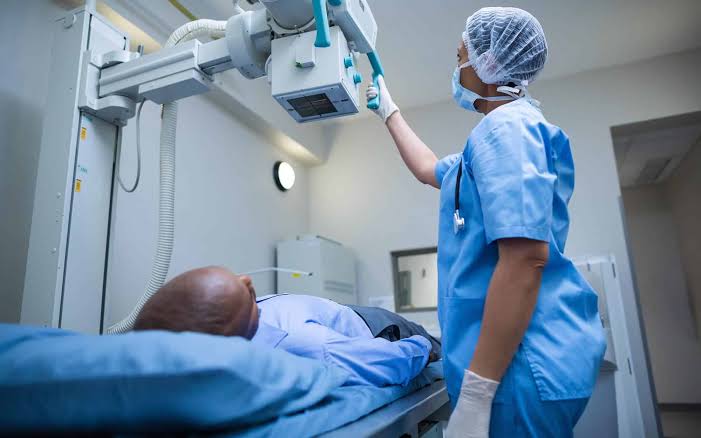
    Some patients cannot easily be transported to a conventional X-ray room. Intensive care units, emergency departments, wards, and operating areas may require imaging directly at the bedside. This is where a mobile x ray machine becomes valuable.

    A mobile x ray machine allows radiographers to bring imaging capability to the patient instead of moving the patient to the equipment. Modern mobile systems can combine digital detectors with streamlined workflows, helping staff obtain images efficiently in demanding clinical environments.


    Conclusion

    Advanced digital radiography is becoming an important part of efficient patient-focused imaging. With solutions covering fixed-room and mobile requirements, healthcare providers can build workflows around speed, image quality, usability, and flexibility. The right technology can help radiology teams work more confidently while supporting a smoother experience for patients.

    Healthcare facilities looking for dependable radiology technology can benefit from working with a specialist healthcare technology provider that combines established imaging expertise, practical workflow solutions, reliable equipment, and responsive professional support. A strong focus on innovation and clinical needs can make modern radiography a valuable long-term investment.

  • Smarter Joint Support: Choosing Braces for Comfort, Fit, and Mobility

    Smarter Joint Support: Choosing Braces for Comfort, Fit, and Mobility

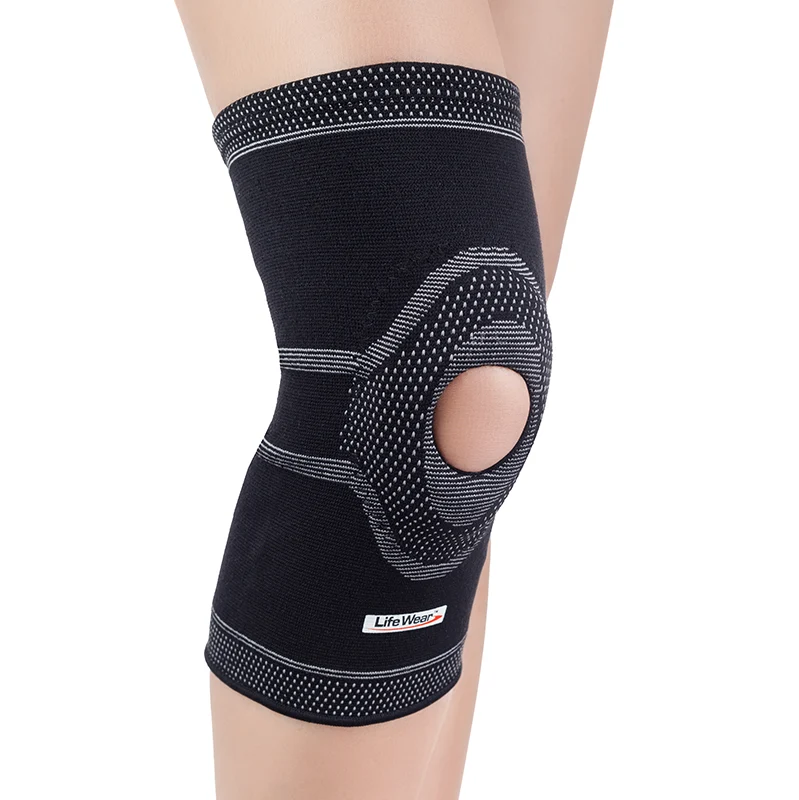
    Staying active is important, but everyday movement can sometimes put extra pressure on the ankles, elbows, and heels. Whether you enjoy sports, exercise regularly, work on your feet, or simply want better support during daily activities, the right support product can make movement feel more comfortable. From an ankle support to a heel protector, these products are designed to provide targeted support while allowing you to stay active.


    Why Ankle Support Matters

    The ankle carries much of the body’s weight and plays an important role in balance and movement. Walking, running, jumping, and sudden changes in direction can place stress on this joint. A good ankle support can provide stability and help users feel more secure during physical activity.

    An ankle brace can be especially useful when additional compression and support are needed. It may help limit unwanted movement while still allowing a practical range of motion. When choosing an ankle brace, look for a comfortable fit, breathable material, and adjustable features that do not feel overly restrictive.


    Choosing the Right Ankle Brace

    Not every ankle brace is designed for the same purpose. Some provide light compression for everyday use, while others offer stronger support for sports and physically demanding activities. The right option depends on the activity, level of support required, and personal comfort.

    A well-fitted ankle brace should stay securely in place without creating excessive pressure. Users should also consider whether they need support over a short period or as part of a regular activity routine.


    Understanding Tennis Elbow Support

    Elbow discomfort can affect people who play racket sports, lift weights, perform repetitive tasks, or spend long hours using their arms. A tennis elbow brace is designed to provide targeted compression around the forearm and elbow area.

    A tennis elbow brace can help improve comfort during activities that involve repeated gripping or arm movement. It is important to select one that fits comfortably and does not cause numbness, tingling, or excessive tightness. Proper sizing is essential for effective and comfortable use.


    Protecting Your Heels During Daily Activities

    The heels experience repeated impact throughout the day. Long periods of standing, walking, running, or wearing unsuitable footwear can contribute to discomfort. A heel protector can provide cushioning and help reduce friction in areas that experience regular pressure.

    A quality heel protector should feel soft against the skin while remaining secure during movement. People who spend several hours on their feet may find this type of support particularly useful for improving everyday comfort.


    Making a Practical Choice

    Choosing the right support product starts with understanding your activity and comfort needs. An ankle brace may suit active users who need added stability, while a heel protector can offer cushioning during daily movement. Those experiencing repetitive elbow strain may consider a tennis elbow brace for targeted support.

    For everyday comfort and active lifestyles, choosing products made with thoughtful design, practical materials, secure fitting, and user comfort in mind can make a meaningful difference. A reliable support-focused collection should offer options for different needs while keeping usability, comfort, and everyday movement at the centre of its design.

  • Common GCP Inspection Findings and How to Prevent Them Before They Happen

    Common GCP Inspection Findings and How to Prevent Them Before They Happen

    such as the analysis regularly published by The Clinical Trial Vanguard
    such as the analysis regularly published by The Clinical Trial Vanguard

    Good Clinical Practice inspection findings follow recognizable patterns across therapeutic areas and sponsor types, and a meaningful share of the most common findings are preventable through process changes made well before an inspector arrives, rather than through better performance during the inspection itself.

    Informed consent documentation issues remain among the most frequently cited findings, often involving consent forms that were not properly re-consented following a protocol amendment, or documentation gaps around when a specific version of the consent form was actually used with a specific patient. Building a systematic version-control process for consent documentation at the site level substantially reduces this risk.

    Source document verification discrepancies, where data recorded in the case report form does not match the underlying source documentation at the site, frequently stem from inadequate site training on what constitutes acceptable source documentation for a specific data point, rather than from deliberate data manipulation. Clear, protocol-specific source documentation guidance provided during site initiation visits addresses much of this risk before it becomes a pattern.

    Investigational product accountability findings, gaps in the chain of custody documentation for study drug from receipt through dispensing and return or destruction, often reflect inadequate site pharmacy training or unclear responsibility assignment at sites where the same staff handle multiple concurrent trials with different accountability requirements.

    Protocol deviation reporting delays are a recurring finding that usually reflects a site-level process gap rather than a monitoring failure, since sites sometimes lack clarity on what threshold of deviation requires formal reporting versus internal documentation only, a distinction that benefits from explicit, written guidance specific to each protocol rather than reliance on general GCP training alone.

    Coverage examining inspection findings across multiple sponsors and identifying the systemic process gaps behind recurring citation categories, rather than treating each finding as an isolated site failure, such as the analysis regularly published by The Clinical Trial Vanguard, gives quality teams a more useful basis for proactive process improvement than reacting to findings after they occur.

  • How to Choose the Right Surrogacy Destination for Your Family Journey

    How to Choose the Right Surrogacy Destination for Your Family Journey

    surrogacy in Mexico
    surrogacy in Mexico

    Starting a family through surrogacy is a life-changing decision. Every intended parent wants a safe, transparent, and supportive experience. Choosing the right country is one of the most important parts of this journey because legal rules, medical care, and overall support can vary from one destination to another. Understanding the differences between surrogacy in Mexico, surrogacy in Colombia, Surrogacy in Ghana, and surrogacy in Merida can help you make a confident and informed choice.

    Why Country Selection Matters

    Every country has its own legal framework, medical standards, and approach to assisted reproduction. Some destinations have well-established fertility clinics, while others are emerging as affordable options for international intended parents.

    Before making a decision, it is important to understand the local surrogacy laws, the rights of intended parents, and the medical expertise available. Working with experienced professionals can also make the process smoother from beginning to end.

    Understanding Surrogacy in Mexico

    Many families consider surrogacy in Mexico because of its experienced fertility specialists and growing medical infrastructure. Several regions have developed reliable support systems for international intended parents.

    When exploring surrogacy in Mexico, it is essential to review the legal requirements in the specific state where the process takes place. Since regulations can differ by location, expert guidance is valuable throughout the journey.

    Why Surrogacy in Merida Is Gaining Attention

    One destination that continues to attract attention is surrogacy in Merida. The city is known for its quality healthcare facilities, welcoming environment, and experienced medical professionals.

    Many intended parents choose surrogacy in Merida because it offers access to advanced fertility treatments while providing a calm and comfortable setting. Families also appreciate the city’s modern infrastructure and patient-focused healthcare services.

    The Growing Interest in Surrogacy in Colombia

    Over the past few years, surrogacy in Colombia has become a popular option for international families. The country offers skilled fertility specialists, modern clinics, and competitive treatment costs.

    Another advantage of surrogacy in Colombia is the availability of personalized care throughout the process. Intended parents often value the combination of medical expertise and compassionate support offered by experienced professionals.

    Exploring Surrogacy in Ghana

    For families looking at emerging destinations, Surrogacy in Ghana is becoming an option worth researching. The country has seen steady growth in fertility services, with more clinics offering advanced reproductive treatments.

    Choosing Surrogacy in Ghana requires careful planning and a clear understanding of legal procedures. As with any international surrogacy journey, professional guidance can help intended parents navigate documentation and medical requirements with confidence.

    Find Trusted Guidance for Your Journey

    Choosing international surrogacy is a major life decision that deserves expert support. A trusted fertility and family-building guidance platform can help intended parents understand legal requirements, compare destinations, connect with experienced medical professionals, and receive personalized assistance at every stage. With the right guidance, families can confidently explore options such as surrogacy in Mexico, surrogacy in Colombia, Surrogacy in Ghana, and surrogacy in Merida while focusing on what matters most, welcoming a child into their lives.


  • Why Flexible Digital Radiography Solutions Are Shaping Modern Healthcare

    Why Flexible Digital Radiography Solutions Are Shaping Modern Healthcare

    Mobile DR systems
    Mobile DR systems

    Healthcare providers today need imaging systems that are fast, reliable, and adaptable to different clinical environments. As patient numbers continue to grow, hospitals and diagnostic centres are investing in digital radiography solutions that improve workflow while delivering high-quality diagnostic images. Technologies such as DR 100, DR 800, mobile DR systems, and DR detectors have become important tools in meeting the changing demands of modern healthcare.

    Digital Radiography Brings Greater Efficiency

    Traditional imaging methods often involve longer processing times and additional manual steps. Digital radiography simplifies the entire process by producing high-resolution images within seconds. This allows doctors to review results quickly and begin treatment without unnecessary delays.

    Whether a facility uses DR 100 for everyday imaging or DR 800 for advanced clinical applications, digital radiography helps improve productivity and patient care. Faster imaging also means shorter waiting times and a smoother experience for both patients and healthcare professionals.

    Choosing the Right Imaging System

    No two healthcare facilities are exactly the same. Smaller clinics may need compact equipment that is easy to install and operate, while larger hospitals often require systems that support a wide variety of examinations.

    DR 100 is well suited for healthcare providers looking for dependable performance in routine diagnostic imaging. Meanwhile, DR 800 is designed to support more complex imaging requirements with greater flexibility and efficiency.

    Evaluating patient volume, available space, and clinical needs can help healthcare organisations choose the most suitable digital radiography solution.

    Mobile DR Systems Improve Patient Access

    One of the biggest advantages of modern imaging technology is mobility. Mobile DR systems make it possible to perform X-ray examinations wherever patients are located. This is especially useful in intensive care units, emergency departments, operating theatres, and isolation wards.

    Using mobile DR systems reduces the need to transport patients, which can save valuable time and minimise discomfort for those with serious medical conditions. Healthcare professionals also benefit from faster workflows and greater flexibility when managing busy hospital environments.

    As hospitals continue to focus on patient-centred care, mobile DR systems are becoming an increasingly valuable part of daily clinical practice.

    DR Detectors Deliver Reliable Image Quality

    The performance of any digital radiography system depends greatly on the quality of its DR detectors. These detectors capture detailed images with excellent clarity, allowing radiologists to identify medical conditions more accurately.

    Advanced DR detectors are designed to deliver fast image acquisition while supporting efficient workflows. They also help reduce repeat examinations by producing consistent image quality, which benefits both healthcare providers and patients.

    Investing in dependable DR detectors contributes to better diagnostic confidence and long-term operational efficiency.

    Supporting Better Imaging Every Day

    Choosing a reliable medical imaging solutions provider is an important step towards building an efficient radiology department. Healthcare organisations benefit from working with an experienced technology partner that offers advanced digital imaging systems, dependable technical support, and innovative solutions designed to improve workflow, enhance diagnostic accuracy, and deliver better patient outcomes.

  • Choosing the Right Walking Aid for Safe and Independent Everyday Living

    Choosing the Right Walking Aid for Safe and Independent Everyday Living

    walking stick with LED light
    walking stick with LED light

    Growing older or recovering from an injury can make walking more challenging. The right support can improve balance, reduce the risk of falls, and help people stay active. A reliable walking aid is more than just a support tool. It gives users the confidence to move around safely, whether at home or outdoors. Today, there are many modern options available, including a walking stick for elder users and advanced designs like a walking stick with LED light for extra convenience.

    Why a Walking Aid Is Important

    A good walking aid helps improve stability and reduces pressure on the knees, hips, and ankles. It supports people who experience weakness, joint pain, or balance issues. Using the right walking aid can make daily tasks such as shopping, walking in the park, or climbing stairs much easier.

    It is important to choose a support that matches the user’s height, weight, and level of mobility. A well-fitted walking stick offers better comfort and encourages correct posture.

    Features to Look for in a Walking Stick

    Not every walking stick is designed the same way. Before buying one, consider these important features:

    Adjustable Height

    A height-adjustable stick allows users to set the correct position, making walking more comfortable and reducing strain on the shoulders and back.

    Comfortable Grip

    Soft and ergonomic handles provide a firm hold, especially during long walks. They also help reduce hand fatigue.

    Strong and Lightweight Design

    Modern walking sticks are often made from lightweight aluminium, making them easy to carry while still providing excellent support.

    Anti-Slip Rubber Tip

    A quality rubber tip offers better grip on different surfaces and helps prevent slipping, especially during rainy weather.

    Why Choose a Walking Stick with LED Light?

    A walking stick with LED light is becoming a popular choice for seniors and anyone who walks during the early morning or evening. The built-in light improves visibility, helping users spot uneven paths, stairs, or obstacles ahead.

    This feature also makes the user more visible to others, adding an extra layer of safety. A walking stick with LED light is especially useful during power cuts, outdoor walks, or travelling in low-light conditions.

    Selecting the Best Walking Stick for Elder Users

    When buying a walking stick for elder family members, comfort and safety should always come first. Look for a sturdy frame, adjustable height, and a comfortable handle. Some models also fold easily, making them convenient for travel and storage.

    A walking stick for elder users should provide enough support without feeling heavy. Choosing the right design encourages regular movement, helping older adults stay independent and confident in their daily routines.

    Trusted Mobility Solutions for Everyday Comfort

    When selecting mobility support products, choosing a trusted healthcare and wellness solutions provider makes a significant difference. A reliable brand focuses on quality materials, user comfort, and thoughtful features that improve everyday living. From a dependable walking aid to a practical walking stick with LED light and a comfortable walking stick for elder users, trusted mobility experts offer products designed to promote confidence, independence, and safer movement every day.

  • Spinal Canal Stenosis: Reclaiming Space, Movement, and Comfort Without Surgery

    Spinal Canal Stenosis: Reclaiming Space, Movement, and Comfort Without Surgery

    Spinal Canal Stenosis Treatment
    Spinal Canal Stenosis Treatment

    The spinal canal performs a critical function: it provides a protected channel for the spinal cord and its branching nerve roots to travel from the brain to every part of the body. When that channel narrows, as it does in spinal canal stenosis, the consequences are felt wherever those compressed nerves reach.

    For many people, the diagnosis comes after months or years of symptoms that were attributed to other causes: general ageing, muscular weakness, poor fitness. When the real picture becomes clear, the next question is usually whether surgery is inevitable. In most cases, the answer is no – and non-surgical options have become sophisticated enough that they represent a genuine first-line response for the majority of patients.

    The Structural Changes That Drive Stenosis

    Spinal canal stenosis most commonly develops in the lumbar (lower back) and cervical (neck) regions, though it can affect any spinal level. The narrowing is typically the result of several overlapping degenerative changes:

    Disc degeneration reduces disc height, allowing the vertebrae to come closer to each other and altering the geometry of the spinal canal. Bone spur formation at the vertebral edges and facet joints reduces the available space within the canal. Thickening of the ligamentum flavum, a natural consequence of reduced spinal mobility and ageing, physically encroaches on the canal from the posterior side. In some cases, spondylolisthesis (vertebral slippage) creates a shearing reduction in canal space.

    The rate of progression varies widely between individuals and is influenced by both genetic predisposition and lifestyle factors, particularly the mechanical demands placed on the spine over years and decades.

    Recognising the Pattern of Symptoms

    Spinal canal stenosis symptoms are recognisable once the connection to spinal mechanics is understood:

    • Pain, heaviness, cramping, or weakness in the legs (lumbar stenosis) or arms (cervical stenosis) that worsens with sustained standing or walking
    • Symptoms that ease when sitting, bending slightly forward, or lying down – positions that reduce canal narrowing
    • Tingling or numbness in the limbs that varies with posture and activity level
    • Progressive reduction in the distance someone can walk before needing to rest
    • A gradual sense of limb weakness or coordination difficulty in more advanced cases


    The posture-dependence of symptoms is one of the most diagnostically useful features of stenosis and reflects the direct mechanical relationship between canal dimensions and nerve compression.

    Non-Surgical Spinal Canal Stenosis Treatment

    The goal of non-surgical treatment for spinal canal stenosis is to reduce the nerve compression that is causing symptoms, improve the circulation to the affected neural structures, and rebuild the muscular support that reduces ongoing compressive loading.

    Non-Surgical Spinal Decompression Treatment creates a controlled separation of the compressed vertebral segments, temporarily widening the spinal canal and reducing the pressure on the nerves passing through it. This is achieved through a computer-guided decompression mechanism that applies and releases precise forces in a carefully controlled rhythm, creating the decompressive effect without the risks of manual manipulation.

    The physiotherapy component of treatment focuses on exercises that promote lumbar or cervical flexion (which opens the stenotic canal), strengthen the core and deep spinal stabilisers, and improve the overall movement mechanics that determine how much compressive force the spine must manage during daily activities.

    ANSSI Wellness provides comprehensive Spinal Canal Stenosis Treatment through the integration of advanced decompression technology and personalised rehabilitation. Each patient’s plan is built from an individual assessment that identifies the specific levels and severity of stenosis before any treatment begins.

    Lifestyle Adjustments That Complement Treatment

    During treatment and as a long-term strategy, several daily habits meaningfully reduce the burden on a stenotic spine:

    Maintaining healthy body weight to reduce lumbar compressive loading

    Choosing activities that involve mild forward flexion (cycling, pool exercise) over those that require sustained lumbar extension

    Using appropriate ergonomic seating, and pacing activities to avoid the sustained upright loading that reliably aggravates nerve compression

    Conclusion

    Spinal canal stenosis is a progressive condition that benefits enormously from early, structured non-surgical treatment. The mechanical reality of the condition – compression that responds to decompression – makes it well suited to the kind of targeted care that modern spinal medicine now offers. Most people who pursue this path consistently achieve meaningful improvements in both symptom severity and functional capacity.

  • Medical Oncology Hospital in Bangalore: Advanced Cancer Care for Better Outcomes

    Medical Oncology Hospital in Bangalore: Advanced Cancer Care for Better Outcomes

    Introduction to Medical Oncology

    Cancer treatment has evolved significantly over the years, and medical oncology plays a crucial role in providing comprehensive care for patients diagnosed with various types of cancer. A Medical Oncology Hospital In Bangalore offers specialized diagnosis, treatment, and management of cancer using advanced therapies such as chemotherapy, immunotherapy, targeted therapy, and hormonal therapy. With experienced oncologists and modern facilities, patients receive personalized treatment plans designed to improve outcomes and quality of life.

    Understanding Medical Oncology

    Medical oncology is a branch of medicine focused on treating cancer through medications and systemic therapies. Medical oncologists work closely with surgeons, radiation oncologists, and other specialists to develop customized treatment strategies. Their expertise helps patients navigate every stage of cancer care, from diagnosis and treatment to recovery and long-term monitoring.

    Why Bangalore is a Preferred Destination for Cancer Treatment

    Bangalore has emerged as one of India’s leading healthcare hubs. The city is home to world-class hospitals equipped with cutting-edge technology and highly trained oncology specialists. Patients from across India and abroad choose Bangalore for cancer treatment due to its excellent medical infrastructure, advanced diagnostic facilities, and patient-centered care.

    Comprehensive Cancer Diagnosis

    Accurate diagnosis is the foundation of successful cancer treatment. Medical oncology hospitals in Bangalore utilize advanced imaging technologies, laboratory testing, biopsies, molecular profiling, and genetic testing to identify cancer types and stages. These detailed evaluations help oncologists create precise and effective treatment plans.

    Personalized Treatment Plans

    Every cancer case is unique. Medical oncologists assess factors such as cancer type, stage, overall health, and genetic markers before recommending treatment. Personalized care ensures that patients receive therapies best suited to their specific condition, maximizing effectiveness while minimizing side effects.

    Chemotherapy Services

    Chemotherapy remains one of the most widely used cancer treatments. It involves using powerful medications to destroy cancer cells or slow their growth. Medical oncology hospitals in Bangalore provide safe and monitored chemotherapy administration with dedicated support teams to manage treatment-related side effects effectively.

    Targeted Therapy for Precision Treatment

    Targeted therapy focuses on specific molecules or genetic mutations responsible for cancer growth. This advanced treatment approach minimizes damage to healthy cells while attacking cancer cells more precisely. Many oncology centers in Bangalore offer state-of-the-art targeted therapy options for eligible patients.

    Immunotherapy: Harnessing the Body’s Defense System

    Immunotherapy has revolutionized cancer treatment by helping the immune system recognize and fight cancer cells. This innovative treatment has shown promising results in various cancers, including lung cancer, melanoma, and certain blood cancers. Leading oncology hospitals in Bangalore provide access to the latest immunotherapy treatments.

    Multidisciplinary Cancer Care

    Successful cancer treatment often requires collaboration among multiple specialists. Medical oncologists work alongside surgical oncologists, radiation oncologists, pathologists, radiologists, nutritionists, and rehabilitation experts. This multidisciplinary approach ensures comprehensive care and better patient outcomes.

    Supportive Care and Symptom Management

    Cancer treatment can bring physical and emotional challenges. Medical oncology hospitals offer supportive care services that help manage pain, fatigue, nausea, and other treatment-related symptoms. Psychological counseling and emotional support also play a vital role in helping patients cope with their cancer journey.

    Advanced Infrastructure and Technology

    The Best Medical Oncology Hospital In Bangalore is equipped with modern diagnostic and treatment technologies. Advanced laboratories, digital imaging systems, infusion centers, and precision medicine programs contribute to accurate diagnosis and effective treatment delivery.

    Experienced Medical Oncologists

    The expertise of oncologists significantly impacts treatment outcomes. Bangalore’s leading hospitals employ highly qualified medical oncologists with extensive experience in managing complex cancer cases. Their knowledge of the latest therapies ensures patients receive evidence-based and innovative treatment options.

    Importance of Early Detection

    Early diagnosis can significantly improve cancer treatment success rates. Regular screenings, health checkups, and prompt medical consultation for unusual symptoms help detect cancer at earlier stages when treatment is often more effective and less invasive.

    Patient-Centered Approach

    Medical oncology hospitals prioritize patient comfort and well-being. From consultation to follow-up care, healthcare teams focus on clear communication, compassionate support, and individualized treatment experiences that empower patients throughout their recovery journey.

    Follow-Up and Survivorship Care

    Cancer care does not end after treatment completion. Ongoing follow-up visits help monitor recovery, detect recurrence early, and address long-term health concerns. Survivorship programs support patients in maintaining a healthy lifestyle and improving their overall quality of life.

    Conclusion

    Choosing the right medical oncology hospital is an important decision for cancer patients and their families. Bangalore offers access to advanced cancer treatments, experienced specialists, and comprehensive support services. Whether seeking diagnosis, chemotherapy, immunotherapy, or long-term cancer management, medical oncology hospitals in Bangalore provide world-class care focused on achieving the best possible outcomes and enhancing patient well-being.

  • Why Neurodiversity Conversations at Work Matter More Than Ever

    Neurodiversity Awareness Speaker
    Neurodiversity Awareness Speaker

    There’s been a quiet shift happening inside modern workplaces. Not loud, headline-making change — more like a gradual realization. Teams are starting to understand that not everyone thinks, communicates, learns, or solves problems in the same way. And honestly, that’s not a weakness. In many cases, it’s the thing that makes a business stronger.

    The problem is, most companies still don’t fully know how to support neurodivergent employees in meaningful ways. Policies might exist on paper, but culture is where the real work happens. That’s exactly why bringing in a Neurodiversity Awareness Speaker has become increasingly valuable for organizations trying to create workplaces that feel genuinely inclusive rather than performative.

    And no, this isn’t just about corporate trends or ticking HR boxes. It’s about people. Real people who often spend years masking who they are simply to fit into environments that weren’t designed with them in mind.

    Understanding Neurodiversity Beyond Buzzwords

    The word “neurodiversity” gets used a lot these days, sometimes so casually that it starts to lose meaning. But at its core, the concept is actually pretty simple: human brains work differently. Conditions such as autism, ADHD, dyslexia, dyspraxia, and other cognitive variations are part of natural human diversity.

    That doesn’t automatically mean limitation. In fact, many neurodivergent individuals bring exceptional creativity, pattern recognition, problem-solving skills, innovation, and focus into the workplace. Yet despite these strengths, traditional work environments can unintentionally create barriers.

    Think about open office noise, unclear communication, rigid meeting structures, or expectations around eye contact and social interaction. For some employees, these things aren’t mildly annoying — they’re exhausting.

    The gap between talent and understanding is often where companies struggle.

    The Workplace Is Changing, Even If Slowly

    A few years ago, conversations about inclusion mainly focused on visible diversity. Now businesses are beginning to realize cognitive diversity deserves equal attention. The smartest organizations aren’t just hiring differently; they’re learning differently too.

    That’s where workplace education becomes essential.

    An experienced neurodiversity in the workplace speaker can help teams move past stereotypes and awkward assumptions. More importantly, they create space for practical understanding. Employees don’t necessarily need clinical expertise. They need awareness, empathy, and tools that actually help them collaborate better.

    And surprisingly, these conversations often improve communication for everyone — not just neurodivergent staff.

    I’ve noticed that when workplaces become clearer, kinder, and more flexible, productivity tends to rise naturally. People stop spending energy pretending to function in ways that drain them. That energy gets redirected into actual work, ideas, and collaboration.

    Funny how that works.

    Why Many Neurodivergent Employees Stay Silent

    One thing that rarely gets talked about enough is masking.

    A lot of neurodivergent professionals become experts at hiding struggles. They rehearse conversations, suppress stimming behaviors, overanalyze social interactions, and push themselves through burnout just to appear “normal” at work.

    From the outside, everything may look fine.

    But internally? It can feel relentless.

    That’s partly why awareness sessions and workplace talks matter so much. Sometimes employees don’t need dramatic interventions. Sometimes they just need reassurance that they won’t be judged for asking for clarity, quiet space, flexibility, or different communication methods.

    A workplace culture can change dramatically when leadership starts listening instead of assuming.

    Inclusion Isn’t About Lowering Standards

    This misconception still pops up more often than it should.

    Supporting neurodivergent employees doesn’t mean reducing expectations or giving unfair advantages. It means removing unnecessary obstacles so talented people can perform at their best.

    Honestly, most workplace adjustments are surprisingly small:

    • Clear written instructions
    • Flexible communication preferences
    • Reduced sensory overload
    • Structured feedback
    • Predictable schedules when possible
    • Allowing different problem-solving approaches

    None of this weakens performance. If anything, it creates better systems for everyone involved.

    And that’s the thing many companies eventually realize: accessibility often improves the overall employee experience, not just for one group.

    The Human Side of Workplace Awareness

    Some of the most impactful workplace talks aren’t packed with statistics or corporate jargon. They resonate because they feel personal.

    Stories matter.

    When employees hear firsthand experiences from neurodivergent professionals, something shifts. Labels stop feeling abstract. The conversation becomes human instead of theoretical.

    A good speaker doesn’t just explain challenges. They highlight strengths, resilience, creativity, humor, and the reality of navigating environments that weren’t always built inclusively.

    That perspective can completely reshape team dynamics.

    Managers become more thoughtful. Coworkers communicate differently. Leadership starts asking better questions. Small adjustments happen organically rather than through forced compliance training.

    And honestly, those subtle culture shifts are usually the ones that last.

    Building Better Workplaces Starts With Awareness

    No workplace becomes inclusive overnight. It’s an ongoing process, and sometimes a messy one too. Companies will make mistakes. Leaders won’t always get things right immediately.

    But willingness matters.

    The organizations making real progress are the ones willing to listen, learn, adapt, and rethink outdated ideas about professionalism and productivity.

    Neurodiversity awareness isn’t about creating special treatment. It’s about recognizing that different minds bring different value — and workplaces become stronger when that diversity is understood rather than suppressed.

    At the end of the day, employees perform best when they feel safe enough to be themselves. That’s not idealism. That’s practical, human-centered leadership.

    And perhaps that’s the real conversation businesses need to have more often.