Category: Medical

  • Why Finding the Right Doctor Matters More Than You Think

    Why Finding the Right Doctor Matters More Than You Think

    Surgery is one of those words that hits you a little harder than most. You hear it, and your heart skips a beat. Even if it’s “routine” or “outpatient,” the idea of someone cutting into your body isn’t something you just casually accept. It brings questions, worry, sometimes fear. But more than anything, it demands trust—and that’s not something you hand out easily.

    Whether you’re facing a gallbladder issue, hernia repair, or some other unexpected health twist, the surgeon you choose can shape not just your recovery, but your entire experience. And in a state as vast and diverse as Texas, the options are endless… but they’re not all equal.

    Let’s talk about what really matters when choosing a surgeon in the Lone Star State—beyond the flashy bios and glossy websites.

    Gallbladder Trouble Isn’t Just a Nuisance—It’s a Wake-Up Call

    Gallbladder issues have a way of creeping up quietly. One minute you’re fine, the next you’re curled up on the floor wondering why your side hurts like someone punched you from the inside. Bloating, sharp abdominal pain, nausea—it all points to that small organ many of us never think about until it throws a fit.

    If you’ve been told you need gallbladder surgery, you’re not alone. It’s one of the most common surgical procedures in the U.S. But that doesn’t mean it’s something to brush off. A skilled gallbladder doctor can mean the difference between a smooth laparoscopic procedure and a recovery riddled with complications.

    The best doctors don’t just remove the gallbladder—they walk you through the whole journey: before, during, after. They explain things without jargon, ask the right questions, and genuinely listen to yours. Because when your insides are on the line, clarity isn’t a luxury—it’s a necessity.

    In Texas, Bigger Isn’t Always Better—But Experience Sure Helps

    Here’s the thing about choosing a Texas surgeon—you’ve got options. That’s both a blessing and a curse. Every major city, from Dallas to Houston to Fort Worth, has dozens (if not hundreds) of general surgeons. So how do you narrow it down?

    Start by filtering for the basics: board certification, hospital affiliations, patient reviews. But also look at how often they perform the procedure you need. Volume isn’t everything, but repetition builds expertise. A surgeon who handles gallbladder removals weekly will likely have smoother processes, fewer complications, and better overall outcomes than someone who only does a few per year.

    Also, don’t be afraid to look past the big hospital systems. Many of the most respected surgeons in Texas operate in smaller practices or independent clinics. They’re not trying to win awards—they’re just trying to do right by their patients. And honestly, that counts for a lot.

    What Sets Fort Worth Surgeons Apart? Roots. Reputation. Real Talk.

    Now, if you’re in the Fort Worth area, you’ve probably heard friends or neighbors toss around names, especially if you’ve mentioned surgery in passing. This town has a tight-knit medical community, and word-of-mouth still matters here.

    The best general surgeons in Ft-Worth tend to have something in common—they’re not just technically excellent. They’re also present. Approachable. Down-to-earth. They know how to speak plainly without being condescending, and they don’t disappear the minute the operation’s done.

    That kind of care doesn’t always show up on Google reviews. It shows up in stories—like the neighbor who had a scary appendix flare-up but swears her surgeon treated her like family. Or the coworker who had a complication after surgery and said the follow-up care felt even more supportive than the surgery itself.

    So ask around. Listen to real experiences. And trust your gut—because if something feels off during a consultation, it probably is.

    A Few Things to Keep in Mind Before You Decide

    No two surgeries—or surgeons—are alike. Even for the same procedure, different doctors have different approaches, bedside manners, communication styles, and recovery philosophies. So don’t feel bad for being picky. It’s your body. It’s your time. It’s your future.

    Here are a few quick tips before you make that final decision:

    • Ask about their preferred surgical approach. Is it laparoscopic? Open? Robotic? Why do they recommend it?

    • Talk about anesthesia. Who handles it? Do they work with a dedicated team?

    • Discuss recovery. What’s the typical timeline? What should you watch for?

    • Don’t be afraid to ask the “dumb” questions. A good surgeon doesn’t mind repeating themselves or breaking it down until you get it.

    And hey—if you don’t click with the first one you meet? Get a second opinion. It’s not rude. It’s responsible.

    Final Thoughts: You Deserve More Than a Procedure—You Deserve a Partner

    Going under the knife—no matter how routine the operation—isn’t something anyone dreams of doing. But sometimes life nudges us (or shoves us) toward the OR. And in those moments, you want someone in your corner who’s steady, skilled, and human.

    So whether you’re hunting down a gallbladder doctor, comparing notes on a trusted Texas surgeon, or getting recommendations for the best general surgeons in Ft-Worth, remember this: the decision isn’t just medical—it’s personal.

  • What Causes Severe Arthritis In The Ankle Joint? 

    What Causes Severe Arthritis In The Ankle Joint? 

    best orthopedic hospital in Coimbatore
    best orthopedic hospital in Coimbatore

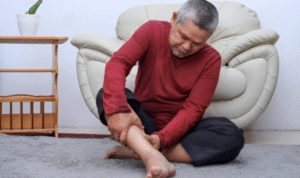
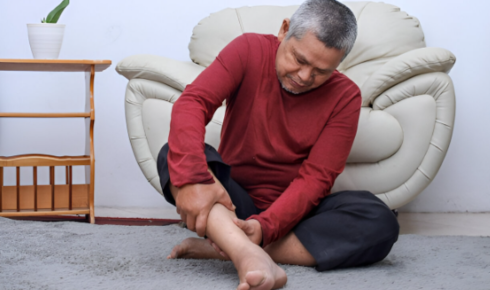
    The ankle joint is one of the most significant joints in the human body. It bears our body weight, allows movements such as walking, running, and jumping, and notably plays a crucial role in maintaining balance. When arthritis disturbs the ankle joints, it creates persistent pain, swelling, and difficulty in making simple movements. Have you ever imagined what causes severe arthritis in the ankle joint? Further, let’s have a close look at the ankle joint arthritis, its causes, and contributing factors. 


    What is arthritis in the ankle? 


    As we know, arthritis is nothing but an inflammation in the joints. Simply, the ankle bone consists of three bones: the tibia, fibula, and talus. Each ends of these bones are covered with cartilage, which helps them move smoothly against each other. In arthritis, this cartilage breaks down, resulting in bone-on-bone contact, swelling, pain, and reduced mobility, in such cases, you should reach out to the best orthopedic hospital in Coimbatore to get the appropriate treatment. 


    What are the common types of arthritis that disturb the ankle? 


    • Osteoarthritis (degenerative joint disease): 


    • Cause: Over time, the wear and tear will cause this. 
    • Why does it happen: When aging, the cartilage that cushions the ankle joint will erode slowly. 
    • Common in: Individuals over the age of 50 are more prone to it, and those who are overweight or have had previous injuries. 


    • Post-traumatic arthritis: 


    • Cause: This typically arises from the result of a fracture, dislocation, or severe sprain. 
    • Why does it happen: Trauma will gradually damage the cartilage directly or the alignment of the joint, resulting in rapid degeneration. 
    • Common in: Young individuals with a history of ankle injuries. 


    • Rheumatoid arthritis (RA): 


    • Cause: This is an autoimmune condition, where the joint lining will be attacked by the immune system.  
    • Why does it happen: RA results in chronic inflammation, disturbing both sides of the body, including joint inflammation in the ankle. 
    • Common in: Middle-aged adults, and women are more prone to it. 


    • Gout: 


    • Cause: Due to the accumulation of uric acid crystals in the joint. 
    • Why does it happen: The crystals cause severe pain and inflammation, often beginning in the big toe, but also affect the ankle. 
    • Common in: Individuals with a high-purine diet, consumption of alcohol, or kidney disease. 


    • Psoriatic arthritis: 


    • Cause: Linked to psoriasis, which is an autoimmune skin condition. 
    • Why does it happen: The immune system attacks healthy joints and tissues. 
    • Common in: Individuals with psoriasis, even if the effect of the disease is mild. 


    What actually causes severe ankle arthritis? 


    Further, let’s see the main contributing causes in more detail: 


    • Joint injuries: 


    • Ankle injuries, like fractures, ligament tears, and recurring sprains, can trigger early arthritis. 
    • Affected cartilage may not heal properly, resulting in joint disability and degeneration. 
    • Even though the injury heals, misalignment can accelerate wear. 


    • Genetics: 


    • A few individuals will inherit genes that make them more susceptible to autoimmune arthritis or poor cartilage repair. 
    • A family history of RA, osteoarthritis, or gout increases the likelihood of ankle joint involvement. 


    • Obesity: 


    • Being overweight adds additional stress to weight-bearing joints, including ankles. 
    • Even a slight increase in body weight will add more pressure on the ankles, eventually leading to cartilage breakdown. 


    • Binge use or repetitive stress: 


    • Engaging in high-impact activities like jumping, running, and specific sports will result in cartilage wear over time. 
    • Further, if your occupation requires you to stand for a long time or involves heavy lifting can also contribute. 


    • Inflammatory conditions: 


    • Persistent swelling due to autoimmune diseases such as RA or psoriatic arthritis will affect the joint tissue. 
    • These conditions not only disturb the cartilage but also the tendons and ligaments. 


    • Infections: 


    • Infections will invade the joint spaces and cause septic arthritis. 
    • Though rare, if overlooked, it will badly affect your ankle joint in a short time. 


    • Metabolic disorders: 


    • Conditions such as gout or hemochromatosis will result in chemical imbalances, disturbing your joint health. 
    • Uric acid or iron crystals in the joint cause severe swelling and damage. 


    What are the ankle joint arthritis symptoms? 


    You need to understand that signs will greatly vary based on the type of arthritis, but commonly include: 


    • Chronic pain in the ankle, notably with movement 
    • Inflammation around the joint 
    • Ankle joint stiffness and swelling 
    • Tenderness to the touch 
    • Difficulty walking or bearing weight 
    • Joint instability 
    • Clicking and a grinding sound when walking 


    What are the ways available to treat ankle arthritis? 


    You need to understand that arthritis cannot be cured, but can only slow down the progression, and can manage the symptoms. The common treatment options include: 


    • Lifestyle modifications: 


    • Concentrate on your weight as it can greatly reduce the pressure on your ankle. 
    • Engage in low-impact activities such as swimming or cycling to enhance joint strength without strain. 


    • Medications: 


    Medications will greatly assist in reducing your pain and inflammation. Also, a few medications will treat autoimmune arthritis and also manage gout. 


    • Physical therapy: 


    • Concentrates on strengthening the muscles around the joint and improving flexibility. 
    • Assist in reducing stiffness and improving balance. 


    • Braces or orthotics: 


    • Ankle braces assist in offering support and reducing strain. 
    • Orthotics will enhance alignment and comfort. 


    • In severe  cases, surgery: 


    • To remove the affected tissue and bone spurs, doctors will recommend arthroscopic surgery. 
    • In joint fusion, bones will be fused to avoid pain, but it reduces mobility. 
    • A rheumatoid arthritis specialist in Coimbatore will recommend ankle replacement to reduce pain and regulate your movement. 


    Final thoughts: 


    Severe arthritis in the ankle joint is a painful and disabling condition; however, being aware of its causes allows you to take the right preventive measures. Whether it’s from wear and tear, past injuries, autoimmune disease, or lifestyle factors, timely diagnosis and treatment can make a huge difference in maintaining your mobility and quality of life. 


  • Cultural Sensitivity in Elder Care: Embracing Diversity in Houston Facilities

    Cultural Sensitivity in Elder Care: Embracing Diversity in Houston Facilities

    As the sun sets over the diverse tapestry of Houston, a city renowned for its vibrant mix of cultures and traditions, an equally pressing conversation is unfolding within its elder care facilities. Cultural sensitivity in elder care is not merely a matter of preference; it is a crucial aspect that can profoundly impact the quality of life for residents from varied backgrounds. With nearly 145 languages spoken and communities hailing from all corners of the globe, Houston stands as a microcosm of cultural richness that must be reflected in its approach to senior living.

    In this environment, embracing diversity goes beyond acknowledging differences — it requires active engagement with the unique values, beliefs, and practices that shape each individual’s experience. As caregivers strive to provide compassionate and personalized support, understanding cultural nuances becomes essential in fostering trust and enhancing well-being among elderly populations. This article delves into how Houston’s elder care facilities are pioneering strategies to create inclusive spaces where every resident’s identity is honored and celebrated, ultimately enriching both their lives and those of their caregivers.

    Why Diversity Matters in Elder Care

    Diversity in elder care goes beyond simply accommodating different backgrounds; it enriches the quality of care and enhances overall well-being. As our populations grow increasingly multicultural, understanding the unique customs, languages, and preferences of diverse elderly individuals becomes crucial for delivering personalized care. When caregivers respect varied cultural traditions—whether in dietary practices, communication styles, or health beliefs — they foster an environment where seniors feel seen and valued. This sense of belonging can significantly improve mental health outcomes, reducing feelings of isolation often faced by older adults.

    Moreover, employing a diverse workforce staffing in elder care brings together a wide array of perspectives that can lead to innovative solutions for common challenges. Diverse teams are more adept at problem-solving because they approach situations from different angles, ensuring comprehensive assessments and interventions tailored to individual needs. Additionally, representation matters; when seniors see caregivers who reflect their own backgrounds or experiences, it builds trust and encourages open communication about sensitive topics like end-of-life decisions or chronic illness management. Ultimately, embracing diversity is not just a best practice—it’s essential for fostering dignity and respect in the aging process.

    Overview of Houston’s Multicultural Population

    Houston stands as a vibrant tapestry of cultures, with over 145 languages spoken and communities that draw from every corner of the globe. This multicultural atmosphere not only contributes to the city’s rich social fabric but also has vital implications for the health and well-being of its residents, particularly in areas like elder care at home. As diverse traditions intersect, families often blend caregiving practices that honor both cultural heritage and modern healthcare principles, resulting in innovative approaches tailored to meet the unique needs of their elderly loved ones.

    The city’s demographic mosaic fosters an environment where different perceptions of aging coexist harmoniously. For instance, while some cultures emphasize familial responsibility in caring for elders within the home, others may lean towards community programs or professional assistance. This dynamic encourages a cross-cultural exchange of ideas surrounding elder care options. In Houston, numerous resources are emerging—such as multilingual services and culturally-sensitive training—that ensure caregivers can maintain respect for traditions while implementing effective support strategies at home. By embracing this amalgamation of values and practices, Houston is not only enhancing individual quality of life but also paving the way for impactful innovations in senior care across diverse populations.

    Challenges in Culturally Sensitive Care

    Culturally sensitive care in elder care at home presents unique challenges that often go unrecognized, yet are critical to delivering effective and respectful services. One of the primary hurdles is the diverse cultural beliefs surrounding aging and health practices. For instance, some cultures emphasize familial involvement in medical decisions or view aging as a respected stage of life, contrasting sharply with Western ideologies that may prioritize independence and autonomy. This discrepancy can lead to misunderstandings between caregivers and families, ultimately impacting the quality of care delivered.

    Moreover, language barriers complicate these interactions further; caregivers who are not fluent in a senior patient’s native tongue may struggle to convey empathy or gather essential information about their medical history and preferences. This gap can foster feelings of isolation for elderly patients who already face the challenges of aging. Training programs that focus on enhancing intercultural communication skills can bridge this divide by equipping caregivers with tools to foster better relationships with their clients, ultimately enriching the caregiving experience for all involved.

    Socioeconomic factors also play a role in culturally sensitive elder care at home. Access to resources varies significantly among different communities, influencing not only healthcare outcomes but also how elderly individuals receive support from family members within those frameworks. By understanding these multifaceted challenges—rooted deeply in culture, language proficiency, and economic conditions—providers can begin tailoring their approaches to meet individual needs effectively while honoring diverse backgrounds, leading toward more inclusive elder care practices overall.

    Strategies for Enhancing Cultural Competence

    Enhancing cultural competence, especially in the context of providing elder care at home for Houston residents, requires a multifaceted approach that prioritizes understanding and sensitivity to diverse backgrounds. One effective strategy is fostering continuous education for caregivers about the specific cultural traditions and health practices of their clients. This education can take various forms, from workshops led by cultural experts to interactive sessions where caregivers engage directly with family members to share insights on dietary preferences or end-of-life rituals that are significant in different cultures.

    Another key tactic involves incorporating culturally appropriate assessment tools in care plans. By acknowledging individual values and beliefs, caregivers can better tailor their services to meet emotional and psychological needs alongside physical requirements. For instance, recognizing the importance of maintaining familial ties may prompt caregivers to facilitate virtual visits or traditional communications that respect family dynamics and obligations inherent within many cultures. Moreover, creating an open environment for dialogue encourages clients and families to voice concerns related to care practices; this not only promotes trust but also empowers individuals by involving them proactively in their own elder care journey.

    Training Staff on Cultural Awareness

    Training staff on cultural awareness in the context of home care for elders is not just a best practice; it is an essential cornerstone that enriches the caregiving experience. As caregivers interact with seniors from diverse backgrounds, understanding cultural nuances becomes crucial in building trust and fostering effective communication. By integrating cultural competence training into regular professional development, organizations can empower their staff to recognize and appreciate the varied traditions, values, and expectations that influence an elder’s perspective on care.

    Moreover, culturally aware caregivers are more adept at identifying specific needs related to dietary restrictions, health practices, and family structures that vary significantly across cultures. This sensitivity doesn’t merely enhance service delivery; it also promotes a sense of dignity and respect among elderly clients who may feel marginalized or invisible within mainstream narratives. Implementing role-playing exercises or inviting guest speakers from various cultural backgrounds during training sessions can provide staff with relatable insights and practical skills they can apply daily. Ultimately, by cultivating a culture of awareness within home care settings, providers position themselves as leaders in compassionate care while ensuring equitable treatment for all seniors they serve.

    Building Trust with Diverse Families

    Building trust with culturally diverse families in the realm of home care for elders requires a nuanced understanding of their unique backgrounds and values. Every culture has its own set of expectations regarding caregiving, which often stems from historical practices, language nuances, and familial roles. By actively engaging with families to learn about their cultural preferences, care providers can create personalized care plans that align more closely with the family’s traditions, allowing them to feel respected and understood.

    Moreover, effective communication is essential for nurturing trust. This goes beyond mere translation; it involves embracing cultural context to foster genuine connections. For instance, demonstrating sensitivity towards specific religious practices or dietary restrictions can significantly enhance a family’s comfort level and engagement in the caregiving process. Establishing consistent check-ins not only reassures families but also allows caregivers to adapt care strategies as needs evolve, reinforcing their commitment to quality service while honoring each family’s heritage. In this way, building trust becomes a collaborative journey where compassion meets cultural competence.

    Incorporating Traditions and Practices into Care

    Incorporating traditions and practices into senior home care services isn’t merely about honoring the past; it’s a vital component of culturally competent care that enhances emotional well-being and fosters connection. For many seniors, rituals such as family gatherings, regional culinary experiences, or even religious observances are key to their identity. By understanding and integrating these elements into daily routines, caregivers can create an environment that feels familiar and comforting for elderly clients, ultimately promoting better mental health outcomes.

    Furthermore, acknowledging the diverse cultural backgrounds of seniors invites an opportunity for caregivers to engage in meaningful dialogue. When staff members actively seek out the stories behind specific customs—be it traditional songs during mealtime or seasonal celebrations—they not only enrich their own understanding but also empower seniors to share their heritage. Such interactions can bridge generational gaps and develop a profound level of trust between caregiver and resident. As senior home care evolves towards greater inclusivity, embracing these traditions becomes essential—a hallmark of truly empathetic care that respects individuals while enhancing community bonds within assisted living environments.

    Case Studies of Successful Facilities

    In the realm of elder care, successful facilities have adopted innovative approaches that not only enhance the quality of life for residents but also redefine industry standards. A couple of facilities have integrated biophilic design principles to create an environment that fosters connection with nature. This approach has been tied to improved mental health outcomes and reduced anxiety among residents, showcasing how thoughtful architecture can play a pivotal role in elder well-being. The facilities incorporate indoor gardens and natural light to encourage mobility and social interaction, proving that aesthetics and functionality can coexist harmoniously.

    One standout case is Angels Instead, an elder care facility in Houston, TX, that has redefined what personalized care can achieve. By integrating advanced technologies alongside a compassionate staff approach, Angels Instead provides tailored health solutions that cater specifically to the unique needs of each resident. This innovative fusion not only enhances patient outcomes but also fosters a strong sense of community among residents and their families.

    Another compelling example comes from the Spring community, renowned for its commitment to personalized care plans tailored to individual needs. By leveraging advanced data analytics, staff members are able to monitor each resident’s health metrics in real-time, allowing for proactive interventions. This model not only optimizes health outcomes but also empowers residents by involving them in their own care decisions—promoting a sense of autonomy often absent in traditional settings. These case studies illustrate a shift towards more holistic approaches in elder care facilities—emphasizing environmental design and personalized strategies-always with an eye on achieving greater dignity and independence for older adults.

    Embracing Diversity for Better Care

    In conclusion, embracing diversity in caregiving for the elderly is not merely a moral imperative but a practical necessity that enhances the quality of care delivered. By recognizing and valuing the unique backgrounds, traditions, and needs of older adults, healthcare providers can create more inclusive environments that foster trust and engagement. This cultural competence leads to improved health outcomes and overall satisfaction among seniors. As society continues to evolve, it is crucial for caregivers and policymakers alike to prioritize diversity training and inclusive practices within elder care settings. Together, let us commit to building a more equitable healthcare system that honors the richness of our diverse population while ensuring every elderly individual receives the compassionate care they deserve.
  • Pet Poisoning- Recognizing the Symptoms and Seeking Immediate Help

    Pet Poisoning- Recognizing the Symptoms and Seeking Immediate Help

    Pet poisoning occurs in many households, and the substances that can lead to poisoning might be there inside homes, too. Various medicines and drugs can result in poisoning if the animal ends up having them. If you are a pet owner, it is essential that you are able to recognize what can result in pet poisoning. 

    There are various substances that need to be recognized by the owner so that they can keep them away from their pets. When you have an idea of what the things that can lead to poisoning are, you will try keeping them in places where your pets cannot get them. 

    In Maple Valley, residents typically own cats and dogs, but some may also have other animals as pets. It is also essential to know what things can lead to problems for your particular pet. Different animals have different susceptibilities. 

    Thus, recognizing such things first is critical. Contact an animal hospital in Maple Valley, WA, to get your pet checked for any problem. They can assess the condition thoroughly and let you know about the treatment. 

    What are some top pet poisons?

    There are substances that are not harmful to humans, even if you ingest them. However, they might be dangerous or even poisonous for your pets. Let us look at some of those substances:

    • Ibuprofen, aspirin, and other medications can also result in poisoning.
    • Avoid feeding or letting your pet have garlic, chocolate, grapes, and some other food items.
    • Fertilizers and other chemicals used to kill weed can be really harmful to the animals. 
    • Glue, paint, and other chemically based products are not good either.
    • Lilies and sago palms among plants and flowers.
    • Insecticides and other pest-killing products are really harmful.

    What are the different types of poisoning observed in animals?

    There are various types of poisoning, such as:

    • Neurologic poisoning symptoms observed in animals:

    Your pet’s brain can be affected by some poison. Antidepressants, alcohol, detergents, and some other substances can result in poisoning, and it may affect the pet’s brain. You are likely to see various unusual activities when such a thing occurs. 

    Restlessness, panting, cycling, twitching, etc can be commonly observed. If a snake bites your pet or poison from spiders makes it to the system of your pet, they can experience seizures. 

    • Bleeding:

    You are likely to see nose bleeding and anemia in your pets if they get poisoned by a rat or mice. If certain spices are ingested in excess amounts, it can again result in anemia. 

    • Gastrointestinal symptoms:

    Constipation, diarrhea, vomiting, etc., can also be observed in pets. If your pet ends up having something from the garbage or eats plants that are poisonous, such things can be observed. If the pet ingests some toxic substance, then you can also notice such symptoms. 

    What are the different symptoms of pet poisoning?

    Strychnine may show an immediate effect on your pet if they ingest such a poison, while other substances may not show such a strong and immediate effect. There are various symptoms that you may notice in your pets depending upon how much poison they have in their system; let us look at some of those symptoms:

    • Noticing blood in their stool.
    • Every now and then, your pet may vomit and develop diarrhea.
    • They may become sensitive to light.
    • Heart rate can also increase. 
    • You may also observe labored breathing in them.

    What does treatment involve?

    The treatment varies depending on what type of poison they have ingested or inhaled. If there is swallowing of poison involved, you will have to try to get them to throw up. However, it is helpful when medicines such as ibuprofen are ingested. In some cases, a vet may also recommend giving activated charcoal to your pet.

    Seek proper care on time!

    If poisoning takes place, you need to do something immediately in order not to let your pet’s condition worsen. Contact a professional as soon as you can.  

  • Tooth Hemisection for Cracked Teeth: A Viable Treatment Option?

    Tooth Hemisection for Cracked Teeth: A Viable Treatment Option?

    If you’re experiencing pain or discomfort from a cracked tooth, you may be wondering what treatment options are available. Fortunately, a skilled dentist in Aliso Viejo, CA can help you achieve relief from cracked tooth pain with a procedure called tooth hemisection. Tooth hemisection is a specialized dental procedure that involves removing the damaged portion of a cracked tooth to alleviate pain and prevent further damage. 

    In this article, we’ll explore the use of tooth hemisection for treating cracked teeth, its benefits and risks, and what to expect during the procedure.

    What is Tooth Hemisection?

    Tooth hemisection is a dental procedure that involves removing one-half of a tooth, usually to treat a cracked or damaged tooth. The procedure is typically performed under local anesthesia and can be completed in one visit.

    Cracked teeth can be caused by a variety of factors, including:

    • Trauma: A blow to the mouth or face can cause a tooth to crack.
    • Bite problems: A misaligned bite or uneven chewing surface can put excessive stress on teeth, leading to cracks.
    • Teeth grinding: Grinding or clenching teeth can cause cracks to form over time.
    • Tooth decay: Untreated tooth decay can weaken teeth and make them more susceptible to cracks.
    • Aging: As we age, our teeth naturally become weaker and more prone to cracks.

    How Does Tooth Hemisection Work for Cracked Teeth?

    Tooth hemisection can be an effective treatment for cracked teeth because it:

    • Removes the damaged portion: By removing the cracked or damaged portion of the tooth, tooth hemisection can help alleviate pain and prevent further damage.
    • Reduces stress on the tooth: By removing one-half of the tooth, tooth hemisection can help reduce stress on the remaining tooth structure, making it less likely to crack further.
    • Prepares the tooth for restoration: Tooth hemisection can help prepare the tooth for a dental restoration, such as a crown or bridge.

    What Are The Benefits of Tooth Hemisection for Cracked Teeth?

    Tooth hemisection offers several benefits for treating cracked teeth, including:

    • Pain relief: Tooth hemisection can provide immediate pain relief by removing the damaged portion of the tooth.
    • Prevention of further damage: By removing the cracked or damaged portion of the tooth, tooth hemisection can help prevent further damage to the tooth.
    • Improved oral function: Tooth hemisection can help improve oral function by reducing stress on the tooth and surrounding tissues.

    What to Expect During the Tooth Hemisection Procedure?

    The tooth hemisection procedure typically involves the following steps:

    • Preparation: The dentist will prepare the tooth for the procedure by cleaning and disinfecting the area.
    • Anesthesia: The dentist will administer local anesthesia to numb the area and minimize discomfort.
    • Sectioning: The dentist will use a specialized instrument to section the tooth, removing the damaged portion.
    • Smoothening: The dentist will smooth the remaining tooth structure to prevent further damage.

    What Does Recovery After Tooth Hemisection Involve?

    The recovery period after tooth hemisection typically lasts several days to a week. During this time, you can expect to experience some pain and discomfort, which can be managed with over-the-counter pain medication. It’s also important to follow a soft food diet and avoid strenuous activities to promote healing.

    Final Words 

    Tooth hemisection is a viable treatment option for cracked teeth that can provide relief from pain and discomfort, prevent further damage, and improve oral function. While it’s a specialized procedure that requires expertise and precision, the benefits of tooth hemisection make it a valuable treatment option for individuals with cracked teeth. If you’re experiencing pain or discomfort from a cracked tooth, don’t hesitate to consult with a qualified dentist to determine if tooth hemisection is right for you. 

    With proper care and attention, you can achieve a healthy, pain-free smile that will last for years to come.


  • How Digital Scans Make Dental Implants Faster and More Accurate?

    How Digital Scans Make Dental Implants Faster and More Accurate?

    dental implants in Brooklyn, NY
    dental implants in Brooklyn, NY

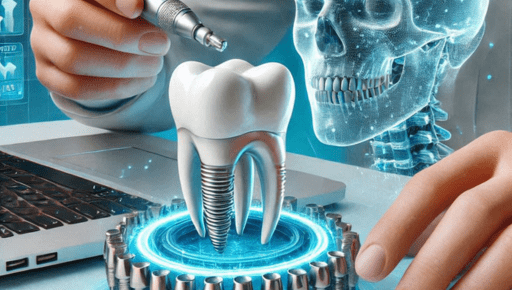
    Digital scanning in dentistry has grown to be common and has increased the rate of dental implants in Brooklyn, NY. Convention techniques of making impressions have been known to involve some complex agents and sequences of processes, in which the patient has to visit the dentist many times in a single technique, forming and altering the fit. Nevertheless, in digital scans, it is common to capture all the necessary information about the structure of the oral cavity during one visit. 

    The scanner takes images with high resolution and the dentist then uses these images to create 3D models of the patient’s mouth. Thanks to the possibility of having immediate access to digital images it takes less time to make further planning, which means that the overall process of the planning procedure is less time-consuming.

    How do the techniques of digital scans improve the effectiveness of dental implants?

    The fact that digital scans are obtained more accurately is one of the main factors why they lead to more accurate dental implants. This is in contrast to traditional impressions where due to issues concerning material shrinkage or patient movement there may be inaccuracies in the impression taken. This eliminates the chances of making wrong measurements, and the doctor ensures that the implant fits perfectly the first time. The digital models also serve the purpose of defining the location of the implant with accuracy subscribing to the inclination of the bone structure of the patient to give the optimum results. 

    How does it help to reduce the number of follow-up appointments to place dental implants through digital scans?

    The use of digital scans is advantageous in that it makes and speeds up the process of the dental implant so that the patient requires fewer visits. Traditional methods often required several visits: There would be at least one room for the impressions; another for the fittings and maybe more for the adjustments. In digital scanning, the process is reduced to a shorter time frame than the traditional methods. The info collected in one scan enables the creation of the implant, and it can even be adjusted only through one fitting. This efficiency is also helpful to patients; because it would cost them less time wasted through office visits and the general form of treatment is made to be more of an easy process.

    How Effective Are Digital Scans to Determine the Cost of Dental Implants?

    Although using digital scans may require someone to invest in the technology at the initial stages, they help one to save costs in the long run. More work efficiency and rapidity mean the mistakes made are fewer and require fewer corrections, which can save considerable amounts of money needed for redo operations or extra sessions. Also, digital scans eliminate the time spent in dental offices and reduce total labor and materials costs. From the patient’s perspective, this translated into less frequent visits to the dentist, shorter duration of treatment, and potentially lower total treatment costs.

    How does this process enhance patient comfort when digital scans are used?

    The digital scans also contribute to patients’ comfort in this dental implant process. Earlier impressions were of high pressure and material that needed to be placed in the mouth for a long duration. However, using digital scanning provides a much faster scanning process and can be done without contact, there are no vile substances to deal with and no pain or discomfort involved. 

    The scanner is comparatively compact, and the overall procedure does not take quite a lot of time so it is rather comfortable for the patient. This not only makes the process more enjoyable but also markedly minimizes the possibility of the patient being anxious hence enhancing the flow of the treatment plan.

    Conclusion

    The use of digital scanning technology has therefore resulted in enhanced efficiency more so when it comes to dental implant procedures. The sophisticated process of digital data acquisition is smoother, and faster than in the previous option, and it is less costly than the traditional method and does not require several appointments. It can therefore be expected that with further development in technology, it will become even more effective and cheaper for patients thus making it easier for dental implant treatment to be offered. The overall outcome is a positive proposition that will benefit practitioners in a way that will enhance the comfort, speed, and results obtained by the patients.

  • How Digital Workflows Are Improving the Accuracy of Crowns and Bridges?

    How Digital Workflows Are Improving the Accuracy of Crowns and Bridges?

    family dentist in Pacific Beach, San Diego
    family dentist in Pacific Beach, San Diego

    Electronic means of management have done a lot to change the processes of functioning of dental offices, including the family dentist in Pacific Beach, San Diego. These novel techniques have introduced great efficiency in the construction of crowns and bridges and the treatments are less time-consuming less invasive and very accurate. This way digital impressions and 3D imaging make impressions much more accurate and free of errors that are potentially present within traditional methods. This leads to better-fitted products and services, fewer corrections, and all-round more efficient treatments for patients. Digitization helps dental professionals increase productivity while maintaining quality results.

    How is 3D Printing Used in Creating Crowns and Bridges?

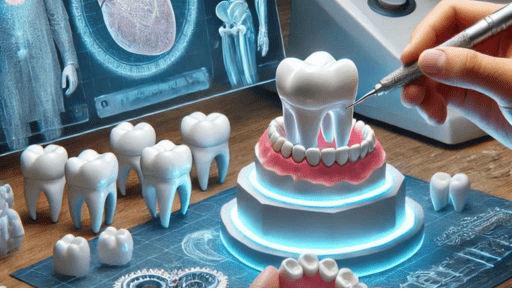
    Today, 3D printing plays a significant role in the fabrication of crowns and bridges in dental laboratories since the parts produced are accurate, strong, and long-lasting. 3D printers use computer-aided design (CAD) and computer-aided manufacturing (CAM) to design intricate models that fit accurately on the patient’s teeth. This technology eliminates most of the drawbacks of traditional fabrication techniques and gives dentists the leverage to create every crown and bridge to fit perfectly. Equally, the patient comfort and the durability of the restoration made through this digital method are improved.

    How do digital impressions enhance workflow performance?

    A digital impression entails the use of technological equipment to make a visual capture of a patient’s teeth and generate real-time and accurate information for the dentists. As opposed to normal impressions that need a mold, quality time is conserved and mistakes due to human error or due to twist of materials are eradicated. While making impressions for crown and bridge, time taken can be reduced through the use of digital impressions hence the first steps. These also enhance the simple and fast transfer of files between the dental office and the lab, as well as analysis hence improving on the fast and accurate results.

    What Benefits Can Be Derived from CAD/CAM Systems?

    CAD/CAM technology plays a vital role in the digital processes of crowns and bridges. These systems enable dental professionals to produce the restorations directly from a CAD design in a sterile manner. CAD/CAM allows the crowns and bridges to be planned in an exemplary manner in terms of shape, color size, and fit. The systems are also extremely fast, and the procedures used in dental offices and laboratories to produce restorations can be completed in a significantly shorter time than with more conventional techniques. The use of CAD/CAM technology has been established as a critical tool in increasing the accuracy and speed of creating dental restorations alongside the aesthetic value of the final results.

    How does digital workflow improve the methods of interaction of dentists with laboratories?

    When it comes to crowns or bridges, work done through digital processes enables dentists and dental laboratories to work well hand in hand. 3D images and scans can be placed into digital files that can be transmitted between the two parties immediately, and then the work done by one of them can be reviewed and revised in real-time. It enables dental labs to come up with better restorations since patient data is available right from the start and it also enables the dentists to make decisions at that instance, which will improve the treatment. One tremendous advantage of using digital tools is that the transitions between patients are smoother as there is no need for re-explanations; it also increases the reliability of treatments.

    Conclusion

    Computer-aided systems have now enhanced the fabrication of crowns and bridges through performance, precision, and interprofessional cooperation. 3D printing, digital impressions, and CAD/CAM technology enable dental professionals to create restorations that are accurate, precise, and definitive. In addition to increased patient comfort, the higher precision of electronic workflows increases efficiency and helps avoid additional adjustments in the process of treatment. Thus, the use of digital technology allows dental practices to raise a new benchmark and achieve better, more durable outcomes for the client.

  • The Impact of Thumb Sucking on Children’s Oral Health

    The Impact of Thumb Sucking on Children’s Oral Health

    As a parent, it’s natural to be concerned about the habits that can affect your child’s oral health. Skilled dental experts offering Columbia pediatric dentistry, understand the impact that thumb sucking can have on children’s teeth and gums. Thumb sucking is a common habit that can seem harmless, but it can lead to a range of problems, from misaligned teeth to changes in the shape of the jaw. 

    In this article, we’ll explore the effects of thumb-sucking on children’s oral health and guide how to help children break the habit.

    Columbia pediatric dentistry
    Columbia pediatric dentistry

    The Prevalence of Thumb Sucking

    Thumb-sucking is a widespread habit among children. According to the American Dental Association (ADA), up to 75% of children suck their thumbs or fingers at some point during their childhood. While most children stop sucking their thumbs on their own by the age of 2-4, some children continue the habit into their teenage years.

    The Effects of Thumb Sucking on Oral Health

    Thumb sucking can have a range of effects on oral health, including:

    • Misaligned Teeth: Thumb sucking can cause the teeth to become misaligned, leading to problems with biting and chewing. This can also affect the appearance of the smile.
    • Changes in Jaw Shape: Thumb sucking can cause the jaw to become misshapen, leading to problems with the bite and the overall alignment of the teeth.
    • Tooth Decay: Thumb sucking can increase the risk of tooth decay, as the constant presence of saliva and bacteria in the mouth can lead to the formation of cavities.
    • Gum Recession: Thumb sucking can cause the gums to recede, exposing the roots of the teeth and increasing the risk of tooth decay and sensitivity.
    • Speech Problems: Thumb sucking can also affect speech, as the constant presence of the thumb in the mouth can interfere with the proper formation of words and sounds.
    • Dental Malocclusion: Thumb sucking can cause dental malocclusion, a condition where the teeth do not fit together properly.
    • Increased Risk of Orthodontic Problems: Thumb sucking can increase the risk of orthodontic problems, such as overbites, underbites, and crossbites.
    • Tooth Wear and Tear: Thumb sucking can cause tooth wear and tear, as the constant pressure of the thumb on the teeth can lead to chipping and cracking.
    • Gingivitis: Thumb sucking can increase the risk of gingivitis, a condition where the gums become inflamed and infected.
    • Dental Work Complications: Thumb sucking can complicate dental work, such as orthodontic treatment, dental fillings, and crowns.

    Why Do Children Suck Their Thumbs?

    Children suck their thumbs for a variety of reasons, including:

    • Self-Soothing: Thumb sucking can be a self-soothing behavior, helping children to relax and calm down.
    • Habit: Thumb sucking can become a deeply ingrained habit, making it difficult for children to stop.
    • Security: Thumb sucking can provide children with a sense of security and comfort.

    How to Help Children Break the Habit?

    Breaking the thumb-sucking habit can be challenging, but several strategies can help. Here are a few tips:

    • Identify Triggers: Identify the situations and emotions that trigger thumb sucking, and develop strategies to avoid or manage them.
    • Offer Alternatives: Offer children alternative self-soothing behaviors, such as sucking on a pacifier or a special toy.
    • Use Positive Reinforcement: Praise and reward children for not sucking their thumbs, using stickers, stars, or other incentives.
    • Make it Fun: Make breaking the habit a fun and engaging process, using games, challenges, and other activities to motivate children.
    • Seek Professional Help: If the habit persists, seek professional help from a pediatric dentist or orthodontist.

    Thumb sucking is a common habit among children, but it can have a significant impact on their oral health. By understanding the effects of thumb sucking on oral health and developing strategies to help children break the habit, parents and caregivers can help children develop healthy oral habits and a beautiful, healthy smile.


  • Podiatry In The Management Of Peripheral Neuropathy

    Podiatry In The Management Of Peripheral Neuropathy

    fractures mission viejo

    Peripheral neuropathy can make every step feel like a challenge. Feet may feel numb, tingly, or even painful. This is where podiatry steps in. A podiatrist plays a crucial role in managing these symptoms. They focus on easing discomfort and preventing complications. Proper foot care reduces the risk of issues like ulcers or fractures. Mission Viejo is one area that offers specialized care, providing relief and support for those affected. It’s about improving quality of life and mobility. fractures mission viejo highlights the importance of accessible treatment options in managing foot health.

    Understanding Peripheral Neuropathy

    Peripheral neuropathy involves damage to the peripheral nerves, which can impact sensation and movement in the feet. This can result from conditions such as diabetes, infections, or physical injuries. Symptoms often include pain, weakness, and numbness, making daily activities difficult.

    The Role of Podiatry

    Podiatrists are specialized healthcare professionals who focus on foot and ankle health. In managing peripheral neuropathy, they offer personalized care plans to help alleviate symptoms and reduce complications. Here are three key ways podiatry can help:

    • Pain Management: Tailored treatment plans that may include medications and therapeutic exercises.
    • Preventive Care: Regular check-ups to identify and address potential foot problems early.
    • Footwear Guidance: Recommendations for appropriate footwear to support foot health and comfort.

    Comparing Treatment Options

    Managing peripheral neuropathy involves a variety of treatment options. Below is a comparison of common approaches:

    Treatment OptionBenefitsConsiderations
    Podiatry CarePersonalized care, emphasis on foot health, preventive strategiesRequires frequent visits
    MedicationsEffective for pain reliefPossible side effects, requires prescription
    Physical TherapyImproves strength and mobilityTime-consuming, requires commitment

    Why Choose Podiatry?

    Podiatry offers a unique focus on foot and ankle health, making it an ideal choice for managing peripheral neuropathy. By addressing the specific needs of the feet, podiatrists can help improve function and reduce pain. They also provide valuable education on maintaining foot health, which is crucial for long-term management.

    The Importance of Early Intervention

    Early intervention is key in managing peripheral neuropathy. Regular visits to a podiatrist can help catch potential problems before they become severe. This proactive approach can prevent complications such as infections or foot deformities.

    Resources and Support

    For those seeking more information, the National Institute of Neurological Disorders and Stroke provides valuable resources on peripheral neuropathy. Additionally, the American Diabetes Association offers guidance for managing nerve damage related to diabetes.

    Conclusion

    Podiatry is an essential component in managing peripheral neuropathy. By focusing on the feet, podiatrists provide targeted care that can greatly improve quality of life. Their expertise not only helps in dealing with current symptoms but also prevents future complications, making every step a little easier and more comfortable.

  • The Allergist’s Guide To Understanding And Managing Contact Dermatitis

    The Allergist’s Guide To Understanding And Managing Contact Dermatitis

    lathrup village infusions

    Understanding and managing contact dermatitis can feel overwhelming. This guide offers clear steps to take control. Contact dermatitis happens when the skin reacts to certain substances. Common signs include redness, itching, and swelling. It’s important to act swiftly to avoid complications. I will explore causes, treatments, and prevention strategies. Some may benefit from treatments like lathrup village infusions. These infusions can support healing and reduce symptoms. Let’s dive into practical ways to ease discomfort and protect your skin.

    What Causes Contact Dermatitis?

    Contact dermatitis occurs when the skin comes into contact with an irritant or allergen. Some common irritants include soaps, detergents, and even certain plants. Allergens like nickel or latex can also trigger reactions. Identifying the culprit is key to managing the condition. Keeping a diary of recent exposures can help pinpoint the source.

    Types of Contact Dermatitis

    There are two main types of contact dermatitis:

    • Irritant Contact Dermatitis: This is more common and occurs when the skin comes into contact with a substance that damages the outer layer.
    • Allergic Contact Dermatitis: This type occurs when the immune system reacts to a substance.

    Understanding the type is crucial for effective management.

    Symptoms to Watch Out For

    Contact dermatitis symptoms can vary but often include:

    • Redness and rash
    • Itching and burning sensation
    • Dry, cracked, or scaly skin
    • Blisters and swelling

    If symptoms persist, it may be time to consult a healthcare professional. They can help create a tailored treatment plan.

    Treatment Options

    There are several ways to treat contact dermatitis. Here are the top methods:

    • Identify and Avoid Triggers: The most effective way to manage symptoms is to avoid exposure to known irritants and allergens.
    • Topical Treatments: Over-the-counter ointments and creams can help reduce inflammation and ease itching.
    • Prescription Medications: Sometimes stronger medications are necessary. Healthcare providers may prescribe corticosteroids or antihistamines.

    For those with persistent cases, Lathrup village infusions may offer relief. Always discuss new treatments with a healthcare professional.

    Prevention Strategies

    Prevention plays a key role in managing contact dermatitis. Consider these tips:

    • Use Protective Gear: Gloves and long sleeves can shield the skin from irritants.
    • Moisturize Regularly: Maintaining skin hydration helps preserve the protective barrier.
    • Read Labels Carefully: Check products for known allergens or irritants.

    Comparison of Treatment Options

    Treatment MethodProsCons
    Identify and Avoid TriggersEffective and preventiveRequires awareness and monitoring
    Topical TreatmentsAccessible and easy to useMay cause skin thinning over time
    Prescription MedicationsStrong and fast-actingPossible side effects

    When to Seek Help

    In some instances, contact dermatitis can become severe. If symptoms worsen or do not improve with basic care, it is important to seek medical advice. A healthcare provider can offer further testing and advanced treatment options. Institutions like the CDC provide valuable information on skin health and safety.

    By following the steps and strategies outlined in this guide, managing contact dermatitis becomes achievable. Remember that understanding triggers and maintaining good skin care practices are essential in keeping flare-ups at bay. For anyone struggling with chronic symptoms, professional guidance can make all the difference.