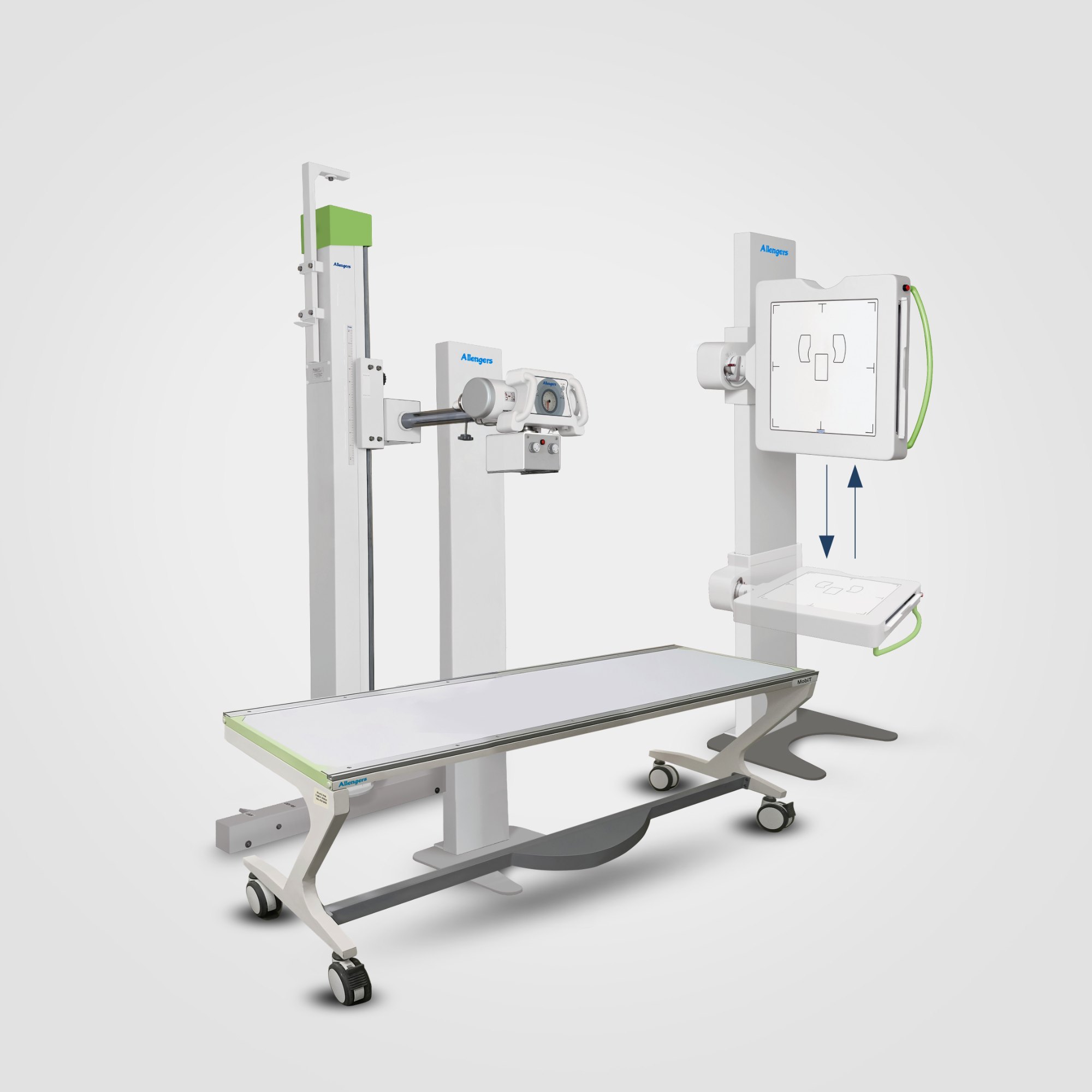
Medical imaging plays an important role in helping doctors diagnose injuries and diseases quickly. As healthcare facilities look for faster and more efficient imaging solutions, digital radiography has become increasingly common. However, both computed radiography and digital radiography continue to serve different clinical needs. Understanding the differences between a CR system, an xray DR system, and a modern DR machine can help healthcare providers make informed decisions.
What Is a CR System?
A CR system, or computed radiography system, uses imaging plates to capture X-ray images. After exposure, the plate is processed through a reader, which converts the stored information into a digital image.
This technology can be useful for facilities that already have conventional X-ray equipment and want to move toward digital imaging without completely replacing their existing setup. However, CR generally requires additional steps because imaging plates need to be handled and processed before the image becomes available.
Understanding an X-Ray DR System
An xray DR system uses a digital detector to capture X-ray images directly. Unlike CR, there is no imaging plate that needs to be removed and processed separately.
The direct image acquisition can make the workflow faster, especially in busy radiology departments. Images can be reviewed almost immediately, allowing radiographers and clinicians to assess whether additional images are required.
How Does a DR Machine Improve Workflow?
A DR machine can simplify several stages of the radiography process. Since images are captured digitally, radiographers can typically review them on a workstation shortly after exposure.
This can help reduce waiting time and support smoother patient movement through the department. In hospitals and diagnostic centres handling a high volume of examinations, efficient image acquisition can make a meaningful difference to daily operations.
CR and DR: Key Differences
The main difference between a CR system and an xray DR system is how the image is captured and processed. CR uses reusable imaging plates, while DR uses digital detectors.
CR can offer flexibility when upgrading older X-ray equipment. DR, on the other hand, can provide a more streamlined workflow and faster image availability. The right choice depends on factors such as patient volume, available infrastructure, budget, room configuration, and the type of examinations performed.
Why Digital Radiography Matters
Modern radiology increasingly depends on fast access to reliable diagnostic images. A well-designed xray DR system can support efficient examinations while reducing unnecessary handling during image acquisition. At the same time, a CR system may remain suitable for facilities that need a gradual transition from traditional radiography.
Conclusion
Selecting between a CR system and an xray DR system should be based on the facility’s clinical requirements, workflow, infrastructure, and long-term goals. While CR can provide a practical pathway toward digital imaging, a DR machine can offer a more direct and efficient acquisition process.
With a strong focus on imaging quality, workflow efficiency, usability, and dependable radiology solutions, an established imaging technology provider helps healthcare facilities modernise their diagnostic capabilities. Its solutions are designed to support radiology professionals with dependable image acquisition and efficient digital workflows across a range of clinical environments.