Category: Fitness

  • How Medical Weight Loss Injections Support Long-Term Health and Wellness

    How Medical Weight Loss Injections Support Long-Term Health and Wellness

    tirzepatide online

    Semaglutide, Tirzepatide, and other medical weight loss injections have changed how we manage obesity and achieve lasting weight loss. These treatments are not only effective in reducing weight but also positively impact long-term wellness and health. Here’s how medical weight-loss injections can improve your overall health.

    1. Sustainable Weight Management

    Weight loss injections help people lose weight and keep it off over time. Semaglutide, Tirzepatide, and other weight loss injections work by improving metabolism and regulating appetite. This can lead to sustainable body weight reduction. Maintaining a healthy weight long-term is important because obesity and its related health conditions pose significant risks.

    2. Improved Cardiometabolic Health

    Weight gain is linked to several cardiometabolic problems, such as high blood pressure, high cholesterol, and type 2 diabetes. Medical weight loss injections can improve blood pressure and cholesterol levels by promoting significant weight loss. For example, Tirzepatide not only aids in weight loss but also enhances insulin sensitivity, making it a good treatment for people with type 2 diabetes.

    3. Enhanced Quality of Life

    Achieving and maintaining a healthy body weight can significantly improve your quality of life. Patients who lose weight through injections often experience better mental health, increased energy, and improved mobility. This can lead to a healthier lifestyle, a reduced risk of depression, and enhanced everyday functioning.

    4. Reduced Risk of Chronic Diseases

    Medical injections for weight management can lower the risk of chronic diseases such as stroke, heart disease, and cancer. These treatments help reduce the health risks associated with obesity by supporting weight loss, improving metabolic health, and lowering body fat.

    5. Support and Monitoring

    Medical weight loss programs provide ongoing support and monitoring to help patients achieve their health goals. Regular follow-ups ensure that the treatment plan is adjusted as needed, helping patients maintain their weight loss.

    Medical weight loss injections not only help people reach their weight loss goals but also improve metabolic health, enhance quality of life, and reduce the risk of chronic diseases.

    This post was written by a professional at Precision Telemed. At Precision Telemed specializes in providing patients with customized and affordable tirzepatide online, Hormone therapy, and Anti-aging treatments. Schedule your virtual tele-health appointment with one of their physicians today!

  • How Personal Trainer Computer Software Can Enhance Your Fitness Business Operations

    How Personal Trainer Computer Software Can Enhance Your Fitness Business Operations

    FitBudd

    The fitness industry is rapidly evolving, and with it, the demands placed on personal trainers to deliver exceptional fitness guidance and manage the operational complexities of running a business. From managing client relationships and tracking progress to handling payments and scheduling, personal trainers must juggle many tasks while focusing on helping their clients achieve their goals.

    This is where personal trainer computer software comes in. Designed specifically for fitness professionals, these software solutions simplify the day-to-day tasks of running a fitness business, enabling trainers to focus more on their clients and less on administrative duties. One of the leading platforms in this field is FitBudd, a comprehensive solution that empowers personal trainers with the tools they need to scale their businesses efficiently. FitBudd offers a custom-branded app on iOS and Android, allowing trainers to manage their clients, streamline operations, and improve client satisfaction.

    In this article, we’ll explore how personal trainer computer software like FitBudd can enhance your fitness business operations and drive business growth.

    Why Personal Trainer Computer Software is Essential for Fitness Businesses

    As a personal trainer, you wear many hats—coach, motivator, business manager, and sometimes even an accountant. Balancing these roles can be overwhelming, mainly as your client base grows. This is where personal trainer computer software becomes essential, providing trainers with a powerful tool to automate and manage their business more effectively.

    Key Reasons Personal Trainers Need Computer Software:

    1. Automation of Administrative Tasks: Manually handling scheduling, payments, and client progress can consume hours of your time. Personal trainer computer software automates these processes, allowing you more time to focus on your core services—coaching and client engagement.
    2. Client Retention: With real-time communication, progress tracking, and personalized workout plans, trainers can keep clients with better results.
    3. Scalability: As your business grows, managing multiple clients, delivering personalized services, and staying organized can become challenging. The right software allows you to scale your business without sacrificing quality or personalization.
    4. Data-Driven Decisions: Personal trainer software provides valuable data insights, helping you understand client behavior, track progress,

    How FitBudd Can Enhance Your Fitness Business Operations

    FitBudd is a leading personal trainer computer software designed to help fitness professionals streamline business operations, manage clients, and deliver personalized services. With its custom-branded app and a wide range of powerful features, FitBudd enables trainers to enhance their client experience and scale their businesses more effectively.

    1. Custom-branded app for iOS and Android

    One of the standout features of FitBudd is the ability to create your custom-branded app. Trainers maintain a professionally customized Apple offer, which allows your clients a seamless and personalized experience.

    Benefits of a Custom-Branded App:

    • Professionalism: A custom-branded app reflects your business’s unique identity, setting you apart from other trainers who may use generic platforms. Clients will see your logo, colors, and design every time they use the app, reinforcing your brand and building trust.
    • Client Engagement: The app serves as a hub for all client interactions. Clients can easily access their workout plans, track progress, and communicate with you, making it more convenient for them to stay engaged with their fitness programs.
    • Seamless Access: Whether your clients use iOS or Android, the app allows them to access their training programs, log their progress, and stay in touch with you, ensuring they have everything they need to succeed right at their fingertips.

    A custom-branded app elevates your professional image and creates a consistent and reliable experience for your clients, increasing their satisfaction and loyalty.

    • Personalized Workout and Nutrition Plans

    Delivering personalized workout and nutrition plans is critical to a successful fitness program. Clients have unique goals, fitness levels, and preferences, and offering tailored programs helps them stay on track and achieve their desired results. FitBudd makes it easy for trainers to create, manage, and deliver customized workout and nutrition plans that adapt to each client’s progress.

    How FitBudd Personalizes Training:

    • Custom Workouts: Trainers can design personalized workout plans for a client’s fitness goals, equipment availability, and schedule. Whether a client is focused on weight loss, muscle gain, or general fitness, FitBudd allows you to craft a program that suits their needs.
    • Nutrition Planning: FitBudd enables trainers to offer personalized nutrition guidance alongside workouts. Clients can log their meals and track their diet, ensuring their nutrition aligns with their fitness goals.
    • Real-Time Adjustments: As clients progress, trainers can easily update their workout and nutrition plans to keep them challenged and engaged. This level of personalization ensures that clients continue to see progress, leading to better retention and satisfaction.

    By offering personalized services through FitBudd, trainers can deliver a more tailored experience that leads to higher client satisfaction and better results.

    • Automated Scheduling and Client Management

    Managing multiple clients manually can be time-consuming, especially when scheduling sessions, tracking client progress, and handling payments. FitBudd simplifies these tasks by offering automated scheduling and client management features, helping trainers stay organized and efficient.

    FitBudd’s Time-Saving Features:

    • Automated Scheduling: FitBudd allows clients to book, reschedule, or cancel sessions directly through the app. Automated reminders ensure that clients never miss a session, while trainers can focus on delivering high-quality coaching.
    • Client Profiles: FitBudd stores detailed client profiles, including fitness goals, workout history, and progress reports. This helps trainers track each client’s journey and provide more personalized services.
    • Progress Tracking: Trainers and clients can track key performance metrics such as workout completion, body measurements, and fitness milestones. This real-time data helps trainers make informed decisions and adjust programs as needed.

    Automating scheduling and client management saves time and makes everything organized and easily accessible.

    • Real-Time Communication and Client Engagement

    Strong client relationships. FitBudd’s real-time communication tools make it easy for trainers to stay connected with their clients, ensuring they receive the support and motivation they need to stay on track.

    Communication Features:

    • In-App Messaging: Trainers can communicate directly with clients via the app, offering feedback, answering questions, and providing motivation. This helps clients feel supported throughout their fitness journey, even if they are training remotely.
    • Push Notifications: FitBudd enables trainers to send automated reminders, progress updates, and motivational messages to clients via push notifications, keeping them engaged and focused on their goals.
    • Progress Reports: Clients receive regular updates on their progress, showing them how far they’ve come and where they need to improve. This visibility helps clients stay accountable and motivated to work towards their goals.

    With FitBudd’s communication tools, trainers can build stronger client relationships, leading to better engagement and higher retention rates.

    • Automated Payments and Subscriptions

    Handling payments manually can be a hassle, especially as your client base grows. FitBudd streamlines the payment process with automated payment processing and flexible pricing options, ensuring that trainers.

    Payment Features:

    • Automated Payments: FitBudd allows trainers to set up recurring payments for one-on-one sessions, group classes, or subscription-based services. This ensures trainers get paid on time without the need for manual invoicing.
    • Flexible Pricing Models: Trainers can offer various payment options, including one-time sessions, monthly subscriptions, or packages. This flexibility allows trainers to cater to different client preferences and increase revenue.
    • In-App Purchases: Trainers can also sell digital products, such as workout guides or fitness programs, directly through the app, creating an additional revenue stream.

    By automating payments and offering flexible pricing models, FitBudd simplifies the financial side of running a fitness business while ensuring consistent cash flow.

    • Data-Driven Insights and Analytics

    You must understand your clients’ progress, engagement levels, and overall business performance to grow your fitness business effectively. FitBudd offers data-driven insights and analytics that help trainers make informed decisions and continuously improve their services.

    Benefits of FitBudd’s Analytics:

    • Client Engagement Metrics: FitBudd tracks how often clients log into the app, complete workouts, and engage with their fitness plans. This data allows trainers to identify clients needing extra motivation or support.
    • Revenue Tracking: Trainers can monitor their earnings across different services, helping them understand which offerings are most profitable and where to improve.
    • Client Retention: Analytics on client retention and engagement help trainers refine their services to ensure long-term satisfaction and loyalty.

    Data-driven insights from FitBudd allow trainers to optimize their programs, improve client results, and grow their businesses more effectively.

    FitBudd Reviews: Success Stories from Fitness Professionals

    Many fitness professionals have successfully scaled their businesses using FitBudd. FitBudd Reviews highlight the platform’s ability to streamline operations, improve client engagement, and boost revenue. Trainers have praised FitBudd for its ease of use, powerful features, and the ability to offer a custom-branded app that enhances their business’s professional image.

    Conclusion: How Personal Trainer Computer Software Can Transform Your Business

    In today’s competitive fitness industry, personal trainer computer software is essential for delivering personalized services, improving client engagement, and scaling your business. FitBudd offers all the tools you need to manage your clients, automate administrative tasks, and provide exceptional services that lead to better client results and long-term growth.

    With positive FitBudd Reviews from trainers worldwide, it’s clear that FitBudd is the ideal solution for personal trainers looking to enhance their business operations and achieve lasting success. Explore FitBudd today and discover how this powerful platform can help you transform your fitness business.

  • The Intersection Of Mental Health And Aesthetics In Med Spa Practice

    The Intersection Of Mental Health And Aesthetics In Med Spa Practice

    weight loss Oklahoma

    The intersection of mental health and aesthetics in med spa practice is a fascinating topic. We’ll cover how these two areas converge to create a holistic approach to wellness. The focus is on understanding how aesthetic treatments can bolster mental health. It resonates with the idea behind weight loss Oklahoma where the emphasis is on comprehensive health, not just physical appearances. We’ll delve into how med spas are transforming from simply being beauty treatment centers into wellness hubs that cater to both mental and physical health.

    Mental Health and Aesthetic Treatments: A Closer Look

    Mental health plays a pivotal role in our overall well-being. When we feel good about ourselves, it reflects in our demeanor. Aesthetic treatments provide a boost to our self-esteem. They help us feel comfortable in our own skin. Med spas are recognizing this value and integrating mental health support into their services.

    Med Spas: More Than Just Beauty Treatments

    Med spas have long been associated with beauty treatments. But today, they have evolved. They are not just about skin treatments or weight loss. Med spas now focus on a holistic view of health. They combine physical aesthetics with mental health support. This approach results in overall wellness. It’s an excellent example of the intersection of mental health and aesthetics.

    Comparison Between Traditional Spas and Med Spas

    Traditional SpasMed Spas
    FocusPhysical relaxation and aesthetic treatmentsA holistic approach to health, combining mental health support with aesthetic treatments
    BenefitsTemporary relaxation and beauty enhancementLasting wellness, enhanced self-esteem, and improved mental health

    This table shows how traditional spas and med spas differ. Traditional spas focus on relaxation and aesthetics. Med spas, on the other hand, focus on a holistic approach. They combine mental health support with aesthetic treatments.

    Conclusion

    The intersection of mental health and aesthetics in med spa practice offers a fresh perspective on wellness. It’s not just about losing weight or getting a facial. It’s about the overall improvement of health. It’s about feeling good inside out. By integrating mental health into their services, med spas show how beauty and wellness can truly go hand in hand.

  • Navigating the Phases of Clinical Trials What Patients Should Know

    Navigating the Phases of Clinical Trials What Patients Should Know

    Embarking on a clinical trial can feel overwhelming, but understanding the different phases can make the journey smoother. Each phase serves a unique purpose, from initial safety assessments to large-scale efficacy studies. Knowing what to expect at each stage can empower patients and help them make informed decisions.

    I’ve spent years researching and writing about clinical trials, and I’ve seen firsthand how crucial it is for patients to grasp these phases. Whether you’re considering joining a trial or just curious about the process, this guide will break down the essentials, making the complex world of clinical trials more approachable. Additionally, incorporating camping stress relief activities can support your overall well-being during the clinical trial process.

    Understanding Clinical Trials

    Clinical trials play a crucial role in medical research. These trials evaluate the effectiveness and safety of new treatments. They consist of several phases, each with its own purpose and method.

    Purpose of Clinical Trials

    Clinical trials aim to find new treatments for diseases. They help determine if a new drug, device, or therapy works better than existing options. Researchers also use trials to discover side effects and optimal dosages.

    Phases of Clinical Trials

    Clinical trials have distinct phases. Each phase builds on the previous one, ensuring safety and efficacy before moving to the next stage.

    • Phase I: Tests safety and dosage with 20-80 participants. Researchers monitor how the human body reacts.
    • Phase II: Involves 100-300 patients. Focuses on effectiveness and further evaluates safety.
    • Phase III: Encompasses 1,000-3,000 patients. Confirms efficacy, monitors side effects, and compares the new treatment to standard treatments.
    • Phase IV: Occurs after FDA approval. Studies long-term effects and gathers additional information on risks and benefits.

    Role of Participants

    Participants provide essential data for clinical trials. They undergo careful monitoring to track reactions and outcomes. Volunteering in a clinical trial contributes to advancing medical knowledge and potential new treatments.

    Regulatory Oversight

    Regulatory bodies like the FDA in the US ensure clinical trials are safe and ethical. These organizations review and approve trial protocols, monitor ongoing studies, and evaluate trial results before approving new treatments.

    Informed Consent

    Informed consent is critical in clinical trials. Patients receive detailed information about the trial, including potential risks and benefits. They voluntarily agree to participate, ensuring they understand what the trial involves.

    Patient Safety

    Patient safety is a priority. Trials include safety measures such as regular health checks and immediate medical attention if adverse effects occur. Ethical guidelines protect participants’ well-being throughout the trial process.

    Preclinical Research

    Preclinical research occurs before clinical trials and involves laboratory and animal studies.

    Purpose and Importance

    Preclinical research aims to identify promising treatments. Scientists test potential therapies to determine safety and biological activity. This phase ensures only viable candidates progress to human trials. Without this rigorous testing, unsafe or ineffective treatments might reach patients.

    Typical Procedures

    Preclinical research uses various procedures, including:

    • In Vitro Studies: Scientists study cells in test tubes to assess the biological activity of a substance.
    • Animal Testing: Researchers test potential treatments on animals to observe effects and gather data on safety and efficacy.
    • Toxicity Testing: Tests evaluate potential toxic effects, ensuring candidate treatments don’t cause harm at intended doses.

    These steps provide the foundation for human trials, determining which treatments warrant further investigation.

    Phase I Trials

    Phase I trials, the initial phase of clinical testing, primarily assess safety and tolerability in humans. These trials follow rigorous preclinical research.

    Objectives and Goals

    The primary objective of Phase I trials is to evaluate the safety of a new treatment. Researchers closely monitor participants for adverse reactions, determining the maximum tolerated dose. Understanding the pharmacokinetics and pharmacodynamics of the treatment helps refine dosage guidelines. For instance, information about how a drug is absorbed, distributed, metabolized, and excreted is collected. Through this data, researchers can ensure the treatment’s further development proceeds safely.

    Eligibility Criteria

    Eligibility criteria in Phase I trials ensure participant safety and accurate data collection. Participants typically include healthy volunteers or patients without alternative treatment options. Common criteria include age, overall health condition, and non-participation in other clinical trials. Specific inclusion and exclusion criteria safeguard against undue risk and enhance the reliability of trial outcomes. Only by meeting these stringent criteria can participants contribute valuable data to the trial.

    Phase II Trials

    Phase II trials focus on evaluating the efficacy and side effects of a treatment in a larger group of participants than Phase I. These trials build on the data from the first phase to determine the treatment’s therapeutic value.

    Focus and Process

    Phase II trials seek to assess a treatment’s effectiveness. Researchers usually divide participants into groups, one group receiving the new treatment and another, a standard treatment or placebo. This phase involves several hundred participants and lasts several months to a few years. Randomized controlled trials, open-label trials, and blinded trials are common methods used. Key objectives include identifying the optimal dose and evaluating short-term side effects. Data collected guides adjustments in treatment protocols and prepares the treatment for larger-scale testing.

    Participant Experience

    Participants in Phase II trials often have the condition the treatment aims to address. Before joining, eligible participants undergo screenings, including medical history reviews and exams, to ensure they meet the criteria. Participants receive detailed instructions about the treatment, possible side effects, and trial duration. Throughout the trials, regular monitoring ensures participant safety and treatment effectiveness. Feedback gathered frequently influences ongoing assessments and modifications in the trial design. Participants’ commitment and adherence to the protocol are crucial for the trial’s success, providing valuable data that inform future phases.

    Phase III Trials

    Phase III trials build on the results from Phase II to confirm a treatment’s efficacy and monitor side effects in a larger population.

    Large-Scale Testing

    In Phase III trials, researchers test treatments with thousands of participants. This large-scale testing aims to provide more comprehensive data on safety and effectiveness. For this phase, researchers use randomized, double-blind, and placebo-controlled methods. These methods help remove bias and provide reliable data.

    Participants receive either the investigational treatment or a placebo. Neither they nor their healthcare providers know which they are receiving. This approach, known as double-blinding, ensures unbiased results. Monitoring involves frequent check-ins, laboratory tests, and assessments to track progress and identify any adverse effects.

    The duration of Phase III trials varies but usually spans several years. During this time, researchers gather extensive data to confirm that the treatment is both safe and effective for a wide range of individuals. Participants’ strict adherence to the trial protocol is crucial for generating significant and reliable data.

    Regulatory Evaluation

    Upon completing Phase III trials, researchers submit the collected data to regulatory agencies such as the FDA in the US. These agencies evaluate the information to determine the treatment’s benefit-risk profile. The scrutiny includes examining all trial data, manufacturing processes, and labeling information.

    Regulatory reviews take considerable time, often months to years, as they involve thorough evaluations. If a treatment demonstrates sufficient safety and efficacy, the agency grants approval for public use. Approved treatments enter the market, where they remain under continuous monitoring to catch any long-term effects or rare adverse reactions that may arise.

    Throughout this phase, the commitment and adherence of participants play a critical role. Their involvement ensures the collection of high-quality data, essential for regulatory review and eventual approval.

    Phase IV Trials

    Phase IV trials, or post-marketing studies, occur after a treatment receives regulatory approval. These trials gather detailed information on the treatment’s risks, benefits, and optimal use in a broader population.

    Post-Market Surveillance

    Post-market surveillance tracks a treatment’s performance in the general population. I assess real-world effectiveness by analyzing data from various healthcare settings. This continuous monitoring helps identify rare or long-term adverse effects that might not show in earlier phases. Healthcare providers play a crucial role, reporting any adverse events to regulatory agencies like the FDA. Enhanced safety measures refine the treatment’s risk-benefit profile.

    Long-Term Monitoring

    Long-term monitoring examines the treatment’s effects over an extended period, often years. This phase scrutinizes chronic side effects and long-term efficacy. Data from long-term studies inform updates to treatment guidelines and labeling. Patients’ ongoing participation provides critical insights, ensuring the treatment’s safety and effectiveness in the long-term. Identifying cumulative or delayed effects ensures comprehensive understanding and supports informed healthcare decisions.

    Challenges and Considerations

    Clinical trials present unique challenges that both researchers and patients must navigate.

    Potential Risks

    Clinical trials pose several risks, including adverse reactions and side effects. Patients might experience medication intolerance; some rare side effects arise only during trials. Treatment efficacy varies, leading to potential health fluctuations. Participation requires comprehensive safety monitoring to manage these risks effectively.

    Ethical Concerns

    Ethical concerns revolve around informed consent and patient autonomy. Clear, transparent communication ensures patients understand trial procedures and risks. Confidentiality of patient data must be maintained. Ethical review boards must oversee trial designs to prioritize patient welfare, ensuring ethical standards are upheld throughout the process.


  • Fitness Dos and Don’ts – Your Guide to Effective Workout Practices

    Fitness Dos and Don’ts – Your Guide to Effective Workout Practices

    When it comes to fitness, there are certain dos and don’ts to keep in mind for optimal results and safety. Here are 25 essential guidelines to follow on your fitness journey:

    1.Do Set Realistic Goals:

    Set achievable fitness goals that are specific, measurable, and time-bound to stay motivated and track your progress.

    2.Don’t Skip Warm-Up:

    Always start your workout with a proper warm-up to prepare your muscles and reduce the risk of injury.

    3.Do Stay Hydrated:

    Drink water before, during, and after your workout to stay hydrated and maintain peak performance.

    4.Don’t Overdo It:

    Avoid overtraining by giving your body enough rest and recovery time between workouts to prevent burnout and injuries.

    5.Do Focus on Form:

    Pay attention to proper form and technique during exercises to maximize effectiveness and reduce the risk of injury.

    6.Don’t Compare Yourself:

    Avoid comparing your progress to others and focus on your own journey to avoid discouragement.

    7.Do Include Variety:

    Incorporate a variety of exercises, including cardio, strength training, and flexibility exercises, to target different muscle groups and prevent boredom.

    8.Don’t Skip Strength Training:

    Include strength training in your workout routine to build muscle, increase metabolism, and improve overall strength and endurance.

    9.Do Listen to Your Body:

    Pay attention to how your body feels and adjust your workout intensity or rest as needed to avoid overexertion and injury.

    10.Don’t Skip Rest Days:

    Schedule regular rest days to allow your muscles to recover and repair, reducing the risk of overuse injuries.

    11.Do Warm Down:

    Cool down after your workout with stretches to improve flexibility, reduce muscle soreness, and promote relaxation.

    12.. Don’t Rely on Supplements:

    Focus on getting nutrients from whole foods rather than relying solely on supplements for optimal health and performance.

    13.Do Prioritize Sleep:

    Pay attention to any signs of pain or discomfort during exercise and stop if necessary to prevent injuries.

    14.Don’t Ignore Pain:

    Pay attention to any signs of pain or discomfort during exercise and stop if necessary to prevent injuries.

    15.. Do Include Cardio:

    Incorporate cardiovascular exercises like running, cycling, or swimming to improve heart health, endurance, and calorie burn.

    16.Don’t Forget to Breathe:

    Remember to breathe properly during exercises to provide oxygen to your muscles and improve performance.

    17.Do Warm-Up Your Muscles:

    Prioritize dynamic warm-up exercises that mimic movements in your workout to prepare your muscles and joints.

    18.Don’t Skip Stretching:

    Include static stretching after your workout to improve flexibility, reduce muscle tightness, and prevent injury.

    19.Do Stay Consistent

    Stick to your workout routine consistently to see progress and achieve your fitness goals.

    20.Don’t Overeat After Exercise:

    Avoid undoing your hard work by overeating after a workout; instead, focus on nutritious post-workout meals and snacks.

    21.Do Cross-Train:

    Incorporate cross-training activities like yoga, Pilates, or hiking to prevent boredom and work different muscle groups.

    22.Don’t Forget to Warm Down:

    Cool down after your workout with gentle movements and stretches to gradually lower your heart rate and prevent dizziness.

    23.. Do Stay Positive:

    Maintain a positive mindset and celebrate your achievements along the way to stay motivated and focused on your goals.

    24.. Don’t Push Through Pain:

    Listen to your body and stop exercising if you experience sharp or persistent pain to prevent further injury.

    25.Do Enjoy Yourself:

    Find activities you enjoy and make fitness a fun and rewarding part of your lifestyle for long-term success and health.

  • Australia’s Top Cardiology Clinics

    Australia’s Top Cardiology Clinics

    Australia is home to several world-class cardiology clinics renowned for their expertise in diagnosing and treating heart conditions. Here are some of the top clinics across the country, offering comprehensive cardiac care and innovative treatments.

    1.Royal Melbourne Hospital Cardiology Department, Melbourne:

    The Royal Melbourne Hospital’s Cardiology Department is a leader in cardiovascular care, providing state-of-the-art diagnostic services and advanced treatments for heart disease.

    2. Sydney Cardiology, Sydney:

    Sydney Cardiology is committed to delivering personalized care for patients with heart conditions, offering a range of services including cardiac testing, interventional procedures, and rehabilitation programs.

    3.Baker Heart and Diabetes Institute, Melbourne:

    The Baker Institute is dedicated to research and education in heart disease and diabetes, with a multidisciplinary team of experts providing clinical care and innovative therapies.

    4.Prince of Wales Hospital Cardiology Department, Sydney:

    Prince of Wales Hospital’s Cardiology Department offers comprehensive care for heart patients, including specialized clinics for arrhythmias, heart failure, and cardiac rehabilitation.

    5.The Heart Centre, Brisbane:

    The Heart Centre in Brisbane is known for its excellence in cardiac care, offering a full range of services from preventive cardiology to complex interventions and surgery.

    6.Royal Prince Alfred Hospital Cardiology Department, Sydney:

    RPA Hospital’s Cardiology Department provides expert care for patients with cardiovascular conditions, including advanced imaging techniques and minimally invasive procedures.

    7.Austin Health Cardiology Department, Melbourne:

    Austin Health’s Cardiology Department is a leading center for heart care, offering cutting-edge treatments for coronary artery disease, heart rhythm disorders, and structural heart conditions.

    8.Fiona Stanley Hospital Cardiology Department, Perth:

    : Fiona Stanley Hospital’s Cardiology Department delivers comprehensive cardiac services, including diagnostic testing, interventional procedures, and cardiac rehabilitation programs.

    9.Westmead Hospital Cardiology Department, Sydney:

    Westmead Hospital’s Cardiology Department is dedicated to providing high-quality care for patients with heart disease, with a focus on research and innovation.

    10.Flinders Medical Centre Cardiology Department, Adelaide:

    Flinders Medical Centre’s Cardiology Department offers a range of services for heart patients, including cardiac catheterization, electrophysiology studies, and cardiac surgery.

    11.John Hunter Hospital Cardiology Department, Newcastle

    John Hunter Hospital’s Cardiology Department provides expert care for patients with heart conditions, including specialized clinics for heart failure and inherited cardiac disorders.

    12.Royal Adelaide Hospital Cardiology Department, Adelaide:

    The Royal Adelaide Hospital’s Cardiology Department offers comprehensive cardiac services, including advanced imaging, electrophysiology studies, and cardiac catheterization.

    13.MonashHeart, Melbourne:

    MonashHeart is a leading cardiac center affiliated with Monash Health, offering a range of services from prevention and diagnosis to treatment and rehabilitation.

    14.The Prince Charles Hospital Cardiology Department, Brisbane:

    The Prince Charles Hospital’s Cardiology Department provides specialized care for patients with heart disease, including advanced cardiac imaging and interventional procedures.

    15.St. Vincent’s Hospital Cardiology Department, Sydney:

    St. Vincent’s Hospital’s Cardiology Department offers comprehensive care for patients with heart conditions, including specialized clinics for complex arrhythmias and structural heart disease.

    16.Royal Perth Hospital Cardiology Department, Perth:

    Royal Perth Hospital’s Cardiology Department is committed to delivering high-quality care for patients with heart disease, including advanced interventional procedures and cardiac rehabilitation programs.

    17.Mater Hospital Cardiology Department, Brisbane:

    Mater Hospital’s Cardiology Department offers a range of services for heart patients, including diagnostic testing, cardiac catheterization, and electrophysiology studies

    18.Royal North Shore Hospital Cardiology Department, Sydney:

    Royal North Shore Hospital’s Cardiology Department provides expert care for patients with heart conditions, including specialized clinics for heart failure and cardiac arrhythmias.

    19.Queensland Cardiology, Gold Coast:

    Queensland Cardiology is dedicated to providing personalized care for patients with heart disease, offering a range of services from preventive cardiology to interventional procedures.

    20.Alfred Health Cardiology Department, Melbourne:

    Alfred Health’s Cardiology Department offers comprehensive cardiac services, including advanced imaging, cardiac catheterization, and structural heart interventions.

    21.Liverpool Hospital Cardiology Department, Sydney:

    Liverpool Hospital’s Cardiology Department provides specialized care for patients with heart conditions, including advanced imaging, electrophysiology studies, and cardiac rehabilitation.

    22.Canberra Hospital Cardiology Department, Canberra:

    Canberra Hospital’s Cardiology Department offers a range of services for heart patients, including diagnostic testing, cardiac catheterization, and specialized clinics for heart failure and arrhythmias.

    23.Gold Coast University Hospital Cardiology Department, Gold Coast:

    Gold Coast University Hospital’s Cardiology Department provides expert care for patients with heart disease, including advanced imaging, interventional procedures, and cardiac surgery.

    24.Nepean Hospital Cardiology Department, Sydney:

    Nepean Hospital’s Cardiology Department offers comprehensive care for patients with heart conditions, including diagnostic testing, cardiac catheterization, and electrophysiology studies.

    25.Sir Charles Gairdner Hospital Cardiology Department, Perth:

    Sir Charles Gairdner Hospital’s Cardiology Department is committed to delivering high-quality care for patients with heart disease, including specialized clinics for heart failure and structural heart disease.

  • India’s Top Cancer Treatment Centers

    India’s Top Cancer Treatment Centers

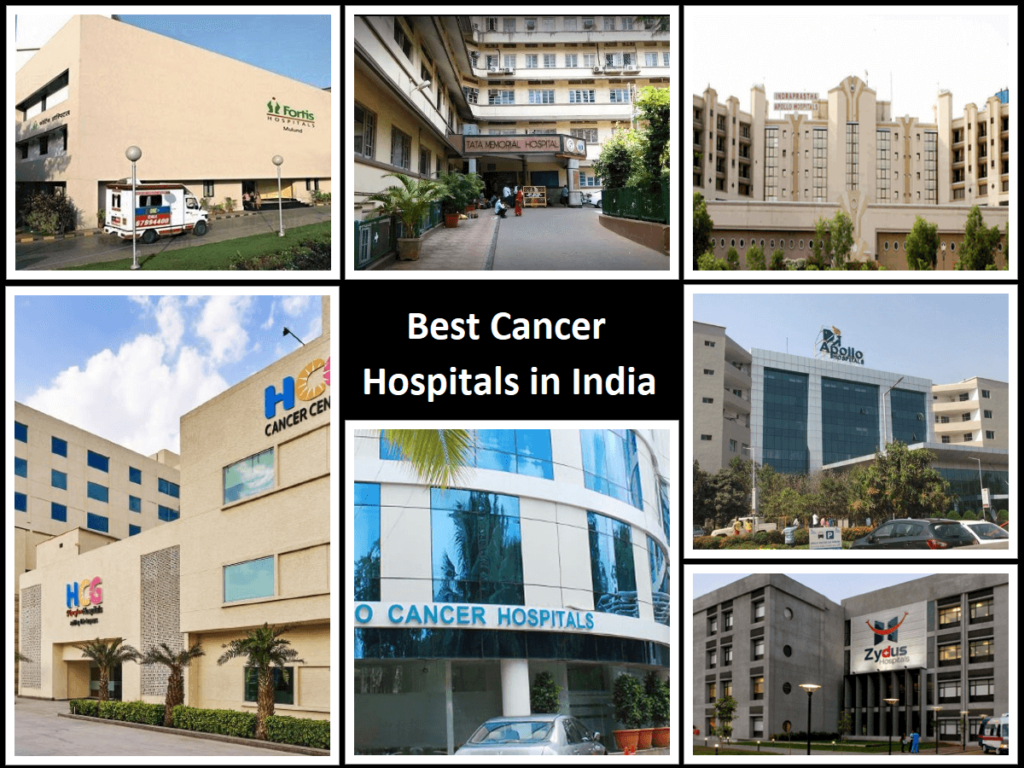
    Cancer is a formidable adversary, affecting millions worldwide each year. In India, the battle against cancer has seen significant strides, thanks to the presence of several world-class treatment centers dedicated to fighting this disease. Here’s a comprehensive list of India’s top cancer treatment centers, renowned for their expertise, technology, and patient care:

    1.Tata Memorial Hospital (TMH), Mumbai:

    Established in 1941, TMH is one of the oldest and most prestigious cancer treatment centers in India. It offers a wide range of specialized services, including radiation therapy, surgical oncology, and chemotherapy.

    2.All India Institute of Medical Sciences (AIIMS), Delhi:

    AIIMS is renowned for its multidisciplinary approach to cancer care, providing state-of-the-art treatment options and conducting cutting-edge research in the field of oncology.

    3.Apollo Hospitals, Chennai:

    Apollo Hospitals is a pioneer in cancer treatment, equipped with advanced technology and a team of experienced oncologists. It offers comprehensive care across various cancer specialties, including breast cancer, lung cancer, and prostate cancer.

    4.Max Healthcare, New Delhi:

    Max Healthcare is known for its personalized approach to cancer treatment, combining the latest medical advancements with compassionate care. Its oncology department offers a wide range of services, from diagnosis to survivorship care.

    5.Christian Medical College (CMC), Vellore:

    CMC Vellore is a renowned center for cancer treatment and research, known for its holistic approach to patient care and innovative treatment modalities.

    6.Rajiv Gandhi Cancer Institute and Research Centre, Delhi:

    RGCI&RC is dedicated to providing comprehensive cancer care, with a focus on affordability and accessibility. It offers a wide range of treatment options, including surgery, chemotherapy, and targeted therapy.

    7.Fortis Memorial Research Institute (FMRI), Gurgaon:

    FMRI is a state-of-the-art facility equipped with the latest technology for cancer diagnosis and treatment. It boasts a team of skilled oncologists and support staff dedicated to providing world-class care.

    8.Adyar Cancer Institute is a leading center for cancer treatment:

    Adyar Cancer Institute is a leading center for cancer treatment in South India, known for its expertise in radiation oncology and pediatric oncology.

    9.Tata Memorial Centre (TMC), Kolkata:

    TMC Kolkata is an extension of the renowned Tata Memorial Hospital in Mumbai, offering high-quality cancer care to patients in Eastern India.

    10.Kidwai Memorial Institute of Oncology, Bangalore:

    Kidwai Memorial Institute is a premier cancer treatment center in Karnataka, offering comprehensive services ranging from early detection to palliative care.

    11.Cancer Institute (WIA), Chennai:

    Established in 1954, the Cancer Institute is one of the oldest cancer treatment centers in India, known for its commitment to excellence in patient care and research.

    12.Regional Cancer Centre (RCC), Thiruvananthapuram:

    RCC Thiruvananthapuram is a government-funded cancer treatment center, catering to patients from Kerala and neighboring states. It offers a wide range of services at affordable rates.

    13.. HCG Cancer Centre, Bangalore:

    HCG Cancer Centre is a leading provider of cancer care in Bangalore, known for its focus on innovation and patient-centered approach.

    14.Manipal Hospitals, Bangalore:

    Manipal Hospitals is a trusted name in healthcare, offering comprehensive cancer care services that encompass prevention, diagnosis, and treatment.

    15.Artemis Hospitals, Gurgaon:

    Artemis Hospitals is equipped with advanced technology and a team of skilled oncologists, providing personalized care to cancer patients.

    16.Kokilaben Dhirubhai Ambani Hospital, Mumbai:

    Kokilaben Dhirubhai Ambani Hospital is known for its world-class infrastructure and expertise in cancer treatment, offering cutting-edge therapies and support services.

    17.Basavatarakam Indo American Cancer Hospital & Research Institute, Hyderabad:

    Founded by the late Nandamuri Taraka Rama Rao, this institute is dedicated to providing affordable cancer care to patients from all walks of life.

    18.Amrita Institute of Medical Sciences (AIMS), Kochi:

    AIMS Kochi is committed to delivering comprehensive cancer care, focusing on early detection, treatment, and rehabilitation.

    19.Cytecare Hospitals, Bangalore:

    Cytecare Hospitals is a dedicated cancer care facility in Bangalore, offering personalized treatment plans and support services to patients and their families.

    20.Medanta – The Medicity, Gurgaon:

    Medanta is a multi-specialty hospital known for its advanced cancer care services, including precision medicine and immunotherapy.

    21.. Cipla Palliative Care & Training Centre, Pune:

    Cipla Palliative Care Centre focuses on improving the quality of life for cancer patients through pain management and emotional support.

    22.Indraprastha Apollo Hospitals, Delhi:

    Indraprastha Apollo Hospitals is equipped with state-of-the-art infrastructure and a team of experienced oncologists, providing comprehensive cancer care services.

    23.. Nanavati Super Speciality Hospital, Mumbai:

    Nanavati Hospital is a renowned name in healthcare, offering advanced cancer treatment options and personalized care to patients.

    24.Bhagwan Mahaveer Cancer Hospital & Research Centre, Jaipur:

    This center is dedicated to providing affordable cancer care to patients in Rajasthan and neighboring states, with a focus on research and education.

    25.Cancer Aid & Research Foundation (CARF), Ahmedabad:

    CARF is a non-profit organization dedicated to supporting cancer patients through financial assistance, counseling, and awareness programs.