Category: Tips

  • 9 Proven Home Remedies for Stress Relief You Can Try Today

    9 Proven Home Remedies for Stress Relief You Can Try Today

    Imagine a busy workday with endless demands and deadlines. Your mind is filled with worries, and your body feels tense. In the United States, over 19% of adults deal with this every day. They face anxiety disorders that hurt their well-being. But what if you could find easy, natural ways to ease this stress and find calm again?

    In this guide, we’ll look at nine home remedies for stress relief. You can add these simple, natural methods to your daily life. From calming breathing exercises to the benefits of physical activity, these techniques can change how you feel. They can help you find the peace of mind you deserve.

    Key Takeaways

    • Discover natural ways to manage stress and anxiety effectively.
    • Learn about the prevalence of anxiety disorders in the United States.
    • Explore a variety of proven home remedies for instant and long-term stress relief.
    • Understand the importance of incorporating a holistic approach to stress management.
    • Gain insights into the physical, mental, and emotional benefits of natural stress relief techniques.

    Understanding Stress and Its Impact on Your Health

    Stress is a normal part of life. But it can harm your body and mind. When you’re stressed, your body makes hormones like cortisol. This can cause stress symptoms and hurt your health.

    Physical Symptoms of Stress

    Stress can make you feel tired, have headaches, and feel muscle tension. It can also change how you eat and sleep. Stress can even lead to serious problems like high blood pressure and heart disease.

    Mental and Emotional Effects

    Stress affects your mind and feelings too. It can make you feel anxious, sad, and irritable. It can also make it hard to focus. Long-term stress can increase your risk of mental health issues like anxiety and depression.

    Why Natural Remedies Matter

    While medicines can help, natural ways to manage stress are better. They help you deal with stress in a lasting way. By making lifestyle changes and using natural remedies, you can feel better without the side effects of drugs.

    Stress SymptomImpact on Health
    HeadachesCan contribute to migraines and tension-type headaches
    Muscle TensionCan lead to chronic pain and musculoskeletal issues
    Sleep DisturbancesCan increase the risk of developing sleep disorders and chronic fatigue
    Anxiety and DepressionCan negatively impact mental health and overall quality of life

    Exercise and Physical Activity as Natural Stress Relievers

    Exercise is a great way to manage stress. It can really help reduce anxiety and make you feel better. High-intensity workouts might even work better than low-intensity ones.

    Many activities can help you relax, like walking, jogging, gardening, or even cleaning. The Department of Health and Human Services says adults should do at least 150 minutes of moderate activity or 75 minutes of vigorous activity each week. They also suggest doing strength training two times a week.

    Exercise does more than just keep you fit. It can make you feel more confident and happy. It can also help with mild depression and anxiety. Plus, it helps people trying to quit smoking by reducing stress and cravings.

    Creating a regular exercise routine and setting SMART goals can really help. Always talk to a doctor before starting a new workout, especially if you’re new to exercise or have health issues.

    Adding exercise to your life can be a great way to handle stress. It helps you feel stronger emotionally and more in control. It also makes you look at life in a more positive way.

    Exercise BenefitEvidence-Based Findings
    Stress ReductionExercise can increase self-confidence, improve mood, relax individuals, and lower symptoms of mild depression and anxiety.
    Emotional ResilienceBuilding emotional strength, having a good social network, and adopting a positive outlook are keys to good stress management.
    Improved EfficiencyPrioritizing work tasks, focusing on what matters most, and accepting limitations can lead to more efficient work processes.

    Mind-Body Techniques for Instant Calm

    Mind-body techniques are great for stress relief. They include deep breathing, meditation, and mindfulness. These methods help both your body and mind, offering a complete solution for well-being.

    Deep Breathing Exercises

    Deep breathing is easy and effective. It lowers your heart rate and blood pressure. It also relaxes your muscles. Try different breathing patterns to find what works for you.

    Progressive Muscle Relaxation

    This technique involves tensing and relaxing muscles. It helps you feel tension and release it. Start with your toes and move up, letting each muscle relax fully.

    Meditation and Mindfulness Practices

    Mindfulness and meditation bring calm and awareness. They can be through guided imagery or focusing on your breath. Find what works best for you and enjoy the peace it brings.

    Being consistent is important with these techniques. They get better with practice. Start small, be patient, and enjoy the journey to better mind-body balance and meditation for stress relief.

    Natural Supplements and Herbal Remedies for Stress Management

    Natural supplements and herbal remedies can help with stress. They offer gentle, plant-based solutions for your mind and body. This can be especially helpful when you’re feeling tense.

    Chamomile tea is a promising natural supplement. Studies suggest it can change cortisol levels, the stress hormone. Drinking a warm cup of chamomile tea can bring comfort and calm to your day.

    CBD oil is also getting attention for stress relief. Many people find it helps with anxiety. But always talk to your doctor before trying CBD, as it can affect other medicines.

    • Lavender and lemon balm teas are known for their calming effects.
    • Passionflower and kava are herbs studied for stress relief.

    Always check with your doctor before trying new herbal remedies or supplements. They can interact with your current medicines. A doctor’s advice ensures you use these solutions safely and effectively.

    9 Proven Home Remedies for Stress Relief You Can Try Today

    Stress can harm your body and mind. But there are many home remedies for stress to help. These methods can be part of your daily life to manage stress and live better.

    Quick Relief Methods

    For fast stress relief techniques, try these easy options:

    • Deep Breathing Exercises: Slow, deep breaths calm your mind and body. They lower stress hormones and help you relax.
    • Aromatherapy: Essential oils like lavender, chamomile, or bergamot can soothe you. They help ease anxiety.
    • Laughter and Humor: Laughing, whether at a funny video or with loved ones, is a great stress relief.

    Long-Term Stress Management Solutions

    For lasting home remedies for stress, try these lifestyle changes:

    1. Regular Exercise: Exercise releases happy hormones, boosts mood, and manages stress. Aim for 30 minutes daily.
    2. Mindfulness and Meditation: Mindfulness meditation improves emotional control and reduces stress’s negative effects.
    3. Journaling and Self-Reflection: Writing down your thoughts and feelings is a healthy stress outlet. It promotes self-awareness.

    Creating a Stress-Relief Routine

    Managing stress well means having a personal stress relief routine. Try different home remedies for stress to find what works best for you. Remember, your mental health is as important as your physical health.

    Conclusion

    Adding a stress relief plan with the most appropriate home remedy for stress that works for you to your daily life is key for a healthy mind and body. Try deep breathing, meditation, and eating well to see what works for you. Remember, stress relief is a personal journey of self-care and discovery.

    Looking for quick fixes or long-term solutions? Natural remedies can help you take back control of your well-being. Use home remedies and natural stress management to live a more balanced life.

    If stress is constant and affects your daily life, see a healthcare professional. They can offer personalized advice and support. By focusing on your mental and physical health, you can face life’s challenges more easily.

    FAQ

    What are some effective home remedies for stress relief?

    Home remedies for stress include exercise and meditation. Aromatherapy, journaling, and time management also help. Spending time with pets and laughing can reduce stress. So can being social and learning to be assertive.

    How can exercise help reduce anxiety and stress?

    Exercise, like walking or jogging, can lower anxiety. Activities like gardening and cleaning also help. High-intensity workouts are often more effective than gentle ones.

    What mind-body techniques can help with stress relief?

    Techniques like deep breathing and progressive muscle relaxation help. Meditation and mindfulness also reduce tension. They promote calmness.

    Can natural supplements and herbal remedies help with stress management?

    Some natural supplements, like chamomile tea and CBD oil, may help. But more research is needed. Always talk to a doctor before trying them.

    How can I create a personalized stress-relief routine?

    Mix quick relief methods with long-term solutions. Try exercise, meditation, and journaling. Spending time with loved ones or pets also helps. Find what works best for you.

    What are the physical and mental effects of stress?

    Stress can cause nervousness and tension. It can also lead to a racing heart and chest pain. Mentally, it can cause anxiety and depression. Natural remedies are key to managing stress.

    How prevalent are anxiety disorders in the United States?

    About 19% of adults in the U.S. have anxiety disorders each year. This shows the need for effective stress relief, including natural remedies.

    For a variety of content focused on natural and herbal remedies for various healthcare concerns, please visit: Pure Remedy Solutions

    Tags: home remedies for stress relief, home remedies for stress headaches, Pure Remedy Solutions, home remedy for stress, natural remedies for stress relief
  • Daily Habits for Brighter, Stronger Teeth – Enhancing Your Dental Health

    Daily Habits for Brighter, Stronger Teeth – Enhancing Your Dental Health

    Maintaining good oral hygiene is crucial for achieving brighter, stronger teeth. Here are 25 daily habits you can incorporate into your routine to promote optimal dental health and a radiant smile:

    1.Brush Twice a Day:

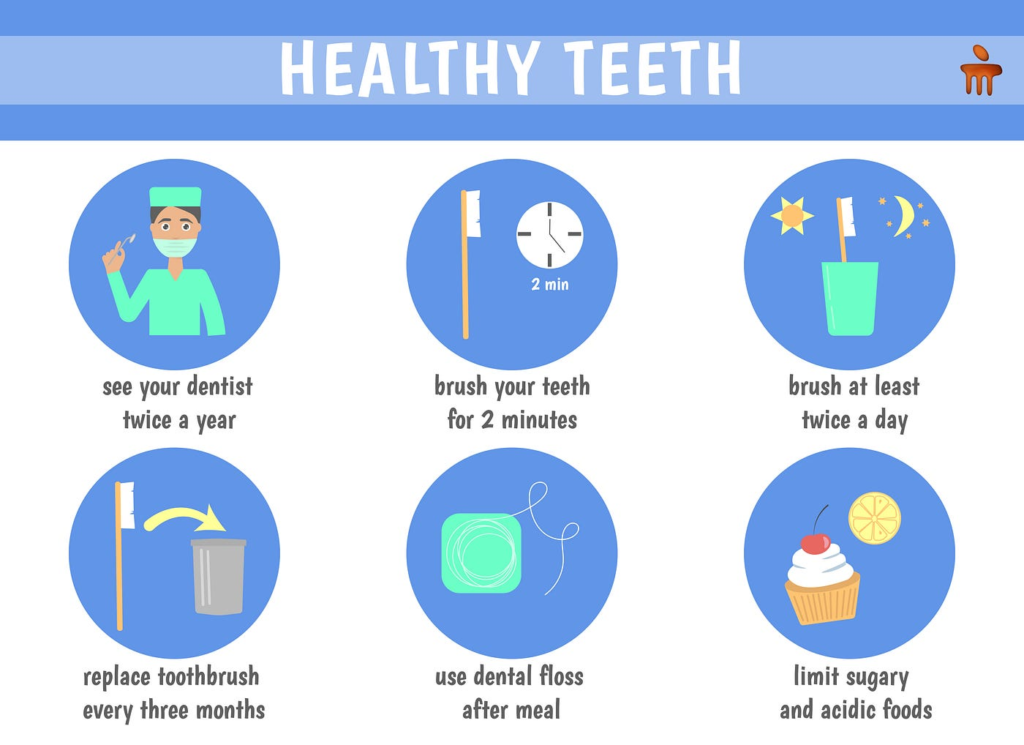
    Brush your teeth with fluoride toothpaste for at least two minutes in the morning and before bedtime to remove plaque and prevent cavities.

    2.Floss Daily:

    Clean between your teeth with dental floss or interdental brushes to remove food particles and plaque buildup that your toothbrush can’t reach.

    3.Use Mouthwash:

    Rinse with an antibacterial mouthwash after brushing and flossing to kill bacteria, freshen breath, and maintain oral hygiene.

    4.Drink Water:

    Stay hydrated throughout the day by drinking plenty of water, which helps wash away food particles and neutralize acids that can cause tooth decay.

    5.Limit Sugary Foods:

    Minimize consumption of sugary snacks and beverages, as they can contribute to tooth decay and enamel erosion.

    6.Eat a Balanced Diet:

    Include plenty of fruits, vegetables, lean proteins, and dairy products in your diet to provide essential nutrients for strong teeth and gums.

    7.Chew Sugar-Free Gum:

    Chew sugar-free gum after meals to stimulate saliva production, which helps wash away food debris and neutralize acids.

    8.Avoid Tobacco Products:

    Quit smoking and avoid using tobacco products, as they can stain teeth, promote gum disease, and increase the risk of oral cancer.

    9.Wear a Mouthguard:

    Wear a mouthguard during sports and recreational activities to protect your teeth from injury and trauma.

    10.Schedule Regular Dental Check-ups:

    Visit your dentist for regular check-ups and cleanings every six months to detect and prevent dental problems early.

    11.Replace Your Toothbrush Regularly:

    Replace your toothbrush every three to four months or sooner if the bristles are frayed to maintain effective cleaning.

    12.Clean Your Tongue:

    Use a tongue scraper or your toothbrush to gently clean your tongue and remove bacteria that can cause bad breath and oral infections.

    13.Avoid Chewing Ice:

    Refrain from chewing on hard objects like ice cubes or hard candy, as it can chip or crack your teeth.

    14.Practice Proper Technique:

    Use a soft-bristled toothbrush and gentle, circular motions to avoid damaging your gums and tooth enamel while brushing.

    15.Protect Your Enamel:

    Limit consumption of acidic foods and beverages like citrus fruits and sodas, as they can weaken tooth enamel over time.

    16.Rinse Your Mouth After Eating:

    Swish water around your mouth after consuming acidic or sugary foods to help neutralize acids and wash away debris.

    17.Use a Straw:

    Drink acidic or sugary beverages through a straw to minimize contact with your teeth and reduce the risk of enamel erosion.

    18.Don’t Brush Immediately After Eating:

    Wait at least 30 minutes after eating before brushing your teeth to allow saliva to neutralize acids and protect enamel.

    19.Practice Stress Management:

    Manage stress through relaxation techniques like deep breathing, meditation, or yoga, as stress can contribute to teeth grinding and jaw clenching.

    20.Avoid Nail Biting:

    Break the habit of nail biting, as it can chip or crack your teeth and lead to jaw problems.

    21.Maintain Good Posture:

    Sit or stand up straight to avoid putting unnecessary pressure on your jaw joints and muscles, which can lead to temporomandibular joint (TMJ) disorders.

    22.Sleep Well:

    Get enough quality sleep each night to allow your body to repair and regenerate tissues, including your teeth and gums.

    23.Use a Night Guard:

    Wear a night guard if you grind or clench your teeth during sleep to protect your teeth from wear and tear.

    24.Stay Informed:

    Stay updated on proper oral hygiene practices and dental care tips by consulting with your dentist or reading reliable sources.

    25.Be Consistent:

    Make dental care a priority and stick to your daily oral hygiene routine consistently to maintain brighter, stronger teeth and overall oral health.

  • Fitness Dos and Don’ts – Your Guide to Effective Workout Practices

    Fitness Dos and Don’ts – Your Guide to Effective Workout Practices

    When it comes to fitness, there are certain dos and don’ts to keep in mind for optimal results and safety. Here are 25 essential guidelines to follow on your fitness journey:

    1.Do Set Realistic Goals:

    Set achievable fitness goals that are specific, measurable, and time-bound to stay motivated and track your progress.

    2.Don’t Skip Warm-Up:

    Always start your workout with a proper warm-up to prepare your muscles and reduce the risk of injury.

    3.Do Stay Hydrated:

    Drink water before, during, and after your workout to stay hydrated and maintain peak performance.

    4.Don’t Overdo It:

    Avoid overtraining by giving your body enough rest and recovery time between workouts to prevent burnout and injuries.

    5.Do Focus on Form:

    Pay attention to proper form and technique during exercises to maximize effectiveness and reduce the risk of injury.

    6.Don’t Compare Yourself:

    Avoid comparing your progress to others and focus on your own journey to avoid discouragement.

    7.Do Include Variety:

    Incorporate a variety of exercises, including cardio, strength training, and flexibility exercises, to target different muscle groups and prevent boredom.

    8.Don’t Skip Strength Training:

    Include strength training in your workout routine to build muscle, increase metabolism, and improve overall strength and endurance.

    9.Do Listen to Your Body:

    Pay attention to how your body feels and adjust your workout intensity or rest as needed to avoid overexertion and injury.

    10.Don’t Skip Rest Days:

    Schedule regular rest days to allow your muscles to recover and repair, reducing the risk of overuse injuries.

    11.Do Warm Down:

    Cool down after your workout with stretches to improve flexibility, reduce muscle soreness, and promote relaxation.

    12.. Don’t Rely on Supplements:

    Focus on getting nutrients from whole foods rather than relying solely on supplements for optimal health and performance.

    13.Do Prioritize Sleep:

    Pay attention to any signs of pain or discomfort during exercise and stop if necessary to prevent injuries.

    14.Don’t Ignore Pain:

    Pay attention to any signs of pain or discomfort during exercise and stop if necessary to prevent injuries.

    15.. Do Include Cardio:

    Incorporate cardiovascular exercises like running, cycling, or swimming to improve heart health, endurance, and calorie burn.

    16.Don’t Forget to Breathe:

    Remember to breathe properly during exercises to provide oxygen to your muscles and improve performance.

    17.Do Warm-Up Your Muscles:

    Prioritize dynamic warm-up exercises that mimic movements in your workout to prepare your muscles and joints.

    18.Don’t Skip Stretching:

    Include static stretching after your workout to improve flexibility, reduce muscle tightness, and prevent injury.

    19.Do Stay Consistent

    Stick to your workout routine consistently to see progress and achieve your fitness goals.

    20.Don’t Overeat After Exercise:

    Avoid undoing your hard work by overeating after a workout; instead, focus on nutritious post-workout meals and snacks.

    21.Do Cross-Train:

    Incorporate cross-training activities like yoga, Pilates, or hiking to prevent boredom and work different muscle groups.

    22.Don’t Forget to Warm Down:

    Cool down after your workout with gentle movements and stretches to gradually lower your heart rate and prevent dizziness.

    23.. Do Stay Positive:

    Maintain a positive mindset and celebrate your achievements along the way to stay motivated and focused on your goals.

    24.. Don’t Push Through Pain:

    Listen to your body and stop exercising if you experience sharp or persistent pain to prevent further injury.

    25.Do Enjoy Yourself:

    Find activities you enjoy and make fitness a fun and rewarding part of your lifestyle for long-term success and health.

  • Hair Care Essentials – Your Guide to Beautiful and Healthy Hair

    Hair Care Essentials – Your Guide to Beautiful and Healthy Hair

    Maintaining healthy and beautiful hair requires a consistent hair care routine. Here are 25 hair care essentials to help you achieve luscious locks:

    1.Shampoo:

    Start with a gentle shampoo to cleanse your scalp and remove dirt, oil, and product buildup.

    2.Conditioner:

    Follow up with a nourishing conditioner to hydrate and soften your hair, focusing on the ends.

    3.Deep Conditioner:

    Use a deep conditioner once a week to moisturize and repair damaged hair, leaving it silky smooth.

    4.Leave-In Conditioner:

    Apply a leave-in conditioner to detangle, moisturize, and protect your hair from heat damage.

    5.Hair Oil:

    Add shine and moisture to your hair with a lightweight hair oil, focusing on the mid-lengths and ends.

    6.Hair Mask:

    Treat your hair to a weekly hair mask to nourish, strengthen, and repair damaged strands.

    7.Scalp Scrub

    Exfoliate your scalp once a week to remove dead skin cells and product buildup, promoting a healthy scalp environment.

    8.Hair Serum:

    Smooth frizz and add shine to your hair with a hair serum enriched with vitamins and antioxidants.

    9.Heat Protectant:

    Shield your hair from heat damage by applying a heat protectant spray or cream before using heat styling tools.

    10.Wide-Tooth Comb:

    Detangle your hair gently with a wide-tooth comb to prevent breakage and damage.

    11.Hair Brush:

    Choose a hair brush suitable for your hair type to distribute natural oils and stimulate the scalp.

    12.Microfiber Towel:

    Pat your hair dry with a microfiber towel to minimize frizz and reduce damage compared to regular towels.

    13.Silk Pillowcase:

    Sleep on a silk pillowcase to prevent friction and breakage, keeping your hair smooth and tangle-free.

    14.Hair Elastic:

    Use a hair elastic without metal to avoid snagging and breakage, especially when tying your hair up.

    15.Dry Shampoo:

    Refresh your hair between washes with a dry shampoo to absorb excess oil and add volume.

    16.Hair Vitamins:

    Support healthy hair growth with supplements containing biotin, vitamins, and minerals essential for hair health.

    17.Protein Treatment:

    Strengthen and fortify your hair with a protein treatment to repair damage and prevent breakage.

    18.Clarifying Shampoo:

    Use a clarifying shampoo once a month to remove product buildup and impurities from your hair.

    19.UV Protection:

    Protect your hair from sun damage by wearing a hat or applying a UV-protectant hair product.

    20.Hair Trimmer:

    Trim your hair regularly to prevent split ends and maintain healthy hair growth.

    21.DIY Hair Mask:

    Create a DIY hair mask using natural ingredients like avocado, honey, and coconut oil to nourish and hydrate your hair.

    22.Hair Styling Tools:

    Invest in high-quality hair styling tools such as a blow dryer, flat iron, and curling wand to achieve your desired hairstyles without causing damage.

    23.Regular Trims:

    Schedule regular hair trims every 6-8 weeks to remove split ends and maintain your hair’s shape and health.

    24.Hydration:

    Drink plenty of water and maintain a balanced diet rich in vitamins, minerals, and proteins to promote healthy hair from the inside out.

    25.Stress Management:

    Manage stress levels through relaxation techniques like meditation, yoga, or deep breathing exercises to prevent hair loss and maintain overall hair health.