Author: Admin

  • Genitourinary Reconstruction: A Urologist’s Perspective

    Genitourinary Reconstruction: A Urologist’s Perspective

    David B Samadi, MD

    Genitourinary reconstruction can feel overwhelming, but it’s crucial. This field focuses on restoring normal function and appearance to the urinary and reproductive systems. Urologists see the challenges and successes of these procedures daily. Take, for instance, the work of David B Samadi, MD, who has advanced techniques in this area. Through careful planning and skilled execution, we aim to improve quality of life. Understanding the essentials of this complex process can empower those facing it.

    What Is Genitourinary Reconstruction?

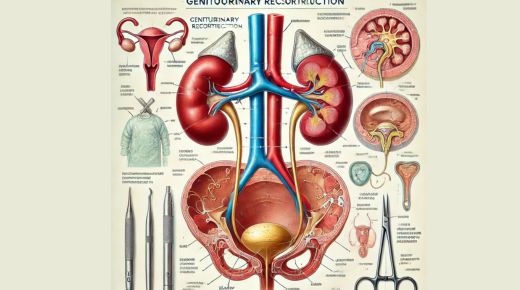
    Genitourinary reconstruction involves surgical procedures that repair or reconstruct parts of the urinary and reproductive systems. These surgeries may result from congenital anomalies, trauma, or diseases like cancer. The purpose is to restore both function and appearance, helping individuals lead healthier lives.

    Common Procedures in Genitourinary Reconstruction

    • Bladder reconstruction: Rebuilding or reshaping the bladder to restore function.
    • Urethral reconstruction: Repairing or reconstructing the urethra for proper urine flow.
    • Genital reconstruction: Restoring or reconstructing parts of the genital area for function and appearance.

    Benefits of Genitourinary Reconstruction

    These procedures can offer significant benefits:

    • Improved quality of life.
    • Enhanced physical function.
    • Boosted emotional and psychological well-being.

    For more information on the impact of these surgeries, you can visit the National Institute of Diabetes and Digestive and Kidney Diseases.

    Challenges in Genitourinary Reconstruction

    While these surgeries can be life-changing, they also come with challenges:

    • Complexity of surgery: These procedures require skilled surgeons and careful planning.
    • Recovery time: Rebuilding parts of the genitourinary tract often involves significant recovery.
    • Potential complications: Like any surgery, there are risks of infection and other complications.

    Advancements in Surgical Techniques

    Recent advancements have improved outcomes for patients. Robotic-assisted surgeries, for instance, provide greater precision. This can lead to quicker recovery and fewer complications. These technologies represent a step forward in the field, enhancing our ability to restore function effectively.

    Success Rates and Outcomes

    Success in genitourinary reconstruction varies depending on the procedure and patient circumstances. However, statistics show promising outcomes:

    ProcedureSuccess Rate
    Bladder Reconstruction80-90%
    Urethral Reconstruction85-95%
    Genital Reconstruction75-85%

    For more detailed statistics, consider reviewing resources from the Centers for Disease Control and Prevention.

    The Future of Genitourinary Reconstruction

    The future of genitourinary reconstruction looks promising. With ongoing research and technological advancements, the hope is to make these procedures even more effective and less invasive. Continued collaboration among medical professionals will help refine techniques and improve patient outcomes.

    Conclusion

    Genitourinary reconstruction is a vital field that can significantly enhance patients’ lives. By understanding the procedures, challenges, and advancements, we can better appreciate the positive impact these surgeries can have. The ongoing work by experts in the field continues to push the boundaries, offering hope to those who need it most.


  • Stress and Heart Disease: A Cardiologist’s Insight

    Stress and Heart Disease: A Cardiologist’s Insight

    chest pain Port Saint Lucie

    Stress affects the heart in many ways. It can cause high blood pressure, irregular heartbeats, and even heart attacks. Often, stress is linked to chest pain Port Saint Lucie residents experience. Understanding this connection is vital. By managing stress, heart disease risk can be reduced. This blog explores how stress impacts the heart and what can be done to protect it.

    How Stress Impacts the Heart

    When the body faces stress, it triggers a response. This response releases hormones like adrenaline. Such hormones increase heart rate and blood pressure. Over time, this can harm the heart. High blood pressure can lead to artery damage. Damaged arteries can result in heart disease. Stress also affects the blood flow to the heart. Reduced blood flow may cause chest pain.

    Recognizing Stress-Induced Symptoms

    Identifying stress-related heart symptoms is crucial. Knowing when stress affects the heart can prevent further issues. Some common signs include:

    • Quick heartbeat
    • Shortness of breath
    • Chest pain

    These symptoms might seem mild but should not be ignored. If they persist, seeking medical advice is important.

    Stress and Heart Disease in Numbers

    Research offers insights into how stress affects heart health. Below is a table showing the link between stress levels and heart disease risk:

    Stress LevelHeart Disease Risk
    Low10%
    Moderate30%
    High50%

    Data shows that higher stress levels increase the risk of heart disease. Managing stress effectively can lower these risks.

    Strategies to Manage Stress

    Reducing stress is essential for heart health. Here are three simple strategies:

    • Exercise Regularly: Physical activity reduces stress. It releases endorphins, improving mood.
    • Practice Relaxation: Techniques like deep breathing or meditation calm the mind. They also lower blood pressure.
    • Maintain Social Connections: Spending time with loved ones can provide emotional support. It helps manage stress better.

    Incorporating these habits into daily life can make a big difference.

    Professional Help and Resources

    Sometimes, professional help is necessary. Therapy or counseling can aid in managing stress. Health professionals offer guidance and support.

    Many resources are available for those seeking help. The Centers for Disease Control and Prevention provides information on heart disease and stress. The National Heart, Lung, and Blood Institute also offers resources on heart health.

    Conclusion

    Stress is a part of life but controlling it is key. By understanding the link between stress and heart disease, steps can be taken to protect heart health. Whether through personal strategies or professional help, managing stress is crucial. It not only improves quality of life but also reduces the risk of heart issues. Taking action today can lead to a healthier tomorrow.

  • Correcting Misalignment With Cosmetic Dentistry

    Correcting Misalignment With Cosmetic Dentistry

    midtown east family dentistry

    Misaligned teeth can affect both the look and function of your smile. Cosmetic dentistry offers effective ways to correct these misalignments. At midtown east family dentistry, dentists provide personalized plans to align your teeth, boosting confidence and oral health. This blog will explore the methods available, their benefits, and how they can help create a more harmonious smile.

    Understanding Misalignment

    Misalignment can result from various factors. These include genetics, thumb-sucking in childhood, or even injuries. The consequences are not just cosmetic. Misaligned teeth can lead to difficulties in chewing, speech problems, and increased wear on tooth enamel. In the long term, this can cause jaw pain or even gum disease.

    Cosmetic Dentistry Solutions

    Cosmetic dentistry offers several techniques to correct misalignment:

    • Braces: Metal or ceramic brackets that gradually move teeth.
    • Invisalign: Clear, removable aligners that are less noticeable.
    • Veneers: Thin shells placed on the front of teeth for quick aesthetic fixes.

    Each option has its own set of benefits. Braces are effective for complex cases. Invisalign offers comfort and aesthetics. Veneers provide a fast solution for minor misalignments.

    Comparing Treatment Options

    OptionVisibilityComfortCostTime
    BracesHighModerateModerate1-3 years
    InvisalignLowHighHigh6-18 months
    VeneersLowHighHighFew weeks

    Benefits of Cosmetic Dentistry

    Correcting misalignment carries several benefits:

    1. Improved oral health: Straight teeth are easier to clean.
    2. Better function: Proper alignment aids in chewing and speaking.
    3. Enhanced appearance: A straight smile boosts confidence.

    Choosing the Right Option

    Deciding on the best option depends on personal needs and goals. A thorough consultation with a dental professional is essential. They will evaluate your case and suggest the most suitable treatment. This ensures that the chosen method aligns with both cosmetic desires and functional needs.

    Consulting with a licensed dentist, like those at the National Institute of Dental and Craniofacial Research, can provide reliable advice. It’s important to remember, that a well-informed choice leads to better outcomes.

    The Role of Maintenance

    After correcting misalignment, maintaining results is key. Routine care is more effective after treatment. This includes regular check-ups and good oral hygiene. Brushing twice daily and flossing helps keep teeth in place. A retainer may also be necessary to prevent teeth from shifting back.

    The American Dental Association provides guidance on oral care practices that can help maintain dental improvements. Staying committed to these practices ensures long-lasting benefits.

    Conclusion

    Cosmetic dentistry offers reliable solutions for misaligned teeth. Whether opting for braces, Invisalign, or veneers, each method has distinct advantages. By understanding the options and benefits, making an informed decision becomes easier. Remember, a straight smile is not just about looks. It’s about overall well-being and quality of life. Choose wisely and enjoy the journey to a healthier, more confident you.

  • How Dermatologists Aid In Sunburn Treatment And Aftercare

    How Dermatologists Aid In Sunburn Treatment And Aftercare

    Sunburns are not just a summer issue. They can happen year-round, causing pain and long-term skin damage. Dermatologists, like Dr. William T. Long, plays a crucial role in treating sunburns and guiding aftercare. Their expertise can help prevent complications and promote healing. Understanding how dermatologists assist in these areas can lead to better skin health and protection against future damage.

    Understanding Sunburn

    Sunburn occurs when skin is overexposed to ultraviolet (UV) rays. This exposure damages the DNA in our skin cells, leading to inflammation and redness. While mild sunburns may heal on their own, severe cases can cause blisters and require medical attention. Repeated sunburns increase the risk of skin cancer and accelerate aging.

    Role of Dermatologists in Sunburn Treatment

    Dermatologists provide expert care for sunburns, focusing on reducing pain and preventing further damage. They might recommend treatments such as:

    • Corticosteroid Creams: These reduce inflammation and pain. They are applied directly to affected areas.
    • Moisturizers: Using creams helps hydrate the skin and prevent peeling. Dermatologists often suggest those with soothing ingredients like aloe vera.
    • Oral Pain Relievers: Non-prescription pain relief, like ibuprofen, can help reduce discomfort.

    Aftercare Advice from Dermatologists

    Proper aftercare ensures the skin heals well and reduces the risk of future sunburns. Dermatologists often recommend the following:

    1. Hydration: Drink plenty of water to help the body repair damaged skin.
    2. Protection: Wear protective clothing and use sunscreens with an SPF of 30 or higher.
    3. Avoid the Sun: Stay in the shade during peak sun hours, usually from 10 a.m. to 4 p.m.

    Common Treatments and Home Remedies

    In addition to professional care, simple home remedies can also aid recovery. Common suggestions include cool baths to reduce heat in the skin and applying cold compresses to minimize swelling. However, for severe sunburns, it’s crucial to seek professional medical advice.

    Comparing Sunburn Treatments

    TreatmentEffectsAvailability
    Corticosteroid CreamsReduces inflammationPrescription
    MoisturizersHydrates and soothes skinOver-the-counter
    Oral Pain RelieversRelieves painOver-the-counter

    Long-term Skin Health

    Beyond treating sunburns, dermatologists emphasize the importance of long-term skin health. Regular skin checks can help detect early signs of skin damage or cancer. According to the National Cancer Institute, early detection is vital in managing skin cancer risks.

    Preventive Measures

    Prevention is better than cure. Regular use of sunscreen, wearing hats, and seeking shade can protect the skin year-round. The Centers for Disease Control and Prevention (CDC) also recommends avoiding tanning beds, which are harmful to skin health.

    Conclusion

    Dermatologists provide invaluable support in treating and preventing sunburns. With their guidance, we can take steps to protect skin from UV damage and maintain skin health. Adopting expert advice and preventive measures ensures long-lasting protection and care for our skin.

  • The Comprehensive Growth Journey – Physical, Mental, and Spiritual Benefits of Our Yoga Programs

    The Comprehensive Growth Journey – Physical, Mental, and Spiritual Benefits of Our Yoga Programs

    Yogi Hari's Ashram

    Yogi Hari’s Ashram offers yoga programs that go beyond the physical practice, encouraging comprehensive growth for students through physical, mental, and spiritual development. Whether you’re new to yoga or an advanced practitioner, our programs are designed to foster a transformative experience, helping you embrace the full potential of a balanced and mindful life.

    Physical Benefits: Building Strength and Alignment

    At Yogi Hari’s Ashram, the physical benefits of yoga are foundational to every program. Through daily asana (posture) practice, students build strength, flexibility, and stamina. Our training emphasizes correct alignment and safe practice, with guidance tailored to each student’s body. This approach not only prevents injury but also helps cultivate physical awareness that students can carry forward into their daily lives. In addition to asanas, the practice of pranayama (breath control) enhances vitality, supports immune health, and improves respiratory function, offering students a holistic approach to physical well-being.

    Mental Benefits: Developing Mindfulness and Emotional Balance

    Mental wellness is a core aspect of our yoga programs. Students engage in meditation and mindfulness practices, learning techniques to quiet the mind, manage stress, and build emotional resilience. The regular practice of mindfulness and breath control encourages students to let go of daily distractions and connect with the present moment. Many students find that these practices improve their ability to focus, handle stress, and cultivate a sense of calm that stays with them long after they leave the mat. This inner clarity and emotional stability enhance mental well-being, empowering students to navigate life’s challenges with greater ease.

    Spiritual Benefits: Connecting with Inner Peace and Purpose

    Our programs also emphasize spiritual growth through yogic philosophy and lifestyle. Students explore classical texts, including The Yoga Sutras and Bhagavad Gita, gaining insights into self-discipline, ethical conduct, and the pursuit of inner peace. Living in the ashram environment deepens this connection, as students adopt practices like seva (selfless service) and mindful eating. These teachings foster self-awareness, compassion, and a deeper sense of purpose, helping students find meaning beyond the physical practice.

    Through the comprehensive approach at Yogi Hari’s Ashram, students not only enhance their physical health but also cultivate mental resilience and spiritual fulfillment. Our programs offer a well-rounded path to holistic growth, empowering individuals to lead balanced, joyful lives and share the healing benefits of yoga with others.

    This post was written by a professional at Yogi Hari’s Ashram. Yogi Hari’s Ashram is a serene sanctuary focused on inner peace and transformation through authentic yogic teachings. Nestled in nature, the ashram draws on over 40 years of wisdom from Yogi Hari, a renowned master. Offering a variety of yoga retreats, workshops, and specialized teacher training courses, such as 200-hour and 300-hour certifications, the ashram supports practitioners at all levels. In this nurturing community, students embark on a path of personal growth, mental clarity, and spiritual awakening. Whether seeking to deepen your practice or become a certified instructor, Yogi Hari’s Ashram offers a holistic journey towards self-realization. Namaste.

  • How Pulmonologists Help In Mitigating The Impact Of Smoking On Lungs

    How Pulmonologists Help In Mitigating The Impact Of Smoking On Lungs

    Smoking takes a heavy toll on the lungs. Pulmonologists play a key role in easing this burden. With their expertise, they offer treatments and guidance to improve lung health. They work closely with patients to manage conditions like COPD and emphysema. Pulmonologists may use tools like the CPAP clinic Bridgewater to assist in treatment. Their goal is clear: to help reduce the harmful effects of smoking on the lungs.

    Understanding the Damage

    Smoking introduces harmful chemicals into the lungs. These chemicals damage the lung tissue and increase the risk of lung diseases. Over time, the lungs lose their ability to function properly. This can lead to chronic conditions that require medical attention.

    Pulmonologists are trained to understand these complex issues. They assess the damage and create personalized plans to address it. Their approach is comprehensive, focusing on both immediate relief and long-term health improvement.

    Treatment Options

    Pulmonologists offer various treatment options to patients. Here are three common approaches:

    • Medications: These can help open airways and reduce inflammation.
    • Oxygen Therapy: Provides extra oxygen to help with breathing.
    • Pulmonary Rehabilitation: Combines exercise, education, and support.

    These treatments aim to relieve symptoms and enhance quality of life. Pulmonologists work with patients to find the best combination for their needs.

    Lifestyle Changes and Support

    In addition to medical treatments, pulmonologists emphasize the importance of lifestyle changes. Quitting smoking is crucial. It is the most effective way to prevent further lung damage. Pulmonologists provide support and resources to help patients quit successfully. They may refer patients to smoking cessation programs or counseling services.

    Adopting a healthy lifestyle can also make a difference. Regular exercise, a balanced diet, and avoiding pollutants contribute to better lung health. Pulmonologists guide patients in making these changes, offering advice and encouragement along the way.

    Monitoring Progress

    Monitoring lung health is vital for those affected by smoking. Pulmonologists perform regular tests to track lung function. These tests help in adjusting treatment plans as needed. Early detection of changes allows for prompt intervention. This proactive approach can prevent complications and improve outcomes.

    TestPurpose
    SpirometryMeasures airflow and lung capacity
    Chest X-RayDetects lung abnormalities
    CT ScanProvides detailed lung images

    Collaborative Care

    Pulmonologists often work with a team of healthcare professionals. This team approach ensures comprehensive care. It may include primary care doctors, respiratory therapists, and dietitians. Each member contributes their expertise to support the patient’s journey to better health.

    Collaboration extends beyond the healthcare team. Patients are encouraged to involve family members in their care. Having a support system can make a significant difference in achieving health goals.

    Conclusion

    Pulmonologists are dedicated to helping patients overcome the challenges of smoking-related lung damage. Through personalized care and a range of treatments, they aim to improve lung function and enhance quality of life. Their work is supported by tools like the American Lung Association, which provides resources for ongoing research and education. By working together with patients and healthcare teams, pulmonologists strive to mitigate the impact of smoking on the lungs effectively.

  • Alternative Therapies In Med Spas: A Practitioner’s Perspective

    Alternative Therapies In Med Spas: A Practitioner’s Perspective

    In recent years, alternative therapies in med spas have gained traction. These treatments offer new ways to enhance beauty and wellness. medical aesthetics west hollywood is at the forefront of this trend. By combining traditional methods with holistic approaches, these spas provide a unique experience. Understanding these therapies helps us appreciate their potential benefits. In this blog, we delve into a practitioner’s perspective on this evolving field.

    What Are Alternative Therapies?

    Alternative therapies in med spas encompass a variety of treatments. These include acupuncture, aromatherapy, and herbal medicine. Each therapy offers its own set of benefits, aiming to improve both physical and mental well-being. These treatments focus on tapping into the body’s natural healing processes.

    The Benefits of Alternative Therapies

    The benefits of these therapies extend beyond the surface. They can enhance relaxation, improve skin quality, and boost overall health. Many people turn to these treatments for stress relief and rejuvenation. With regular sessions, one might notice a significant improvement in their well-being.

    Comparing Traditional and Alternative Treatments

    It’s helpful to compare traditional spa treatments with alternative options. This way, we can see how they complement each other.

    Treatment TypeFocusCommon Techniques
    Traditional SpaBeauty and RelaxationFacials, Massages, Peels
    Alternative SpaHolistic HealthAcupuncture, Aromatherapy, Herbal Medicine

    Choosing the Right Therapy

    Deciding on the right therapy should be a personal choice. It’s important to consider individual needs and goals. Consulting with a skilled practitioner can provide guidance. They can help tailor treatments to achieve the desired results.

    The Role of Practitioners

    Practitioners play a key role in med spas. They bring expertise and experience to each session. Their knowledge allows them to blend traditional and alternative methods effectively. This approach offers clients a more comprehensive wellness experience.

    Evidence and Support

    Many studies support the benefits of alternative therapies. The National Center for Complementary and Integrative Health provides valuable information on these treatments. Research continues to highlight how these therapies can be effective in improving health.

    Conclusion

    Alternative therapies in med spas are more than a trend. They represent a shift towards comprehensive wellness. By exploring these treatments, we can better appreciate their value. With the right guidance, they can offer profound benefits for both body and mind. As the field evolves, it continues to offer exciting possibilities for those seeking enhanced well-being.

  • How Obstetricians And Gynecologists Help You Navigate Perimenopause

    How Obstetricians And Gynecologists Help You Navigate Perimenopause

    Perimenopause can be a confusing and challenging time. Obstetricians and gynecologists play a vital role in guiding you through it. They provide support in understanding the changes happening in your body. In Forest Hills, NY a private medical practice offers personalized care during this transition. By working closely with these specialists, you can address symptoms, explore treatment options, and maintain overall well-being.

    Understanding Perimenopause

    Perimenopause is the period leading up to menopause. It’s marked by changes in menstrual cycles and hormone levels. This transition can start in your 40s or earlier. During this time, you may experience symptoms like hot flashes, mood swings, and sleep disturbances.

    The Role of Obstetricians and Gynecologists

    Obstetricians and gynecologists (OB/GYNs) are specialists in women’s health. They are equipped to help you understand and manage perimenopause. Here’s how they can assist:

    • Diagnosis: OB/GYNs can confirm if perimenopause is causing your symptoms. They use your medical history, symptom tracking, and sometimes blood tests.
    • Treatment Options: They offer various treatments to ease symptoms. Options can include lifestyle changes, medications, or hormone therapy.
    • Emotional Support: They provide a safe space to discuss your concerns and emotional changes during this phase.

    Comparing Symptoms and Treatments

    Understanding the common symptoms and available treatments can help in managing perimenopause effectively. Here’s a comparison of what you might experience and how OB/GYNs can help:

    SymptomPossible Treatment
    Hot FlashesHormone therapy, lifestyle changes (cooling techniques)
    Sleep DisturbancesSleep hygiene practices, medications if necessary
    Mood SwingsTherapy, support groups, medication for severe cases

    Exploring Treatment Options

    Treatment is personalized. OB/GYNs consider your symptoms’ severity and your health history. Here are some common approaches:

    • Lifestyle Changes: Regular exercise, a balanced diet, and stress reduction can ease symptoms.
    • Hormone Therapy: This can help balance hormone levels but may not be suitable for everyone.
    • Non-Hormonal Medications: These can address specific symptoms like mood swings or hot flashes.

    Long-term Health Considerations

    Perimenopause is also a time to consider long-term health. Discussions with your OB/GYN may include bone health, heart health, and cancer screenings. They may recommend regular check-ups and tests to ensure you maintain optimal health.

    For more detailed information, the Office on Women’s Health and National Institute on Aging provide excellent resources on menopause and perimenopause.

    Conclusion

    Navigating perimenopause doesn’t have to be overwhelming. With the support of obstetricians and gynecologists, you can manage symptoms and maintain your health. Understanding your body and exploring treatment options can make this transition smoother. Remember, you’re not alone on this journey, and expert help is available to guide you every step of the way.

  • Neurologists And The Management Of Neurological Complications Of Systemic Diseases

    Neurologists And The Management Of Neurological Complications Of Systemic Diseases

    Navigating the complexities of neurological complications from systemic diseases can be daunting. Neurologists play a crucial role in this management, offering expertise in conditions that affect nerves and the brain. These professionals address conditions by focusing on three key areas: accurate diagnosis, effective treatment, and ongoing support. For example, in pain management Falls Church clinics, neurologists work closely with patients to alleviate symptoms and improve quality of life. Understanding this vital relationship can help demystify the process and highlight the importance of specialized care in managing such complications.

    The Role of Neurologists

    Neurologists specialize in disorders of the nervous system, which includes the brain, spinal cord, and nerves. They are trained to identify and treat these conditions, ensuring patients receive the best possible care. Their role extends to managing neurological complications that arise from diseases like diabetes, lupus, and cancer. This management involves a detailed approach that encompasses diagnosis, treatment, and continuous monitoring.

    Diagnosis: The First Step

    Accurate diagnosis is the cornerstone of effective treatment. Neurologists use a variety of methods to identify neurological complications. These include physical examinations, medical history assessments, and tests like MRI and CT scans. These tools help neurologists determine the underlying causes of symptoms and develop a tailored treatment plan.

    Effective Treatment Plans

    Treatment plans designed by neurologists are comprehensive and personalized. They often include medication, physical therapy, and sometimes surgery. In some cases, lifestyle changes such as diet and exercise are recommended. Neurologists aim to reduce symptoms, improve function, and enhance the overall well-being of patients.

    Ongoing Support and Monitoring

    Once treatment begins, ongoing support is crucial. Neurologists regularly monitor progress and adjust treatment plans as needed. This continuous care ensures that any changes in symptoms are addressed promptly. Regular follow-ups and communication are key components of this support system.

    Table: Common Neurological Complications and Management Strategies

    ComplicationManagement Strategy
    Peripheral NeuropathyMedication, lifestyle changes, pain management
    SeizuresAnticonvulsants, monitoring, lifestyle adjustments
    StrokeThrombolytics, rehabilitation, risk factor management

    Collaborative Care

    Neurologists often work in collaboration with other specialists. This teamwork ensures comprehensive care for patients with systemic diseases. For example, when managing diabetes-related complications, neurologists may work with endocrinologists to address both neurological and metabolic aspects.

    According to the National Institute of Neurological Disorders and Stroke, such multidisciplinary approaches enhance patient outcomes and foster a holistic treatment environment.

    Educational and Support Resources

    Patients and families can access valuable resources to better understand neurological complications. Educational materials, support groups, and online forums provide crucial guidance. The Centers for Disease Control and Prevention offers a wealth of information on neurological health and management strategies.

    Conclusion

    Neurologists are essential in managing neurological complications associated with systemic diseases. By providing expert diagnosis, personalized treatment, and ongoing support, they help patients navigate complex health challenges. This specialized care not only improves health outcomes but also enhances the quality of life for those affected by these conditions.

  • How Med Spa Practitioners Handle Sensitive Skin Cases

    How Med Spa Practitioners Handle Sensitive Skin Cases

    Handling sensitive skin requires a careful and understanding approach. Med spa practitioners manage this by focusing on three key areas. First, they assess the skin’s needs. Second, they choose treatments that soothe and protect. Third, they provide ongoing care to maintain skin health. Whether it’s during a dermal fillers spring session or a gentle facial, the goal is to ensure comfort and safety. This approach helps achieve the best outcomes for those with delicate skin.

    Understanding Sensitive Skin

    Sensitive skin can react to products, weather changes, or stress. It’s important to understand what triggers these reactions. By knowing these triggers, med spa practitioners can tailor their treatments to avoid irritation. Assessing the skin starts with a thorough examination and a detailed history of any past reactions.

    Choosing the Right Treatments

    Once they understand the skin’s needs, practitioners select treatments carefully. Here are three common treatments for sensitive skin:

    • Gentle Facials: These use mild products to cleanse and hydrate without causing irritation.
    • Non-chemical Peels: These help in removing dead skin cells without harsh chemicals.
    • LED Light Therapy: This helps in reducing redness and inflammation.

    These treatments aim to enhance the skin’s natural barrier, providing relief and improving appearance.

    Ongoing Care and Maintenance

    After initial treatments, ongoing care is vital. Regular follow-ups help in monitoring the skin’s response to treatments. Practitioners often recommend a simple skincare routine that includes gentle cleansers, moisturizers, and sunscreen. A consistent routine helps protect sensitive skin from daily irritants.

    Comparison of Treatment Options

    TreatmentBenefitsIdeal For
    Gentle FacialsCleanses and hydratesAll sensitive skin types
    Non-chemical PeelsExfoliates without irritationSkin prone to dryness and flakiness
    LED Light TherapyReduces redness and inflammationRed, irritated skin

    This table helps in understanding which treatment might be suitable for specific sensitive skin needs.

    Expert Advice and Resources

    Practitioners rely on evidence-based strategies to help sensitive skin. Resources such as the National Institute of Arthritis and Musculoskeletal and Skin Diseases provide valuable information on skin conditions. Another helpful resource is the American Academy of Dermatology, which offers detailed guides on skin health.

    Conclusion

    Managing sensitive skin in a med spa requires a personalized and thoughtful approach. Practitioners who focus on assessment, tailored treatments, and ongoing care can help improve skin health. By understanding sensitive skin and utilizing gentle treatments, med spas can provide effective solutions. This ensures that those with sensitive skin can enjoy healthy, comfortable, and radiant skin.