Modern healthcare facilities are increasingly moving from conventional imaging methods to digital radiography. A well-designed Agfa DR system can help radiology departments capture images efficiently while supporting smoother daily workflows. Digital systems also make it easier to process, review, store, and share X-ray images compared with older film-based methods.
For hospitals and diagnostic centres, the goal is not simply to purchase new equipment. The right imaging solution should improve workflow, support consistent image quality, and make examinations more convenient for both patients and radiographers.
What Makes a Modern DR System Useful?
A modern Agfa DR system combines X-ray generation, digital detectors, image processing, and workflow software into a connected imaging environment. This can reduce unnecessary steps during examinations and allow radiographers to review images quickly.
Features such as automated positioning, motorised movements, digital detectors, and intelligent image processing can be particularly useful in busy departments. Faster image availability may also help staff identify whether an examination needs to be repeated before the patient leaves the room.
Understanding the Agfa DR 600
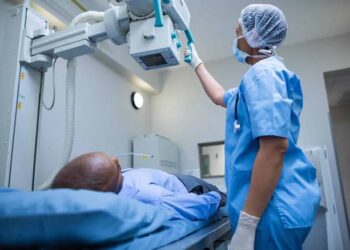
The Agfa DR 600 is designed for high-volume digital radiography environments where speed, positioning, and workflow efficiency are important. Its ceiling-mounted configuration allows the X-ray tube to move around the examination area, supporting different patient positions and examination requirements.
The Agfa DR 600 also focuses on reducing physical effort during positioning. This can be valuable in departments that perform many examinations each day, where smooth equipment movement can save time and reduce unnecessary strain on radiographers.
Where the Agfa DR 400i Fits In
Not every healthcare facility has the same space or operational requirements. The Agfa DR 400i is a floor-mounted digital radiography solution designed for facilities seeking an efficient full-room system.
The Agfa DR 400i can support routine radiography while offering motorised movements and a floating patient table. This type of configuration can be practical for diagnostic centres and hospitals that need dependable imaging within a carefully planned room layout.
The Role of a Mobile X-Ray Machine
Some patients cannot easily be transported to a conventional X-ray room. Intensive care units, emergency departments, wards, and operating areas may require imaging directly at the bedside. This is where a mobile x ray machine becomes valuable.
A mobile x ray machine allows radiographers to bring imaging capability to the patient instead of moving the patient to the equipment. Modern mobile systems can combine digital detectors with streamlined workflows, helping staff obtain images efficiently in demanding clinical environments.
Conclusion
Advanced digital radiography is becoming an important part of efficient patient-focused imaging. With solutions covering fixed-room and mobile requirements, healthcare providers can build workflows around speed, image quality, usability, and flexibility. The right technology can help radiology teams work more confidently while supporting a smoother experience for patients.
Healthcare facilities looking for dependable radiology technology can benefit from working with a specialist healthcare technology provider that combines established imaging expertise, practical workflow solutions, reliable equipment, and responsive professional support. A strong focus on innovation and clinical needs can make modern radiography a valuable long-term investment.