
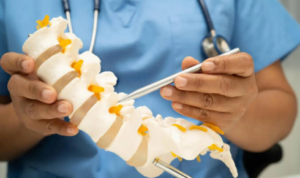
The spinal canal performs a critical function: it provides a protected channel for the spinal cord and its branching nerve roots to travel from the brain to every part of the body. When that channel narrows, as it does in spinal canal stenosis, the consequences are felt wherever those compressed nerves reach.
For many people, the diagnosis comes after months or years of symptoms that were attributed to other causes: general ageing, muscular weakness, poor fitness. When the real picture becomes clear, the next question is usually whether surgery is inevitable. In most cases, the answer is no – and non-surgical options have become sophisticated enough that they represent a genuine first-line response for the majority of patients.
The Structural Changes That Drive Stenosis
Spinal canal stenosis most commonly develops in the lumbar (lower back) and cervical (neck) regions, though it can affect any spinal level. The narrowing is typically the result of several overlapping degenerative changes:
Disc degeneration reduces disc height, allowing the vertebrae to come closer to each other and altering the geometry of the spinal canal. Bone spur formation at the vertebral edges and facet joints reduces the available space within the canal. Thickening of the ligamentum flavum, a natural consequence of reduced spinal mobility and ageing, physically encroaches on the canal from the posterior side. In some cases, spondylolisthesis (vertebral slippage) creates a shearing reduction in canal space.
The rate of progression varies widely between individuals and is influenced by both genetic predisposition and lifestyle factors, particularly the mechanical demands placed on the spine over years and decades.
Recognising the Pattern of Symptoms
Spinal canal stenosis symptoms are recognisable once the connection to spinal mechanics is understood:
- Pain, heaviness, cramping, or weakness in the legs (lumbar stenosis) or arms (cervical stenosis) that worsens with sustained standing or walking
- Symptoms that ease when sitting, bending slightly forward, or lying down – positions that reduce canal narrowing
- Tingling or numbness in the limbs that varies with posture and activity level
- Progressive reduction in the distance someone can walk before needing to rest
- A gradual sense of limb weakness or coordination difficulty in more advanced cases
The posture-dependence of symptoms is one of the most diagnostically useful features of stenosis and reflects the direct mechanical relationship between canal dimensions and nerve compression.
Non-Surgical Spinal Canal Stenosis Treatment
The goal of non-surgical treatment for spinal canal stenosis is to reduce the nerve compression that is causing symptoms, improve the circulation to the affected neural structures, and rebuild the muscular support that reduces ongoing compressive loading.
Non-Surgical Spinal Decompression Treatment creates a controlled separation of the compressed vertebral segments, temporarily widening the spinal canal and reducing the pressure on the nerves passing through it. This is achieved through a computer-guided decompression mechanism that applies and releases precise forces in a carefully controlled rhythm, creating the decompressive effect without the risks of manual manipulation.
The physiotherapy component of treatment focuses on exercises that promote lumbar or cervical flexion (which opens the stenotic canal), strengthen the core and deep spinal stabilisers, and improve the overall movement mechanics that determine how much compressive force the spine must manage during daily activities.
ANSSI Wellness provides comprehensive Spinal Canal Stenosis Treatment through the integration of advanced decompression technology and personalised rehabilitation. Each patient’s plan is built from an individual assessment that identifies the specific levels and severity of stenosis before any treatment begins.
Lifestyle Adjustments That Complement Treatment
During treatment and as a long-term strategy, several daily habits meaningfully reduce the burden on a stenotic spine:
Maintaining healthy body weight to reduce lumbar compressive loading
Choosing activities that involve mild forward flexion (cycling, pool exercise) over those that require sustained lumbar extension
Using appropriate ergonomic seating, and pacing activities to avoid the sustained upright loading that reliably aggravates nerve compression
Conclusion
Spinal canal stenosis is a progressive condition that benefits enormously from early, structured non-surgical treatment. The mechanical reality of the condition – compression that responds to decompression – makes it well suited to the kind of targeted care that modern spinal medicine now offers. Most people who pursue this path consistently achieve meaningful improvements in both symptom severity and functional capacity.