Category: Medical

  • Tips to Manage Invisalign Discomfort

    Tips to Manage Invisalign Discomfort

    Invisalign is a near-invisible option to traditional braces. Its design is discreet and allows you to smile without outward signs of metal brackets and wires.

    In the initial stages, aligners can bring minor discomfort because the teeth start to move towards their new positions. It can be in the form of headaches or jaw pain.

    Some find it hard to adjust to wearing them all day. It is normal to experience a little discomfort and pain, which is bearable.

    Fort Worth Perkins Orthodontics has the best orthodontist for braces &invisalign. They have many happy customer reviews on their website. Each patient shares unique experiences with their Invisalign. Visit their website!

    Whenyou switch to new set of aligners, there is a slight uneasiness. The new aligners are designed to gently but steadily move your teeth, so you can feel tightness and soreness. Fortunately, this discomfort usually diminishes within a few days as your teeth adjust.

    Tips to ease Invisalign discomfort

    Cold therapy

    It is a well-established way to reduce the pain and inflammation. Apply a cold compress or wash cloth dipped in cold water to your cheek, where you are experiencing the discomfort.

    It can be incredibly soothing. The cold constricts the blood vessel, reducing swelling and numbing the area. Remember to use a thin cloth between the compress and your skin to prevent irritation.

    Orthodontic wax

    The dentist will recommend a special wax. It is a clear, moldable material that can be applied to any sharp edges of your aligners that may be irritating your cheeks or gums. It creates a smooth barrier, preventing further discomfort.

    OTC painkillers

    Some painkillers don’t need prescription and can help you in moderate pain management, especially when you switch to new aligners. Always consult the dosage instructions and follow the recommended frequency to ensure safe use.

    Choose soft foods

    When you are adjusting to the new aligners, your teeth feel sores. So, choose soft foods like yogurt, mashed potatoes, steamed veggies and soups. It will ease the pressure on your teeth allowing them to adjust comfortably.

    Chew on Invisalignchewies

    Invisalignchewies are small rubbery tools. Chewing them help to fix aligners firmly onto your teeth, ensuring proper alignment and reduce any discomfort caused by loose fit.

    Maintain oral hygiene

    Oral routine you follow every day including brushing and flossing remain the same during Invisalign treatment.

    Good oral hygiene prevents the buildup of plaque and keeps gums healthy. It reduces any potential discomfort caused by irritation.

    Pain prevention

    If you anticipate discomfort when switching to new aligners, consider taking a pain reliever in advance. This proactive approach can help prevent pain from intensifying before it naturally subsides.

    Gentle massage

    Massage your gums gently with a clean finger to reduce the pressure and promote blood flow to the area. It is very soothing during the initial adjustment period.

    Patience

    Remember, the initial discomfort is temporary. As your teeth adjust to the aligners, the pain will go away. Focus on your end goal – a beautiful and healthy smile!

    Use the above tips to manage Invisalign discomfort every time a new aligner is fitted. Communicate with your dentist and work together to ensure a smooth and comfortable journey towards getting your dream smile.

  • Ponte Vedra Plastic Surgery Nocatee – Your Guide to Cosmetic Enhancements

    Ponte Vedra Plastic Surgery Nocatee – Your Guide to Cosmetic Enhancements

    1. Introduction to Ponte Vedra Plastic Surgery Nocatee
    Ponte Vedra Plastic Surgery Nocatee offers a range of cosmetic procedures to enhance your natural beauty and boost your confidence.

    2. Location and Facilities
    Located in Nocatee, Ponte Vedra Plastic Surgery provides state-of-the-art facilities and a welcoming environment for patients.

    3. Expert Surgeons and Staff
    The clinic boasts a team of highly skilled plastic surgeons and medical professionals dedicated to providing personalized care and exceptional results.

    4. Comprehensive Services Offered
    Ponte Vedra Plastic Surgery Nocatee offers a comprehensive range of cosmetic procedures, including breast augmentation, liposuction, facelifts, and more.

    5. Breast Augmentation
    Breast augmentation is a popular procedure to enhance breast size and shape, using implants or fat transfer techniques.

    6. Liposuction
    Liposuction helps sculpt the body by removing stubborn fat deposits from areas such as the abdomen, thighs, and buttocks.

    7. Facelifts and Facial Rejuvenation
    Facelifts and facial rejuvenation procedures help reverse signs of aging, restoring a youthful appearance and boosting self-confidence.

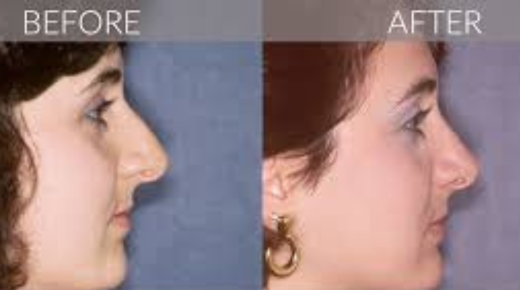
    8. Rhinoplasty
    Rhinoplasty, or nose reshaping surgery, can enhance facial harmony and improve breathing function.

    9. Mommy Makeover
    A mommy makeover combines various procedures to restore a woman’s pre-pregnancy body, addressing changes caused by childbirth and breastfeeding.

    10. Tummy Tuck
    A tummy tuck, or abdominoplasty, removes excess skin and fat from the abdomen, creating a smoother and firmer midsection.

    11. Injectable Treatments
    Ponte Vedra Plastic Surgery Nocatee offers a variety of injectable treatments, including Botox and dermal fillers, to reduce wrinkles and restore volume.

    12. Consultation Process
    During the consultation, patients meet with their surgeon to discuss their goals, medical history, and the best treatment options for their needs.

    13. Preparing for Surgery
    Patients receive pre-operative instructions to ensure a smooth surgery experience and optimal results.

    14. The Surgical Procedure
    Each surgical procedure is performed with precision and care, using advanced techniques to achieve natural-looking results.

    15. Recovery and Aftercare
    After surgery, patients receive post-operative care instructions and support to facilitate a smooth recovery process.

    16. Managing Expectations
    Realistic expectations are important, and the surgeons at Ponte Vedra Plastic Surgery Nocatee provide honest assessments and guidance throughout the process.

    17. Testimonials and Success Stories
    Many satisfied patients share their testimonials and success stories, highlighting the positive impact of their cosmetic procedures.

    18. Safety and Quality Assurance
    Ponte Vedra Plastic Surgery Nocatee prioritizes patient safety and follows strict protocols to ensure high standards of care and quality.

    19. Financing Options
    The clinic offers various financing options to make cosmetic procedures more accessible and affordable for patients.

    20. Follow-up Appointments
    Follow-up appointments allow patients to address any concerns and ensure that they are happy with their results.

    21. Community Involvement
    Ponte Vedra Plastic Surgery Nocatee is actively involved in the local community, supporting charitable causes and initiatives.

    22. Educational Resources
    The clinic provides educational resources and information to help patients make informed decisions about their cosmetic procedures.

    23. Patient-Centered Approach
    With a patient-centered approach, Ponte Vedra Plastic Surgery Nocatee prioritizes individualized care and strives to exceed patient expectations.

    24. Continued Support
    Patients receive continued support and guidance from the clinic’s team throughout their cosmetic journey.

    25. Conclusion: Transform Your Appearance with Confidence
    Ponte Vedra Plastic Surgery Nocatee offers the expertise, professionalism, and compassion needed to help you achieve your aesthetic goals and enhance your natural beauty with confidence.

  • Theresa Golden – Unveiling the Truth Behind Bachelor Plastic Surgery Rumors

    Theresa Golden – Unveiling the Truth Behind Bachelor Plastic Surgery Rumors

    1. Introduction to Theresa Golden

    Theresa Golden gained fame as a contestant on the reality TV show “The Bachelor.” Recent rumors have circulated regarding potential plastic surgery enhancements, sparking curiosity among fans.

    2. Reality TV Journey

    Golden’s journey on “The Bachelor” captured the attention of viewers, showcasing her personality and charm throughout the competition.

    3. Plastic Surgery Speculations

    In recent years, speculation has emerged about Golden’s appearance, with some suggesting she may have undergone plastic surgery procedures to enhance her looks.

    4. Before and After Comparisons

    Comparison photos of Golden’s appearance before and after her time on “The Bachelor” have fueled speculation about potential cosmetic enhancements.

    5. Rhinoplasty Rumors

    Some observers have speculated that Golden may have undergone rhinoplasty to refine the shape and size of her nose, noting subtle changes in her nasal profile.

    6. Facial Rejuvenation Allegations

    Rumors of facial rejuvenation procedures, such as facelifts or Botox injections, have also surfaced, attributing Golden’s youthful appearance to possible cosmetic interventions.

    7. Eyelid Surgery Speculation

    Golden’s eyelids have also drawn attention, with some suggesting she may have undergone eyelid surgery to achieve a more refreshed and youthful look.

    8. Dental Enhancements

    Golden’s smile has led to speculation about potential dental enhancements, including teeth whitening or dental veneers, contributing to her radiant grin.

    9. Body Contouring

    Speculation about body contouring procedures, such as liposuction or breast augmentation, has also arisen, although there is limited evidence to support these claims.

    10. Golden’s Response

    Golden has not publicly addressed the plastic surgery rumors, choosing to focus on her personal life and career rather than addressing speculative claims.

    11. Celebrity Influence

    Golden’s experience highlights the scrutiny that celebrities often face regarding their appearance and the impact of media speculation on public perception.

    12. Support for Natural Beauty

    Many fans admire Golden for her natural beauty and authenticity, celebrating her confidence and self-assurance regardless of societal pressures.

    13. Embracing Individuality

    Golden’s refusal to conform to unrealistic beauty standards serves as a reminder to embrace individuality and celebrate one’s unique features.

    14. Navigating Public Scrutiny

    As a public figure, Golden’s experience navigating public scrutiny offers valuable insights into the challenges faced by individuals in the spotlight.

    15. Lessons Learned

    Golden’s journey underscores the importance of self-confidence and self-acceptance, regardless of external pressures or opinions.

    16. Respecting Privacy

    While speculation about Golden’s plastic surgery may persist, it is essential to respect her privacy and focus on her talents and achievements beyond her appearance.

    17. Cultural Impact

    Golden’s experience reflects broader societal trends regarding beauty standards and the ongoing conversation surrounding cosmetic enhancements in the media.

    18. Media Ethics

    The media’s portrayal of celebrities’ appearance raises questions about ethics and responsible reporting, emphasizing the need for sensitivity and accuracy in journalism.

    19. Supporting Authenticity

    Supporting individuals’ authenticity and embracing diverse standards of beauty fosters a more inclusive and accepting society.

    20. Conclusion: Celebrating Diversity

    Regardless of the plastic surgery rumors surrounding Theresa Golden, her journey serves as a reminder to celebrate diversity and prioritize authenticity in the media and beyond.

  • Piedmont Plastic Surgery and Dermatology – Your Destination for Aesthetic Excellence in Hickory, NC

    Piedmont Plastic Surgery and Dermatology – Your Destination for Aesthetic Excellence in Hickory, NC

    1. Introduction to Piedmont Plastic Surgery and Dermatology

    Piedmont Plastic Surgery and Dermatology is a premier destination in Hickory, NC, offering a wide range of cosmetic and dermatological services to enhance your natural beauty.

    2. Expert Medical Team

    Our clinic boasts a team of board-certified plastic surgeons and dermatologists with extensive experience and expertise in their respective fields.

    3. Comprehensive Services

    We provide comprehensive services, including cosmetic surgery, dermatology, and skin care treatments, tailored to meet your individual needs and goals.

    4. State-of-the-Art Facilities

    Our state-of-the-art facilities are equipped with the latest technology and amenities to ensure your comfort and safety throughout your treatment journey.

    5. Personalized Treatment Plans

    At Piedmont Plastic Surgery and Dermatology, we believe in personalized care. Each patient receives a customized treatment plan designed to achieve their desired results.

    6. Cosmetic Surgery Options

    From breast augmentation to facelifts, our clinic offers a wide range of cosmetic surgery options to help you look and feel your best.

    7. Dermatological Services

    Our dermatology services address various skin concerns, including acne, eczema, and skin cancer, using advanced diagnostic and treatment techniques.

    8. Skin Rejuvenation Treatments

    We offer skin rejuvenation treatments such as laser therapy, chemical peels, and microneedling to restore your skin’s youthful glow and vitality.

    9. Body Contouring Procedures

    Whether you’re looking to sculpt your figure with liposuction or tighten loose skin with a tummy tuck, our body contouring procedures can help you achieve your ideal physique.

    10. Hair Restoration Solutions

    Our hair restoration solutions, including hair transplants and PRP therapy, can help you regain a fuller head of hair and boost your confidence.

    11. Minimally Invasive Options

    We also offer minimally invasive procedures like Botox and dermal fillers to address fine lines, wrinkles, and other signs of aging with minimal downtime.

    12. Patient-Centered Approach

    At Piedmont Plastic Surgery and Dermatology, your satisfaction and well-being are our top priorities. We strive to provide compassionate care and exceptional results.

    13. Consultation Process

    During your initial consultation, we’ll take the time to listen to your concerns and goals, answer any questions you may have, and develop a personalized treatment plan tailored to your needs.

    14. Before and After Care

    We’ll guide you through every step of your treatment journey, from pre-operative preparation to post-operative care, to ensure a smooth and successful recovery.

    15. Patient Testimonials

    Many of our satisfied patients have shared their positive experiences and stunning before and after photos, highlighting the transformative power of our treatments.

    16. Insurance and Financing Options

    We understand that cost can be a concern for some patients, which is why we offer various insurance and financing options to make our services more accessible.

    17. Community Engagement

    As members of the Hickory community, we’re committed to giving back through educational outreach programs and community events aimed at promoting skin health and wellness.

    18. Continued Education and Training

    Our team stays up-to-date with the latest advancements in plastic surgery and dermatology through continued education and training, ensuring that you receive the highest standard of care.

    19. Safety and Compliance

    We adhere to strict safety protocols and industry regulations to ensure the safety and well-being of our patients at all times.

    20. Ethical Standards

    Ethical integrity is at the core of everything we do. We believe in honesty, transparency, and integrity in all of our interactions with patients.

    21. Global Recognition

    Our clinic has gained recognition both locally and globally for our commitment to excellence in patient care and exceptional treatment outcomes.

    22. Conclusion: Your Trusted Partner

    Whether you’re considering cosmetic surgery or dermatological treatment, Piedmont Plastic Surgery and Dermatology is your trusted partner for achieving beautiful, natural-looking results that enhance your confidence and quality of life.

  • Angelina Jolie Before Plastic Surgery – Unraveling the Truth

    Angelina Jolie Before Plastic Surgery – Unraveling the Truth

    1. Introduction to Angelina Jolie

    Angelina Jolie, a renowned actress, humanitarian, and mother, has captured the hearts of millions with her talent and beauty. Over the years, there has been speculation about whether she has undergone plastic surgery.

    2. Early Career and Natural Beauty

    Angelina Jolie rose to fame in the late 1990s for her captivating performances and striking features. Many admired her natural beauty and unique charm.

    3. The Evolution of Angelina Jolie’s Appearance

    As Angelina Jolie’s career progressed, fans and media noticed subtle changes in her appearance, sparking rumors about possible cosmetic enhancements.

    4. Speculations Surrounding Plastic Surgery

    Speculations surrounding Angelina Jolie’s plastic surgery have ranged from rhinoplasty to lip enhancements and facial fillers.

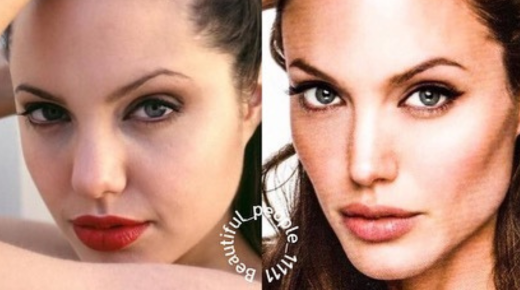
    5. Rhinoplasty Rumors

    One of the most persistent rumors is that Angelina Jolie underwent rhinoplasty, or a nose job, to refine the shape of her nose. Before and after comparisons fuel these speculations.

    6. Lip Augmentation Speculations

    There have been speculations about Angelina Jolie’s lips, with some suggesting she may have undergone lip augmentation procedures to achieve fuller lips.

    7. Cheek and Jawline Contouring

    Fans have also noted changes in Angelina Jolie’s cheek and jawline contours, leading to speculation about possible facial contouring procedures.

    8. Eyelid Surgery Rumors

    Rumors about eyelid surgery, or blepharoplasty, have surfaced as well, with some suggesting that Angelina Jolie may have undergone the procedure to achieve a more youthful appearance.

    9. Breast Augmentation Allegations

    In the early years of her career, there were rumors about Angelina Jolie undergoing breast augmentation surgery, although she has never confirmed these speculations.

    10. Addressing Plastic Surgery Speculations

    Angelina Jolie has rarely addressed plastic surgery speculations directly, preferring to focus on her work and humanitarian efforts.

    11. Embracing Aging Gracefully

    Angelina Jolie has spoken about embracing the aging process gracefully and prioritizing inner beauty and self-confidence over external appearances.

    12. The Influence of Makeup and Styling

    Angelina Jolie’s glamorous red carpet appearances are often attributed to expert makeup and styling techniques, rather than extensive cosmetic procedures.

    13. The Role of Genetics

    Genetics likely play a significant role in Angelina Jolie’s timeless beauty, as she comes from a family known for its striking features.

    14. Public Opinion and Media Scrutiny

    Public opinion regarding Angelina Jolie’s appearance varies, with some admiring her natural beauty and others speculating about the possibility of plastic surgery.

    15. Expert Opinions on Angelina Jolie’s Look

    Plastic surgeons and beauty experts have weighed in on Angelina Jolie’s appearance, offering insights into what procedures she may have had based on their professional expertise.

    16. Celebrity Culture and Beauty Ideals

    The culture of celebrity and societal beauty ideals place immense pressure on public figures like Angelina Jolie to maintain a flawless appearance.

    17. Angelina Jolie’s Influence on Beauty Trends

    Angelina Jolie’s beauty and style have influenced beauty trends over the years, inspiring many to emulate her iconic looks.

    18. Confidence and Self-Acceptance

    Angelina Jolie’s confidence and self-acceptance serve as powerful reminders that true beauty comes from within and cannot be achieved through external enhancements alone.

    19. Rumors vs. Reality

    While rumors about Angelina Jolie’s plastic surgery abound, the truth remains elusive, and she continues to captivate audiences with her talent and grace.

    20. Lessons Learned from Angelina Jolie

    Angelina Jolie’s approach to beauty teaches us the importance of embracing individuality and finding confidence in our unique features.

    21. Personal Choices and Autonomy

    Ultimately, decisions about plastic surgery are personal and should be made based on individual preferences and goals, free from judgment or scrutiny.

    22. The Importance of Respect and Empathy

    Regardless of whether Angelina Jolie has undergone plastic surgery, it’s essential to respect her choices and recognize her contributions beyond her appearance.

    23. Shifting Perspectives on Aging

    As society’s perspectives on aging evolve, there is a growing emphasis on embracing natural beauty and celebrating the wisdom that comes with age.

    24. Angelina Jolie’s Enduring Legacy

    Angelina Jolie’s impact extends far beyond her appearance, leaving a lasting legacy as a talented actress, dedicated humanitarian, and advocate for positive change.

    25. Conclusion: Beyond Appearance

    While plastic surgery rumors may persist, Angelina Jolie’s true beauty lies in her talent, compassion, and commitment to making a difference in the world, reminding us that there is more to a person than meets the eye.

  • Arnold Schwarzenegger Plastic Surgery – Separating Fact from Fiction

    Arnold Schwarzenegger Plastic Surgery – Separating Fact from Fiction

    1. Introduction to Arnold Schwarzenegger
    Arnold Schwarzenegger, known for his iconic roles in Hollywood and his achievements as a bodybuilder and politician, has long been a subject of speculation regarding plastic surgery.

    2. Schwarzenegger’s Rise to Fame
    Arnold Schwarzenegger gained fame as a bodybuilder, winning numerous titles before transitioning to a successful acting career.

    3. Speculations Surrounding Plastic Surgery
    Over the years, rumors have circulated about Arnold Schwarzenegger undergoing plastic surgery to maintain his youthful appearance.

    4. Rhinoplasty Rumors
    Speculations about Schwarzenegger’s nose have led to rumors of rhinoplasty, with some suggesting he may have undergone surgery to refine its shape.

    5. Facelift Allegations
    There have been allegations of Schwarzenegger undergoing facelift procedures to combat signs of aging and maintain his rugged appearance.

    6. Eyelid Surgery Speculations
    Rumors of eyelid surgery, or blepharoplasty, have surfaced, with some suggesting Schwarzenegger may have had the procedure to rejuvenate his eyes.

    7. Forehead Botox Injections
    There have been speculations about Schwarzenegger receiving Botox injections to smooth wrinkles and lines on his forehead.

    8. Jawline Contouring Claims
    Claims of jawline contouring procedures have also emerged, with some suggesting Schwarzenegger may have undergone surgery to enhance his jawline.

    9. Lip Augmentation Allegations
    There have been allegations of lip augmentation procedures, with some suggesting Schwarzenegger may have undergone surgery to achieve fuller lips.

    10. Addressing Plastic Surgery Rumors
    Schwarzenegger has rarely addressed plastic surgery rumors directly, focusing instead on his career and philanthropic endeavors.

    11. Aging Gracefully
    Schwarzenegger has spoken about aging gracefully and embracing the natural changes that come with getting older.

    12. Makeup and Styling Techniques
    Schwarzenegger’s appearance on screen and in public appearances may also be attributed to expert makeup and styling techniques.

    13. Genetic Factors
    Genetics may play a role in Schwarzenegger’s appearance, as he comes from a family known for its strong and distinct features.

    14. Public Opinion and Media Scrutiny
    Public opinion regarding Schwarzenegger’s appearance varies, with some admiring his timeless look and others speculating about plastic surgery.

    15. Expert Insights
    Plastic surgeons and beauty experts have offered insights into Schwarzenegger’s appearance, providing their perspectives on potential procedures he may have had.

    16. Influence on Beauty Standards
    Schwarzenegger’s iconic look has influenced beauty standards and trends, inspiring many to emulate his physique and style.

    17. Confidence and Self-Assurance
    Regardless of whether Schwarzenegger has undergone plastic surgery, his confidence and self-assurance remain evident in his public appearances.

    18. Lessons Learned from Schwarzenegger
    Schwarzenegger’s approach to aging teaches us the importance of embracing our natural appearance and finding confidence in ourselves.

    19. Personal Choices and Autonomy
    Decisions about plastic surgery are personal and should be made based on individual preferences and goals, free from judgment or scrutiny.

    20. The Importance of Respect
    Regardless of any plastic surgery rumors, it’s essential to respect Schwarzenegger’s choices and recognize his contributions beyond his appearance.

    21. Shifting Perspectives
    As societal attitudes towards aging evolve, there is a growing emphasis on embracing natural beauty and celebrating the wisdom that comes with age.

    22. Schwarzenegger’s Enduring Legacy
    Schwarzenegger’s impact extends far beyond his appearance, leaving a lasting legacy as a multifaceted individual with diverse achievements.

    23. Conclusion: Beyond Appearance
    While plastic surgery rumors may persist, Arnold Schwarzenegger’s true essence lies in his talent, resilience, and contributions to various fields, reminding us that there is more to a person than meets the eye.

  • Foods That Cause Allergies – Understanding Common Triggers

    Foods That Cause Allergies – Understanding Common Triggers

    1. Introduction to Food Allergies

    Food allergies occur when the immune system mistakenly identifies a harmless food protein as a threat, leading to an allergic reaction. These reactions can range from mild to severe and understanding common food allergens is crucial for managing and preventing allergic responses.

    2. Common Symptoms of Food Allergies

    Symptoms of food allergies can include hives, swelling, digestive issues, and anaphylaxis. Recognizing these symptoms early can help in seeking prompt treatment and avoiding severe reactions.

    3. The Big Eight Allergens

    The majority of food allergies are caused by eight common allergens: milk, eggs, peanuts, tree nuts, fish, shellfish, soy, and wheat. These foods account for about 90% of all allergic reactions and are often referred to as “The Big Eight.”

    4. Milk Allergies

    Milk allergies are common, especially in children. Symptoms can include hives, stomach pain, vomiting, and in severe cases, anaphylaxis. People with milk allergies need to avoid all dairy products and foods containing milk proteins.

    5. Egg Allergies

    Egg allergies are typically seen in children and can cause symptoms like skin reactions, respiratory issues, and digestive discomfort. Both egg whites and yolks can trigger reactions, though egg whites are more commonly allergenic.

    6. Peanut Allergies

    Peanut allergies are one of the most severe and can lead to anaphylaxis. Symptoms include swelling, hives, difficulty breathing, and digestive issues. Strict avoidance of peanuts and peanut-containing products is necessary for those with this allergy.

    7. Tree Nut Allergies

    Tree nut allergies include reactions to nuts such as almonds, walnuts, cashews, and pecans. Like peanut allergies, tree nut allergies can be severe and require careful avoidance of all products containing tree nuts.

    8. Fish Allergies

    Fish allergies are common in both children and adults. Symptoms can range from mild to severe and include skin reactions, digestive issues, and anaphylaxis. People with fish allergies should avoid all types of fish and fish-based products.

    9. Shellfish Allergies

    Shellfish allergies, including reactions to crustaceans like shrimp, crab, and lobster, can cause severe symptoms. This allergy is often lifelong and requires strict avoidance of all shellfish and related foods.

    10. Soy Allergies

    Soy allergies are common in infants and young children. Symptoms include skin reactions, digestive problems, and respiratory issues. Soy is found in many processed foods, so careful label reading is essential.

    11. Wheat Allergies

    Wheat allergies can cause a range of symptoms from hives to anaphylaxis. It’s important not to confuse wheat allergies with celiac disease or gluten sensitivity. People with wheat allergies need to avoid wheat-containing foods and products.

    12. Gluten Sensitivity and Celiac Disease

    While not an allergy, gluten sensitivity and celiac disease involve adverse reactions to gluten, a protein found in wheat, barley, and rye. Symptoms include digestive discomfort, skin issues, and fatigue. A strict gluten-free diet is necessary for management.

    13. Corn Allergies

    Corn allergies are less common but can cause significant reactions, including hives, asthma, and anaphylaxis. Corn is found in many foods and products, making it challenging to avoid.

    14. Sesame Seed Allergies

    Sesame seed allergies are becoming more recognized and can cause severe reactions. Symptoms include hives, swelling, and difficulty breathing. Sesame is often found in bread, sauces, and snack foods.

    15. Mustard Allergies

    Mustard allergies can cause symptoms such as hives, respiratory issues, and digestive problems. Mustard is a common ingredient in many foods, including dressings, sauces, and processed meats.

    16. Lupin Allergies

    Lupin, a legume, is increasingly used in gluten-free and high-protein foods. Lupin allergies can cause symptoms ranging from mild to severe, and individuals with peanut allergies may be at higher risk for lupin allergy.

    17. Meat Allergies

    Allergies to meat, including beef, pork, and lamb, can cause reactions such as hives, digestive issues, and anaphylaxis. These allergies can sometimes be linked to tick bites, which can trigger alpha-gal syndrome, leading to red meat allergies.

    18. Fruit and Vegetable Allergies

    Some individuals may experience oral allergy syndrome, where fresh fruits and vegetables cause itching or swelling in the mouth. This is often related to pollen allergies and can usually be managed by cooking the fruits and vegetables.

    19. Spice Allergies

    Allergies to spices like garlic, cinnamon, and black pepper can cause skin reactions, digestive issues, and respiratory symptoms. Avoiding specific spices and using alternatives can help manage these allergies.

    20. Sulfite Sensitivity

    Sulfites are preservatives used in many foods and beverages, such as dried fruits and wine. Sensitivity to sulfites can cause respiratory issues, skin reactions, and digestive problems. Avoiding sulfite-containing foods is essential for those with sensitivity.

    21. Chocolate Allergies

    Chocolate allergies are rare but can cause symptoms like hives, digestive issues, and respiratory problems. These reactions are often due to other ingredients in chocolate, such as milk, nuts, or soy.

    22. Food Additives and Preservatives

    Some people may be allergic or sensitive to food additives and preservatives, including artificial colors, flavors, and preservatives like MSG. Symptoms can include skin reactions, headaches, and digestive issues.

    23. Managing Food Allergies

    Managing food allergies involves avoiding allergenic foods, reading labels carefully, and being aware of cross-contamination risks. Carrying emergency medications, such as epinephrine auto-injectors, is crucial for severe allergies.

    24. Food Allergy Testing and Diagnosis

    Food allergy testing, including skin prick tests and blood tests, can help identify specific allergens. Consulting an allergist for accurate diagnosis and management plan is essential for living safely with food allergies.

    25. Conclusion: Living with Food Allergies

    Living with food allergies requires vigilance and careful management. By understanding common allergens, recognizing symptoms, and taking preventive measures, individuals can lead healthy and safe lives. Consulting healthcare professionals for personalized advice and treatment is always recommended.

  • 25 Reasons to See a Skin Allergy Specialist Near You

    25 Reasons to See a Skin Allergy Specialist Near You

    1. Expert Diagnosis: Identifying the Problem

    Seeing a skin allergy specialist near you ensures an accurate diagnosis of your skin condition. These experts have the knowledge and tools to identify various skin allergies, determining the exact cause of your symptoms, and providing tailored treatment plans to address your specific needs.

    2. Customized Treatment Plans: Personalized Care

    A skin allergy specialist offers customized treatment plans based on your unique condition. They consider your medical history, lifestyle, and specific allergens to create a plan that effectively manages and alleviates your symptoms, ensuring better results and improved skin health.

    3. Advanced Testing: Comprehensive Evaluation

    Specialists use advanced testing methods, such as patch tests and skin prick tests, to accurately diagnose skin allergies. These tests help identify the specific allergens causing your symptoms, enabling targeted treatment and reducing the risk of future allergic reactions.

    4. Access to the Latest Treatments: Cutting-Edge Solutions

    Skin allergy specialists stay updated with the latest advancements in dermatology and allergy treatments. By visiting a specialist near you, you gain access to cutting-edge therapies and medications that may not be available through general practitioners, ensuring the best possible care.

    5. Expertise in Chronic Conditions: Long-Term Management

    If you suffer from chronic skin allergies, a specialist can provide long-term management strategies. They have experience dealing with persistent conditions like eczema and psoriasis, offering effective solutions to manage flare-ups and maintain healthy skin over time.

    6. Safe Allergy Testing: Accurate Results

    Skin allergy specialists perform safe and accurate allergy testing to pinpoint the exact allergens causing your symptoms. This helps avoid unnecessary treatments and ensures you receive the right care for your specific condition, minimizing the risk of adverse reactions.

    7. Personalized Skincare Advice: Tailored Recommendations

    A specialist can provide personalized skincare advice, recommending products and routines that suit your skin type and allergy triggers. This tailored approach helps prevent further irritation and promotes healthier, clearer skin.

    8. Treatment for Severe Reactions: Emergency Care

    In cases of severe allergic reactions, a skin allergy specialist can provide emergency care and treatment. They are equipped to handle serious conditions like anaphylaxis, ensuring you receive prompt and appropriate care to manage life-threatening symptoms.

    9. Monitoring and Follow-Up: Continuous Support

    Regular visits to a skin allergy specialist ensure ongoing monitoring and follow-up care. This continuous support helps track your progress, adjust treatments as needed, and address any new symptoms or concerns that may arise.

    10. Holistic Approach: Comprehensive Care

    Skin allergy specialists take a holistic approach to care, considering all aspects of your health and lifestyle. They may recommend dietary changes, stress management techniques, and other holistic strategies to support your overall well-being and improve skin health.

    11. Access to Specialized Clinics: Focused Care

    Specialized clinics dedicated to skin allergies offer focused care and expertise. These clinics are equipped with advanced technology and staffed by experienced professionals, ensuring you receive the highest quality of care for your skin condition.

    12. Education and Awareness: Informed Decisions

    A skin allergy specialist educates you about your condition, helping you make informed decisions about your treatment and care. Understanding your allergy triggers and treatment options empowers you to take control of your skin health.

    13. Comprehensive Skin Assessments: Detailed Analysis

    Comprehensive skin assessments conducted by specialists provide a detailed analysis of your condition. These assessments help identify underlying causes and contributing factors, ensuring a thorough understanding of your skin allergies for more effective treatment.

    14. Prevention Strategies: Reducing Future Risks

    Specialists offer prevention strategies to reduce the risk of future allergic reactions. They provide guidance on avoiding known allergens, using protective measures, and maintaining a healthy lifestyle to minimize the likelihood of skin allergy flare-ups.

    15. Treatment for All Ages: Family Care

    Skin allergy specialists provide care for patients of all ages, from children to adults. This family-oriented approach ensures everyone receives appropriate treatment and support, promoting healthier skin for the entire family.

    16. Minimizing Side Effects: Safe Treatments

    Specialists are knowledgeable about the potential side effects of various treatments and medications. They can recommend safe and effective options, minimizing the risk of adverse reactions and ensuring your comfort and well-being.

    17. Addressing Cosmetic Concerns: Improved Appearance

    In addition to treating the underlying allergy, specialists can address cosmetic concerns related to skin allergies, such as scarring and discoloration. They offer treatments and advice to improve the appearance of your skin, boosting your confidence and self-esteem.

    18. Coordination with Other Specialists: Integrated Care

    Skin allergy specialists often work in coordination with other healthcare providers, such as immunologists and primary care doctors, to provide integrated care. This collaborative approach ensures all aspects of your health are considered in your treatment plan.

    19. Cutting-Edge Research: Innovative Solutions

    Many skin allergy specialists are involved in cutting-edge research and clinical trials. By seeing a specialist, you may have access to innovative treatments and therapies that are still in development, offering new solutions for managing your skin condition.

    20. Emotional Support: Compassionate Care

    Dealing with skin allergies can be emotionally challenging. Specialists provide compassionate care and emotional support, helping you cope with the impact of your condition on your daily life and mental well-being.

    21. Treatment for Rare Allergies: Specialized Knowledge

    For rare and complex skin allergies, a specialist offers the expertise needed to diagnose and treat these conditions. Their specialized knowledge ensures you receive accurate diagnosis and effective treatment for less common skin allergy issues.

    22. Lifestyle Recommendations: Holistic Health

    Skin allergy specialists often provide lifestyle recommendations to support overall health and well-being. These recommendations may include dietary advice, exercise routines, and stress management techniques that complement your treatment plan.

    23. Addressing Occupational Allergies: Work-Related Care

    If your skin allergies are related to your occupation, a specialist can provide targeted care and advice. They can recommend protective measures and treatments to manage your symptoms while maintaining your work responsibilities.

    24. Advanced Imaging Techniques: Accurate Diagnosis

    Specialists use advanced imaging techniques, such as dermoscopy and skin biopsies, to accurately diagnose skin allergies. These techniques provide detailed insights into your condition, enabling precise and effective treatment.

    25. Peace of Mind: Reassurance and Confidence

    Visiting a skin allergy specialist provides peace of mind, knowing you are receiving expert care tailored to your specific needs. Their reassurance and guidance help you feel confident in managing your condition and maintaining healthy skin.

  • Anti-Allergy Homeopathic Medicine – A Comprehensive Guide

    Anti-Allergy Homeopathic Medicine – A Comprehensive Guide

    1. Introduction to Homeopathic Medicine for Allergies

    Homeopathy is a natural form of medicine that aims to treat the root cause of allergies rather than just the symptoms. Using highly diluted substances, homeopathic remedies can stimulate the body’s self-healing mechanisms, providing relief from various allergic reactions.

    2. How Homeopathy Works for Allergies

    Homeopathy works on the principle of “like cures like.” This means that substances causing symptoms in a healthy person can be used in diluted forms to treat similar symptoms in an allergic person. These remedies are tailored to individual symptoms and overall health conditions.

    3. Common Allergies Treated with Homeopathy

    Homeopathic medicine can effectively treat a wide range of allergies, including those caused by pollen, dust mites, pet dander, mold, and certain foods. It addresses symptoms such as sneezing, runny nose, itchy eyes, skin rashes, and digestive issues.

    4. Benefits of Homeopathic Allergy Treatment

    One of the main benefits of homeopathic allergy treatment is its gentle and natural approach. Homeopathic remedies are free from harsh chemicals and side effects, making them suitable for individuals of all ages, including children and pregnant women.

    5. Allium Cepa for Hay Fever

    Allium Cepa, derived from red onion, is a common homeopathic remedy for hay fever. It helps alleviate symptoms like watery eyes, runny nose, and sneezing. This remedy is particularly effective when symptoms mimic those caused by cutting an onion.

    6. Arsenicum Album for Respiratory Allergies

    Arsenicum Album is used to treat respiratory allergies with symptoms like wheezing, shortness of breath, and burning nasal discharge. It is particularly helpful for individuals who feel worse in cold environments and better in warm settings.

    7. Natrum Muriaticum for Skin Allergies

    Natrum Muriaticum, derived from table salt, is effective in treating skin allergies such as eczema and hives. It helps reduce itching, redness, and dry, cracked skin. This remedy is suitable for individuals who experience worsened symptoms after exposure to sun and saltwater.

    8. Euphrasia for Eye Allergies

    Euphrasia, also known as eyebright, is a homeopathic remedy specifically for eye allergies. It alleviates symptoms like red, swollen, and watery eyes, as well as burning and itching sensations. It is particularly useful for allergic conjunctivitis.

    9. Apis Mellifica for Insect Bite Allergies

    Apis Mellifica, derived from the honeybee, is used to treat allergic reactions to insect bites and stings. It helps reduce swelling, redness, and pain associated with such allergic reactions. This remedy is especially effective when the affected area feels hot and swollen.

    10. Sulphur for Chronic Skin Conditions

    Sulphur is a widely used homeopathic remedy for chronic skin conditions, including allergies that cause intense itching and burning. It is beneficial for individuals with dry, scaly, and unhealthy-looking skin that worsens with heat and washing.

    11. Nux Vomica for Food Allergies

    Nux Vomica is helpful for treating food allergies that cause digestive issues such as nausea, vomiting, bloating, and diarrhea. It is especially suitable for individuals who overindulge in rich, spicy foods and experience subsequent allergic reactions.

    12. Histaminum for General Allergy Relief

    Histaminum, derived from histamine, is used in homeopathy to provide general relief from various allergy symptoms. It helps reduce inflammation, itching, and other allergic reactions, making it a versatile remedy for different types of allergies.

    13. Homeopathic Dosing and Potency

    Homeopathic remedies are available in different potencies, commonly denoted by numbers and letters like 6X, 30C, and 200C. The potency indicates the level of dilution and the strength of the remedy. A homeopath can recommend the appropriate potency based on individual symptoms and health conditions.

    14. Safety and Side Effects of Homeopathic Remedies

    Homeopathic remedies are generally considered safe with minimal side effects because they use highly diluted substances. However, it’s essential to use these remedies under the guidance of a qualified homeopath to ensure proper dosing and effectiveness.

    15. Consulting a Homeopath

    Consulting a homeopath is crucial for effective allergy treatment. A homeopath takes a comprehensive look at your health history, symptoms, and lifestyle to prescribe personalized remedies. This individualized approach ensures the best possible outcomes.

    16. Integrating Homeopathy with Conventional Treatments

    Homeopathy can be integrated with conventional treatments to provide holistic allergy management. Always inform your healthcare provider about all the treatments you are using to avoid potential interactions and ensure coordinated care.

    17. Homeopathic Remedies for Children

    Homeopathic remedies are safe and effective for children suffering from allergies. They can treat common pediatric allergies, such as food allergies, eczema, and hay fever, without the side effects associated with conventional medications.

    18. Seasonal Allergy Management with Homeopathy

    Homeopathy offers effective solutions for managing seasonal allergies. Remedies like Allium Cepa, Sabadilla, and Arsenicum Album can provide relief from symptoms like sneezing, runny nose, and itchy eyes, helping individuals enjoy the changing seasons without discomfort.

    19. Long-Term Benefits of Homeopathic Treatment

    Homeopathy aims to treat the root cause of allergies, offering long-term benefits. Regular use of personalized remedies can strengthen the immune system and reduce the frequency and severity of allergic reactions over time.

    20. Homeopathic First Aid for Allergic Reactions

    Homeopathic remedies can serve as first aid for sudden allergic reactions. Remedies like Apis Mellifica and Urtica Urens can provide immediate relief from symptoms like swelling, redness, and itching caused by insect bites or food allergies.

    21. Homeopathic Detoxification for Allergies

    Detoxification is an essential aspect of homeopathic treatment for allergies. Remedies like Nux Vomica and Sulphur help cleanse the body of toxins, improving overall health and reducing allergic sensitivities.

    22. Understanding Homeopathic Remedy Combinations

    Homeopathic remedies can be used individually or in combination, depending on the symptoms and severity of the allergy. A homeopath can create a combination remedy that addresses multiple symptoms, providing comprehensive relief.

    23. Lifestyle Changes to Support Homeopathic Treatment

    Lifestyle changes can enhance the effectiveness of homeopathic treatment. Avoiding known allergens, maintaining a healthy diet, staying hydrated, and practicing good hygiene can complement homeopathic remedies and improve overall health.

    24. Homeopathic Remedies for Pet Allergies

    Homeopathy can effectively treat pet allergies, providing relief from symptoms like sneezing, runny nose, and itchy eyes. Remedies like Natrum Muriaticum and Arsenicum Album can help individuals enjoy their pets without discomfort.

    25. The Future of Homeopathy in Allergy Treatment

    The future of homeopathy in allergy treatment looks promising, with ongoing research and increasing acceptance among healthcare providers. As more people seek natural and holistic approaches to managing allergies, homeopathy continues to offer safe and effective solutions.

  • Sulfa Allergy and COVID Vaccine – Important Information and Guidelines

    Sulfa Allergy and COVID Vaccine – Important Information and Guidelines

    1. Introduction to Sulfa Allergy

    A sulfa allergy occurs when the immune system reacts adversely to medications containing sulfonamides. These reactions can range from mild rashes to severe anaphylaxis. Understanding sulfa allergies is crucial for safe medication use and medical procedures.

    2. Understanding COVID-19 Vaccines

    COVID-19 vaccines are designed to protect against the coronavirus by stimulating the immune system. There are several types of COVID-19 vaccines, including mRNA vaccines (Pfizer-BioNTech and Moderna) and viral vector vaccines (Johnson & Johnson).

    3. Can People with Sulfa Allergies Get the COVID-19 Vaccine?

    People with sulfa allergies can generally receive COVID-19 vaccines. The ingredients in these vaccines do not include sulfonamides. However, it’s essential to consult with a healthcare provider to address any specific concerns.

    4. COVID-19 Vaccine Ingredients

    Understanding the ingredients in COVID-19 vaccines can help alleviate concerns about allergies. These vaccines typically contain mRNA or viral vectors, lipids, salts, sugars, and stabilizers, but no sulfa-based components.

    5. Common Symptoms of Sulfa Allergy

    Symptoms of a sulfa allergy include rash, itching, swelling, and difficulty breathing. Severe reactions, such as anaphylaxis, require immediate medical attention. Knowing these symptoms can help manage and prevent allergic reactions.

    6. Reporting Allergic Reactions to Vaccines

    If you experience an allergic reaction after receiving a vaccine, it’s important to report it to healthcare providers and vaccine monitoring systems like VAERS (Vaccine Adverse Event Reporting System). This helps ensure safety and monitor vaccine effects.

    7. Cross-Reactivity with Other Medications

    Sulfa allergies can sometimes cross-react with other medications, particularly those containing similar chemical structures. Inform your healthcare provider about all allergies and medications to avoid potential reactions.

    8. Preparing for the COVID-19 Vaccine

    Before receiving the COVID-19 vaccine, discuss your medical history, including any allergies, with your healthcare provider. They can provide personalized advice and ensure you are prepared for vaccination.

    9. Monitoring After Vaccination

    After receiving the COVID-19 vaccine, it’s recommended to stay at the vaccination site for at least 15-30 minutes to monitor for any immediate allergic reactions. This precaution helps ensure prompt medical intervention if needed.

    10. Managing Mild Allergic Reactions

    Mild allergic reactions, such as itching or minor swelling, can often be managed with antihistamines. Always consult with a healthcare provider before taking any medication to ensure it is safe and appropriate for your condition.

    11. Understanding Anaphylaxis

    Anaphylaxis is a severe, potentially life-threatening allergic reaction that requires immediate medical attention. Symptoms include difficulty breathing, swelling of the face and throat, and a rapid drop in blood pressure.

    12. Epinephrine for Severe Reactions

    Epinephrine is the first-line treatment for anaphylaxis. People with severe allergies should carry an epinephrine auto-injector (such as an EpiPen) and know how to use it in case of an emergency.

    13. Differences Between Sulfa Drugs and Sulfates

    Sulfa drugs (sulfonamides) and sulfates are different. Sulfa drugs are antibiotics, while sulfates are salts containing sulfur. People with sulfa allergies are not typically allergic to sulfates.

    14. Informing Healthcare Providers

    Always inform healthcare providers about your sulfa allergy and any other allergies you have. This information is crucial for avoiding allergic reactions during medical treatments and procedures.

    15. COVID-19 Vaccine Booster Shots

    Booster shots are additional doses of the COVID-19 vaccine to enhance immunity. People with sulfa allergies can generally receive booster shots, but should consult their healthcare provider for personalized advice.

    16. Alternatives for People with Multiple Allergies

    For those with multiple allergies, including sulfa and other medication allergies, alternative COVID-19 vaccines or precautionary measures might be necessary. Discuss options with a healthcare provider to ensure safe vaccination.

    17. Importance of Vaccination

    COVID-19 vaccination is crucial for protecting against severe illness, hospitalization, and death caused by the coronavirus. Vaccines have been shown to be safe and effective for most people, including those with allergies.

    18. Addressing Vaccine Hesitancy

    Vaccine hesitancy can be overcome with accurate information and open discussions with healthcare providers. Addressing concerns about allergies and side effects can help build confidence in the COVID-19 vaccine.

    19. Myths About Allergies and Vaccines

    There are many myths about allergies and vaccines that can cause unnecessary fear. Understanding the facts and separating myths from reality can help make informed decisions about vaccination.

    20. Role of Allergy Specialists

    Allergy specialists can provide expert advice on managing allergies and safely receiving vaccinations. Consult an allergist if you have a complex allergy history or concerns about reactions to vaccines.

    21. Post-Vaccination Care

    After receiving the COVID-19 vaccine, monitor for any unusual symptoms and maintain open communication with your healthcare provider. Report any adverse reactions and follow recommended post-vaccination guidelines.

    22. Travel Considerations with Allergies

    Traveling with allergies requires careful planning, especially in the context of COVID-19. Ensure you have all necessary medications, including an epinephrine auto-injector, and follow travel guidelines to stay safe.

    23. COVID-19 Variants and Vaccine Efficacy

    COVID-19 variants have raised concerns about vaccine efficacy. Current vaccines provide protection against severe illness caused by variants, but ongoing research and possible booster shots may be needed.

    24. Staying Informed About Updates

    Stay informed about updates and recommendations regarding COVID-19 vaccines and allergies. Reliable sources include the CDC, WHO, and your healthcare provider. Keeping updated helps you make informed health decisions.

    25. Conclusion: Safety and Efficacy of COVID-19 Vaccines for People with Sulfa Allergies

    COVID-19 vaccines are safe and effective for most people, including those with sulfa allergies. By understanding the facts, consulting healthcare providers, and taking necessary precautions, individuals with sulfa allergies can confidently receive the COVID-19 vaccine and contribute to ending the pandemic.