Category: Health

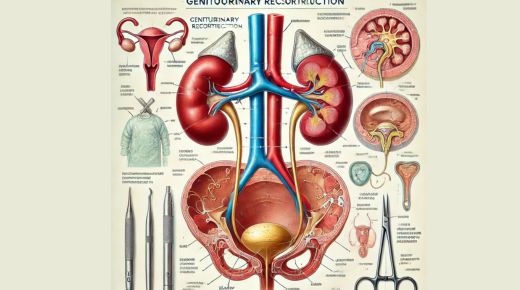
  • Genitourinary Reconstruction: A Urologist’s Perspective

    Genitourinary Reconstruction: A Urologist’s Perspective

    David B Samadi, MD

    Genitourinary reconstruction can feel overwhelming, but it’s crucial. This field focuses on restoring normal function and appearance to the urinary and reproductive systems. Urologists see the challenges and successes of these procedures daily. Take, for instance, the work of David B Samadi, MD, who has advanced techniques in this area. Through careful planning and skilled execution, we aim to improve quality of life. Understanding the essentials of this complex process can empower those facing it.

    What Is Genitourinary Reconstruction?

    Genitourinary reconstruction involves surgical procedures that repair or reconstruct parts of the urinary and reproductive systems. These surgeries may result from congenital anomalies, trauma, or diseases like cancer. The purpose is to restore both function and appearance, helping individuals lead healthier lives.

    Common Procedures in Genitourinary Reconstruction

    • Bladder reconstruction: Rebuilding or reshaping the bladder to restore function.
    • Urethral reconstruction: Repairing or reconstructing the urethra for proper urine flow.
    • Genital reconstruction: Restoring or reconstructing parts of the genital area for function and appearance.

    Benefits of Genitourinary Reconstruction

    These procedures can offer significant benefits:

    • Improved quality of life.
    • Enhanced physical function.
    • Boosted emotional and psychological well-being.

    For more information on the impact of these surgeries, you can visit the National Institute of Diabetes and Digestive and Kidney Diseases.

    Challenges in Genitourinary Reconstruction

    While these surgeries can be life-changing, they also come with challenges:

    • Complexity of surgery: These procedures require skilled surgeons and careful planning.
    • Recovery time: Rebuilding parts of the genitourinary tract often involves significant recovery.
    • Potential complications: Like any surgery, there are risks of infection and other complications.

    Advancements in Surgical Techniques

    Recent advancements have improved outcomes for patients. Robotic-assisted surgeries, for instance, provide greater precision. This can lead to quicker recovery and fewer complications. These technologies represent a step forward in the field, enhancing our ability to restore function effectively.

    Success Rates and Outcomes

    Success in genitourinary reconstruction varies depending on the procedure and patient circumstances. However, statistics show promising outcomes:

    ProcedureSuccess Rate
    Bladder Reconstruction80-90%
    Urethral Reconstruction85-95%
    Genital Reconstruction75-85%

    For more detailed statistics, consider reviewing resources from the Centers for Disease Control and Prevention.

    The Future of Genitourinary Reconstruction

    The future of genitourinary reconstruction looks promising. With ongoing research and technological advancements, the hope is to make these procedures even more effective and less invasive. Continued collaboration among medical professionals will help refine techniques and improve patient outcomes.

    Conclusion

    Genitourinary reconstruction is a vital field that can significantly enhance patients’ lives. By understanding the procedures, challenges, and advancements, we can better appreciate the positive impact these surgeries can have. The ongoing work by experts in the field continues to push the boundaries, offering hope to those who need it most.

  • Stress and Heart Disease: A Cardiologist’s Insight

    Stress and Heart Disease: A Cardiologist’s Insight

    chest pain Port Saint Lucie

    Stress affects the heart in many ways. It can cause high blood pressure, irregular heartbeats, and even heart attacks. Often, stress is linked to chest pain Port Saint Lucie residents experience. Understanding this connection is vital. By managing stress, heart disease risk can be reduced. This blog explores how stress impacts the heart and what can be done to protect it.

    How Stress Impacts the Heart

    When the body faces stress, it triggers a response. This response releases hormones like adrenaline. Such hormones increase heart rate and blood pressure. Over time, this can harm the heart. High blood pressure can lead to artery damage. Damaged arteries can result in heart disease. Stress also affects the blood flow to the heart. Reduced blood flow may cause chest pain.

    Recognizing Stress-Induced Symptoms

    Identifying stress-related heart symptoms is crucial. Knowing when stress affects the heart can prevent further issues. Some common signs include:

    • Quick heartbeat
    • Shortness of breath
    • Chest pain

    These symptoms might seem mild but should not be ignored. If they persist, seeking medical advice is important.

    Stress and Heart Disease in Numbers

    Research offers insights into how stress affects heart health. Below is a table showing the link between stress levels and heart disease risk:

    Stress LevelHeart Disease Risk
    Low10%
    Moderate30%
    High50%

    Data shows that higher stress levels increase the risk of heart disease. Managing stress effectively can lower these risks.

    Strategies to Manage Stress

    Reducing stress is essential for heart health. Here are three simple strategies:

    • Exercise Regularly: Physical activity reduces stress. It releases endorphins, improving mood.
    • Practice Relaxation: Techniques like deep breathing or meditation calm the mind. They also lower blood pressure.
    • Maintain Social Connections: Spending time with loved ones can provide emotional support. It helps manage stress better.

    Incorporating these habits into daily life can make a big difference.

    Professional Help and Resources

    Sometimes, professional help is necessary. Therapy or counseling can aid in managing stress. Health professionals offer guidance and support.

    Many resources are available for those seeking help. The Centers for Disease Control and Prevention provides information on heart disease and stress. The National Heart, Lung, and Blood Institute also offers resources on heart health.

    Conclusion

    Stress is a part of life but controlling it is key. By understanding the link between stress and heart disease, steps can be taken to protect heart health. Whether through personal strategies or professional help, managing stress is crucial. It not only improves quality of life but also reduces the risk of heart issues. Taking action today can lead to a healthier tomorrow.

  • How Dermatologists Aid In Sunburn Treatment And Aftercare

    How Dermatologists Aid In Sunburn Treatment And Aftercare

    Sunburns are not just a summer issue. They can happen year-round, causing pain and long-term skin damage. Dermatologists, like Dr. William T. Long, plays a crucial role in treating sunburns and guiding aftercare. Their expertise can help prevent complications and promote healing. Understanding how dermatologists assist in these areas can lead to better skin health and protection against future damage.

    Understanding Sunburn

    Sunburn occurs when skin is overexposed to ultraviolet (UV) rays. This exposure damages the DNA in our skin cells, leading to inflammation and redness. While mild sunburns may heal on their own, severe cases can cause blisters and require medical attention. Repeated sunburns increase the risk of skin cancer and accelerate aging.

    Role of Dermatologists in Sunburn Treatment

    Dermatologists provide expert care for sunburns, focusing on reducing pain and preventing further damage. They might recommend treatments such as:

    • Corticosteroid Creams: These reduce inflammation and pain. They are applied directly to affected areas.
    • Moisturizers: Using creams helps hydrate the skin and prevent peeling. Dermatologists often suggest those with soothing ingredients like aloe vera.
    • Oral Pain Relievers: Non-prescription pain relief, like ibuprofen, can help reduce discomfort.

    Aftercare Advice from Dermatologists

    Proper aftercare ensures the skin heals well and reduces the risk of future sunburns. Dermatologists often recommend the following:

    1. Hydration: Drink plenty of water to help the body repair damaged skin.
    2. Protection: Wear protective clothing and use sunscreens with an SPF of 30 or higher.
    3. Avoid the Sun: Stay in the shade during peak sun hours, usually from 10 a.m. to 4 p.m.

    Common Treatments and Home Remedies

    In addition to professional care, simple home remedies can also aid recovery. Common suggestions include cool baths to reduce heat in the skin and applying cold compresses to minimize swelling. However, for severe sunburns, it’s crucial to seek professional medical advice.

    Comparing Sunburn Treatments

    TreatmentEffectsAvailability
    Corticosteroid CreamsReduces inflammationPrescription
    MoisturizersHydrates and soothes skinOver-the-counter
    Oral Pain RelieversRelieves painOver-the-counter

    Long-term Skin Health

    Beyond treating sunburns, dermatologists emphasize the importance of long-term skin health. Regular skin checks can help detect early signs of skin damage or cancer. According to the National Cancer Institute, early detection is vital in managing skin cancer risks.

    Preventive Measures

    Prevention is better than cure. Regular use of sunscreen, wearing hats, and seeking shade can protect the skin year-round. The Centers for Disease Control and Prevention (CDC) also recommends avoiding tanning beds, which are harmful to skin health.

    Conclusion

    Dermatologists provide invaluable support in treating and preventing sunburns. With their guidance, we can take steps to protect skin from UV damage and maintain skin health. Adopting expert advice and preventive measures ensures long-lasting protection and care for our skin.

  • How Pulmonologists Help In Mitigating The Impact Of Smoking On Lungs

    How Pulmonologists Help In Mitigating The Impact Of Smoking On Lungs

    Smoking takes a heavy toll on the lungs. Pulmonologists play a key role in easing this burden. With their expertise, they offer treatments and guidance to improve lung health. They work closely with patients to manage conditions like COPD and emphysema. Pulmonologists may use tools like the CPAP clinic Bridgewater to assist in treatment. Their goal is clear: to help reduce the harmful effects of smoking on the lungs.

    Understanding the Damage

    Smoking introduces harmful chemicals into the lungs. These chemicals damage the lung tissue and increase the risk of lung diseases. Over time, the lungs lose their ability to function properly. This can lead to chronic conditions that require medical attention.

    Pulmonologists are trained to understand these complex issues. They assess the damage and create personalized plans to address it. Their approach is comprehensive, focusing on both immediate relief and long-term health improvement.

    Treatment Options

    Pulmonologists offer various treatment options to patients. Here are three common approaches:

    • Medications: These can help open airways and reduce inflammation.
    • Oxygen Therapy: Provides extra oxygen to help with breathing.
    • Pulmonary Rehabilitation: Combines exercise, education, and support.

    These treatments aim to relieve symptoms and enhance quality of life. Pulmonologists work with patients to find the best combination for their needs.

    Lifestyle Changes and Support

    In addition to medical treatments, pulmonologists emphasize the importance of lifestyle changes. Quitting smoking is crucial. It is the most effective way to prevent further lung damage. Pulmonologists provide support and resources to help patients quit successfully. They may refer patients to smoking cessation programs or counseling services.

    Adopting a healthy lifestyle can also make a difference. Regular exercise, a balanced diet, and avoiding pollutants contribute to better lung health. Pulmonologists guide patients in making these changes, offering advice and encouragement along the way.

    Monitoring Progress

    Monitoring lung health is vital for those affected by smoking. Pulmonologists perform regular tests to track lung function. These tests help in adjusting treatment plans as needed. Early detection of changes allows for prompt intervention. This proactive approach can prevent complications and improve outcomes.

    TestPurpose
    SpirometryMeasures airflow and lung capacity
    Chest X-RayDetects lung abnormalities
    CT ScanProvides detailed lung images

    Collaborative Care

    Pulmonologists often work with a team of healthcare professionals. This team approach ensures comprehensive care. It may include primary care doctors, respiratory therapists, and dietitians. Each member contributes their expertise to support the patient’s journey to better health.

    Collaboration extends beyond the healthcare team. Patients are encouraged to involve family members in their care. Having a support system can make a significant difference in achieving health goals.

    Conclusion

    Pulmonologists are dedicated to helping patients overcome the challenges of smoking-related lung damage. Through personalized care and a range of treatments, they aim to improve lung function and enhance quality of life. Their work is supported by tools like the American Lung Association, which provides resources for ongoing research and education. By working together with patients and healthcare teams, pulmonologists strive to mitigate the impact of smoking on the lungs effectively.

  • How Obstetricians And Gynecologists Help You Navigate Perimenopause

    How Obstetricians And Gynecologists Help You Navigate Perimenopause

    Perimenopause can be a confusing and challenging time. Obstetricians and gynecologists play a vital role in guiding you through it. They provide support in understanding the changes happening in your body. In Forest Hills, NY a private medical practice offers personalized care during this transition. By working closely with these specialists, you can address symptoms, explore treatment options, and maintain overall well-being.

    Understanding Perimenopause

    Perimenopause is the period leading up to menopause. It’s marked by changes in menstrual cycles and hormone levels. This transition can start in your 40s or earlier. During this time, you may experience symptoms like hot flashes, mood swings, and sleep disturbances.

    The Role of Obstetricians and Gynecologists

    Obstetricians and gynecologists (OB/GYNs) are specialists in women’s health. They are equipped to help you understand and manage perimenopause. Here’s how they can assist:

    • Diagnosis: OB/GYNs can confirm if perimenopause is causing your symptoms. They use your medical history, symptom tracking, and sometimes blood tests.
    • Treatment Options: They offer various treatments to ease symptoms. Options can include lifestyle changes, medications, or hormone therapy.
    • Emotional Support: They provide a safe space to discuss your concerns and emotional changes during this phase.

    Comparing Symptoms and Treatments

    Understanding the common symptoms and available treatments can help in managing perimenopause effectively. Here’s a comparison of what you might experience and how OB/GYNs can help:

    SymptomPossible Treatment
    Hot FlashesHormone therapy, lifestyle changes (cooling techniques)
    Sleep DisturbancesSleep hygiene practices, medications if necessary
    Mood SwingsTherapy, support groups, medication for severe cases

    Exploring Treatment Options

    Treatment is personalized. OB/GYNs consider your symptoms’ severity and your health history. Here are some common approaches:

    • Lifestyle Changes: Regular exercise, a balanced diet, and stress reduction can ease symptoms.
    • Hormone Therapy: This can help balance hormone levels but may not be suitable for everyone.
    • Non-Hormonal Medications: These can address specific symptoms like mood swings or hot flashes.

    Long-term Health Considerations

    Perimenopause is also a time to consider long-term health. Discussions with your OB/GYN may include bone health, heart health, and cancer screenings. They may recommend regular check-ups and tests to ensure you maintain optimal health.

    For more detailed information, the Office on Women’s Health and National Institute on Aging provide excellent resources on menopause and perimenopause.

    Conclusion

    Navigating perimenopause doesn’t have to be overwhelming. With the support of obstetricians and gynecologists, you can manage symptoms and maintain your health. Understanding your body and exploring treatment options can make this transition smoother. Remember, you’re not alone on this journey, and expert help is available to guide you every step of the way.

  • Neurologists And The Management Of Neurological Complications Of Systemic Diseases

    Neurologists And The Management Of Neurological Complications Of Systemic Diseases

    Navigating the complexities of neurological complications from systemic diseases can be daunting. Neurologists play a crucial role in this management, offering expertise in conditions that affect nerves and the brain. These professionals address conditions by focusing on three key areas: accurate diagnosis, effective treatment, and ongoing support. For example, in pain management Falls Church clinics, neurologists work closely with patients to alleviate symptoms and improve quality of life. Understanding this vital relationship can help demystify the process and highlight the importance of specialized care in managing such complications.

    The Role of Neurologists

    Neurologists specialize in disorders of the nervous system, which includes the brain, spinal cord, and nerves. They are trained to identify and treat these conditions, ensuring patients receive the best possible care. Their role extends to managing neurological complications that arise from diseases like diabetes, lupus, and cancer. This management involves a detailed approach that encompasses diagnosis, treatment, and continuous monitoring.

    Diagnosis: The First Step

    Accurate diagnosis is the cornerstone of effective treatment. Neurologists use a variety of methods to identify neurological complications. These include physical examinations, medical history assessments, and tests like MRI and CT scans. These tools help neurologists determine the underlying causes of symptoms and develop a tailored treatment plan.

    Effective Treatment Plans

    Treatment plans designed by neurologists are comprehensive and personalized. They often include medication, physical therapy, and sometimes surgery. In some cases, lifestyle changes such as diet and exercise are recommended. Neurologists aim to reduce symptoms, improve function, and enhance the overall well-being of patients.

    Ongoing Support and Monitoring

    Once treatment begins, ongoing support is crucial. Neurologists regularly monitor progress and adjust treatment plans as needed. This continuous care ensures that any changes in symptoms are addressed promptly. Regular follow-ups and communication are key components of this support system.

    Table: Common Neurological Complications and Management Strategies

    ComplicationManagement Strategy
    Peripheral NeuropathyMedication, lifestyle changes, pain management
    SeizuresAnticonvulsants, monitoring, lifestyle adjustments
    StrokeThrombolytics, rehabilitation, risk factor management

    Collaborative Care

    Neurologists often work in collaboration with other specialists. This teamwork ensures comprehensive care for patients with systemic diseases. For example, when managing diabetes-related complications, neurologists may work with endocrinologists to address both neurological and metabolic aspects.

    According to the National Institute of Neurological Disorders and Stroke, such multidisciplinary approaches enhance patient outcomes and foster a holistic treatment environment.

    Educational and Support Resources

    Patients and families can access valuable resources to better understand neurological complications. Educational materials, support groups, and online forums provide crucial guidance. The Centers for Disease Control and Prevention offers a wealth of information on neurological health and management strategies.

    Conclusion

    Neurologists are essential in managing neurological complications associated with systemic diseases. By providing expert diagnosis, personalized treatment, and ongoing support, they help patients navigate complex health challenges. This specialized care not only improves health outcomes but also enhances the quality of life for those affected by these conditions.

  • How Med Spa Practitioners Handle Sensitive Skin Cases

    How Med Spa Practitioners Handle Sensitive Skin Cases

    Handling sensitive skin requires a careful and understanding approach. Med spa practitioners manage this by focusing on three key areas. First, they assess the skin’s needs. Second, they choose treatments that soothe and protect. Third, they provide ongoing care to maintain skin health. Whether it’s during a dermal fillers spring session or a gentle facial, the goal is to ensure comfort and safety. This approach helps achieve the best outcomes for those with delicate skin.

    Understanding Sensitive Skin

    Sensitive skin can react to products, weather changes, or stress. It’s important to understand what triggers these reactions. By knowing these triggers, med spa practitioners can tailor their treatments to avoid irritation. Assessing the skin starts with a thorough examination and a detailed history of any past reactions.

    Choosing the Right Treatments

    Once they understand the skin’s needs, practitioners select treatments carefully. Here are three common treatments for sensitive skin:

    • Gentle Facials: These use mild products to cleanse and hydrate without causing irritation.
    • Non-chemical Peels: These help in removing dead skin cells without harsh chemicals.
    • LED Light Therapy: This helps in reducing redness and inflammation.

    These treatments aim to enhance the skin’s natural barrier, providing relief and improving appearance.

    Ongoing Care and Maintenance

    After initial treatments, ongoing care is vital. Regular follow-ups help in monitoring the skin’s response to treatments. Practitioners often recommend a simple skincare routine that includes gentle cleansers, moisturizers, and sunscreen. A consistent routine helps protect sensitive skin from daily irritants.

    Comparison of Treatment Options

    TreatmentBenefitsIdeal For
    Gentle FacialsCleanses and hydratesAll sensitive skin types
    Non-chemical PeelsExfoliates without irritationSkin prone to dryness and flakiness
    LED Light TherapyReduces redness and inflammationRed, irritated skin

    This table helps in understanding which treatment might be suitable for specific sensitive skin needs.

    Expert Advice and Resources

    Practitioners rely on evidence-based strategies to help sensitive skin. Resources such as the National Institute of Arthritis and Musculoskeletal and Skin Diseases provide valuable information on skin conditions. Another helpful resource is the American Academy of Dermatology, which offers detailed guides on skin health.

    Conclusion

    Managing sensitive skin in a med spa requires a personalized and thoughtful approach. Practitioners who focus on assessment, tailored treatments, and ongoing care can help improve skin health. By understanding sensitive skin and utilizing gentle treatments, med spas can provide effective solutions. This ensures that those with sensitive skin can enjoy healthy, comfortable, and radiant skin.

  • How Outsourcing Medical Claim Processing Can Benefit Healthcare Providers

    How Outsourcing Medical Claim Processing Can Benefit Healthcare Providers

    Medical claims are not independent of the entire process of healthcare management. In fact, this is a crucial part of the medical coding process. One of the best practices in medicine is to outsource this process to claims experts. Navigating outsourcing medical claim processing can be a huge task, dealing with big pharma, diagnoses, pricing, and distribution. Most customers have to wade through this process, which is infamous for being incredibly tedious and inaccessible.  This makes it all the more important to deal with these claims without any bias and keep the utmost accuracy and efficiency to make the user experience better. 

    How do outsourcing professionals affect medical claims?

    There are several ways in which user data is utilized during the stages of getting over medical claims and insurance, which are best dealt with by outsourced professionals.

    Guiding unbiased claims payout decisions

    In case companies reject a valid medical claim, it means disrepute for the insurance company and an unfair financial burden on the shoulders of the patients. At the same time, approving an ineligible claim can also mean the insurance company losing out on money that could have been allocated to a more serious case. This is where healthcare outsourcing comes in to help hospitals look through every patient claim with a detailed and unbiased eye to determine what should and shouldn’t be reimbursed.

    Interpreting data regarding claims

    Insurance companies obtain important insurance data insights from hospital invoices, medical compendiums, and insurance documents. These all include patterns, histories, and trends in medical treatments, as well as all the institutions that have offered them to the patient concerned. A proposed professional will be able to keep track of all of this information and archive it all. 

    Cost management

    An outsourced claims professional enables hospitals and insurance companies to double-check that they’re not overpaying or underpaying any patient or client for their claims. This helps them keep their financial data organized and makes sure all reimbursements are fulfilled adequately and according to the needs of the patients. In other words, these go into claims settlement proportions and claims payout expenses.

    Influencing product decisions

    Outsourced insurers are always looking and planning to go over their policy decisions and products and keep up with emerging trends in patient care and needs. Health claims outsourcing enables these hospital management systems to keep ahead of the changing patterns in diagnoses and disease detection, including their prevalence, symptoms, treatment costs, and demographic.

    Wrapping Up

    This brings us to a close on how medical claim outsourcing professionals play such a big role in making sure insurance claims and reimbursements are met fairly. They’re incredibly important to make sure clients and patients get the care and assistance that they insightfully deserve and make the management system more accurate.

  • Building a Stronger Foundation: The Importance of Effective Mental Health Staffing

    Building a Stronger Foundation: The Importance of Effective Mental Health Staffing

    mental health staffing

    Mental health is an essential aspect of overall well-being, influencing various facets of individuals’ lives, from personal relationships to workplace productivity. In light of the increasing prevalence of mental health issues, the demand for effective mental health staffing has never been more critical. This article delves into the significance of mental health staffing and its role in enhancing the quality of care, fostering a supportive environment, and addressing the growing needs of the population.

    Understanding Mental Health Staffing

    Mental health staffing encompasses the recruitment, training, and management of professionals dedicated to providing mental health services. This includes a wide range of roles, from psychiatrists and psychologists to social workers and counselors. Effective mental health staffing not only ensures that practitioners possess the necessary qualifications and experience but also emphasizes the importance of having a diverse team that can cater to the varied needs of the population.

    The diversity of mental health staffing is particularly important in addressing the unique challenges faced by different demographic groups. Cultural competence, language proficiency, and specialized training are critical components that enable mental health professionals to connect with and understand their clients better. By fostering a workforce that reflects the community it serves, organizations can build trust and improve the overall effectiveness of mental health interventions.

    The Impact of Effective Mental Health Staffing

    1. Enhancing Quality of Care

    One of the primary objectives of effective mental health staffing is to enhance the quality of care provided to individuals seeking support. A well-staffed facility with adequately trained professionals ensures that clients receive timely assessments, personalized treatment plans, and ongoing support. Research has consistently shown that higher staff-to-client ratios correlate with improved patient outcomes, including reduced symptoms and increased satisfaction with care.

    Moreover, effective mental health staffing promotes interdisciplinary collaboration among professionals. When staff members from different disciplines work together, they can share insights and strategies that lead to more comprehensive care. This holistic approach is crucial for addressing the complex needs of individuals experiencing mental health challenges, as it allows for a broader perspective on treatment options and outcomes.

    2. Creating a Supportive Environment

    A positive and supportive environment is fundamental to successful mental health interventions. Effective mental health staffing plays a pivotal role in cultivating such an atmosphere. When staff members are well-trained, supported, and engaged in their work, they are better equipped to create a nurturing environment for clients. This includes providing empathetic support, actively listening to clients’ concerns, and fostering a sense of belonging.

    In addition, mental health staffing that prioritizes staff well-being can significantly impact the overall culture of a facility. Organizations that invest in their employees’ mental health, professional development, and job satisfaction are more likely to retain skilled professionals. High staff retention rates lead to continuity of care for clients, which is essential for building trust and rapport over time.

    3. Addressing Workforce Shortages

    The mental health workforce is currently facing significant shortages, with many regions lacking adequate services to meet the growing demand. Effective mental health staffing strategies are vital for addressing these gaps. Organizations must focus on recruiting and retaining qualified professionals by offering competitive salaries, professional development opportunities, and a supportive workplace culture.

    Additionally, innovative staffing models can help organizations maximize their resources. For example, integrating telehealth services can extend the reach of mental health professionals, allowing them to serve clients in remote areas or those with transportation challenges. By adopting flexible staffing solutions, organizations can enhance access to care and improve overall mental health outcomes.

    The Role of Leadership in Effective Mental Health Staffing

    Leadership plays a crucial role in fostering effective mental health staffing practices. Leaders must prioritize mental health initiatives, advocate for resources, and create policies that support staff recruitment and retention. Additionally, they should actively seek feedback from both staff and clients to ensure that the organization continuously evolves to meet the changing needs of the community.

    Training and development programs are essential for equipping mental health staff with the skills necessary to provide high-quality care. Organizations should invest in ongoing education, mentorship programs, and training in emerging mental health trends and evidence-based practices. This commitment to professional growth not only enhances staff competency but also contributes to a culture of excellence within the organization.

    Conclusion

    In conclusion, effective mental health staffing is foundational to delivering high-quality mental health services. By prioritizing recruitment, training, and the development of a diverse workforce, organizations can enhance the quality of care, create supportive environments, and address the pressing mental health needs of the population. Leaders in the mental health field must recognize the importance of investing in their staff and implementing innovative strategies to ensure that mental health professionals are equipped to provide the best possible care. As the demand for mental health services continues to grow, a robust staffing framework will be crucial in building a stronger foundation for mental well-being in our communities.

  • Detoxification Methods Used By Holistic Medicine Specialists

    Detoxification Methods Used By Holistic Medicine Specialists

    Detoxification is a central theme in holistic medicine. It aims to help the body cleanse itself from toxins. In Seattle, a naturopathic doctor Seattle might use various methods to promote this process. These experts focus on natural ways to support body health. Let’s explore three simple techniques they may use: diet changes, herbal supplements, and body therapies.

    Diet Changes

    Dietary adjustments often form the first step in detoxification. Specialists recommend focusing on fresh fruits, vegetables, and whole grains. They suggest avoiding processed foods and sugary drinks. This helps reduce the intake of harmful substances and supports liver function.

    For example, the National Institutes of Health emphasizes the importance of a balanced diet in maintaining liver health. You can read more about this on their official website.

    Herbal Supplements

    Herbal supplements play a significant role in detoxification practices. They may include milk thistle, dandelion root, and turmeric. These herbs are believed to support liver health and aid in flushing out toxins.

    Milk thistle, for instance, contains silymarin, which is thought to protect the liver. Dandelion root is used to promote bile production, which may help the liver eliminate toxins. Turmeric is known for its anti-inflammatory properties.

    HerbPotential Benefit
    Milk ThistleSupports liver protection
    Dandelion RootPromotes bile production
    TurmericReduces inflammation

    Body Therapies

    Body therapies are another approach used by holistic specialists. These may include acupuncture, massage, and hydrotherapy. These techniques are designed to support circulation and relaxation, aiding in the removal of toxins.

    Acupuncture involves the insertion of thin needles at specific points on the body. It is believed to stimulate energy flow and help eliminate toxins. Massage therapy can improve circulation and lymphatic drainage, supporting detoxification. Hydrotherapy uses water to stimulate blood flow and improve overall detoxification.

    Benefits of Holistic Detoxification

    Holistic detoxification may offer several benefits, including improved energy levels, better digestion, and enhanced mental clarity. By removing toxins, the body may function more efficiently.

    According to research from institutions like the Centers for Disease Control and Prevention, maintaining a healthy lifestyle can have long-term benefits. You can find more information on their website.

    Conclusion

    Detoxification in holistic medicine involves a comprehensive approach. By focusing on diet, herbal supplements, and body therapies, specialists aim to support the body’s natural processes. It’s important to consult with a professional before starting any detoxification program. Personalized guidance ensures safety and effectiveness.

    Exploring detoxification methods might lead to improvements in overall health and well-being. With the help of qualified professionals, these practices can be part of a balanced and healthy lifestyle.