Author: Admin

  • Do I Need Emergency Dental Care?

    Do I Need Emergency Dental Care?

    Dental Crowns Westchester CA

    Knowing when to seek immediate care can prevent complications, while some situations can wait for a regular appointment. This guide will help you determine if you need urgent dental care.

    Extreme Tooth Pain or Sensitivity

    Persistent or intense tooth pain or sensitivity may indicate a deeper issue, such as an abscess or damaged nerve. You should seek immediate dental care if the pain continues after taking over-the-counter pain relievers. Severe pain could point to a serious problem that will worsen if left untreated.

    Knocked-Out Tooth

    A knocked-out tooth is an emergency that needs immediate attention. If you can retrieve the tooth, rinse it gently with water and try to place it back in its socket. If that isn’t possible, place the tooth in milk or a tooth preservation solution. To increase the chances of saving the tooth, visit an emergency dentist as soon as possible.

    Cracked, Chipped, or Broken Tooth

    If you chip or crack a tooth, it’s important to assess the damage. Minor chips can often be treated at a routine dental appointment. However, if the tooth is severely cracked or broken and causes pain, bleeding, or has sharp edges, seek emergency treatment. Severe fractures may expose the tooth’s nerve, which can lead to infection if not treated promptly.

    Abscess or Swelling

    An abscessed tooth is a serious infection that can cause swelling, fever, and severe pain. Abscesses occur when bacteria invade the tooth’s root, often due to untreated cavities or gum disease. If you experience swelling in your mouth, gums, or jaw along with intense pain, you need immediate dental care. Untreated abscesses can lead to serious infections, so prompt treatment is crucial.

    Broken or Lost Dental Restorations

    Losing a crown, filling, or dental bridge may not always be an emergency. However, if it causes pain, discomfort, or leaves a sharp edge that could damage your mouth, you should see an emergency dentist. Losing a restoration can expose the tooth to bacteria, increasing the risk of decay.

    If you experience any of these issues, it’s important to consult a dentist. Emergency dental care can prevent further damage and provide quick relief from pain.

    This article was written by an expert at Elite Dental and Orthodontics. Elite Dental is your partner for Dental Crowns Westchester CA. Our mission is to deliver exceptional dental care to bring smiles to life. Our experienced team can help you achieve optimal oral health, whether you are looking for relief from toothache, considering a smile makeover with veneers, or need a dental implant.

  • CBD for Beginners – A Comprehensive Guide to Getting Started

    CBD for Beginners – A Comprehensive Guide to Getting Started

    disposable vs cart

    If you’re new to CBD, you might have a lot of questions about what it is, how it works, and how to start using it. CBD, short for cannabidiol, is a natural compound derived from the hemp plant. Unlike THC, the psychoactive component of cannabis, CBD does not make you feel “high.” Instead, it offers various wellness benefits that can help with issues like anxiety, pain, and sleep.

    How Does CBD Work?

    CBD interacts with the body’s endocannabinoid system, which is responsible for maintaining balance in functions like sleep, mood, and pain management. By promoting balance in this system, CBD can help with a wide range of physical and mental health concerns. Whether you’re dealing with everyday stress or looking for relief from chronic pain, CBD may offer a natural way to improve your quality of life.

    How to Use CBD

    CBD comes in many forms, so there’s something for everyone. Popular options include CBD oils, gummies, capsules, and topicals. Beginners often find that starting with CBD oil is the easiest way to control dosage. You can take it sublingually (under the tongue) for faster absorption, or mix it with food and drinks for convenience. It’s important to start with a low dose and gradually increase it as you see how your body reacts.

    What to Look For in a CBD Product

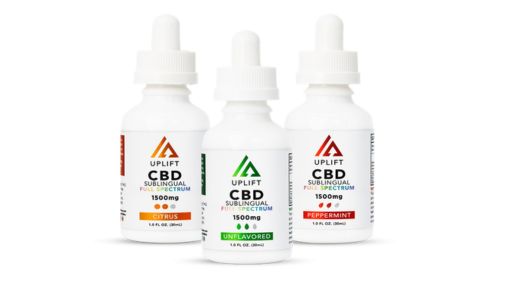
    When choosing a CBD product, it’s crucial to look for quality and transparency. At Uplift CBD, we prioritize sourcing our hemp from trusted farms and ensure that all our products are third-party lab-tested for purity and potency. This way, you can feel confident that you’re getting a high-quality product that aligns with your wellness goals.

    Ready to give CBD a try? Uplift CBD is here to support you on your wellness journey.

    This article was written by a CBD Specialist at Uplift CBD. At Uplift CBD, we strive to provide our customers with the highest level of satisfaction by providing the best quality products.

    We source our naturally occurring cannabinoids from only premium USA hemp farms. Our Delta 8 moonrock is hand-made and carefully formulated to promote a legal, safe alternative to Delta 9 marijuana. They are grown and extracted in the USA. Learn more about disposable vs cart here!

  • How Medical Weight Loss Injections Support Long-Term Health and Wellness

    How Medical Weight Loss Injections Support Long-Term Health and Wellness

    tirzepatide online

    Semaglutide, Tirzepatide, and other medical weight loss injections have changed how we manage obesity and achieve lasting weight loss. These treatments are not only effective in reducing weight but also positively impact long-term wellness and health. Here’s how medical weight-loss injections can improve your overall health.

    1. Sustainable Weight Management

    Weight loss injections help people lose weight and keep it off over time. Semaglutide, Tirzepatide, and other weight loss injections work by improving metabolism and regulating appetite. This can lead to sustainable body weight reduction. Maintaining a healthy weight long-term is important because obesity and its related health conditions pose significant risks.

    2. Improved Cardiometabolic Health

    Weight gain is linked to several cardiometabolic problems, such as high blood pressure, high cholesterol, and type 2 diabetes. Medical weight loss injections can improve blood pressure and cholesterol levels by promoting significant weight loss. For example, Tirzepatide not only aids in weight loss but also enhances insulin sensitivity, making it a good treatment for people with type 2 diabetes.

    3. Enhanced Quality of Life

    Achieving and maintaining a healthy body weight can significantly improve your quality of life. Patients who lose weight through injections often experience better mental health, increased energy, and improved mobility. This can lead to a healthier lifestyle, a reduced risk of depression, and enhanced everyday functioning.

    4. Reduced Risk of Chronic Diseases

    Medical injections for weight management can lower the risk of chronic diseases such as stroke, heart disease, and cancer. These treatments help reduce the health risks associated with obesity by supporting weight loss, improving metabolic health, and lowering body fat.

    5. Support and Monitoring

    Medical weight loss programs provide ongoing support and monitoring to help patients achieve their health goals. Regular follow-ups ensure that the treatment plan is adjusted as needed, helping patients maintain their weight loss.

    Medical weight loss injections not only help people reach their weight loss goals but also improve metabolic health, enhance quality of life, and reduce the risk of chronic diseases.

    This post was written by a professional at Precision Telemed. At Precision Telemed specializes in providing patients with customized and affordable tirzepatide online, Hormone therapy, and Anti-aging treatments. Schedule your virtual tele-health appointment with one of their physicians today!

  • Top Body Care Products for Smooth and Supple Skin

    Top Body Care Products for Smooth and Supple Skin

    Atoderm Shower Oil

    Taking care of your body’s skin is just as important as caring for your face. Your body’s skin is exposed to daily environmental stressors like pollution, dry air, and UV rays, all of which can cause it to lose moisture and become dry, rough, and flaky. A consistent body care routine using the right products can make all the difference in achieving smooth and supple skin. In this article, we’ll explore the top body care products, including body lotions, creams, and oils, that will help you keep your skin hydrated, soft, and radiant.

    Why Body Care is Important

    Your skin is your body’s largest organ, and it needs regular care to stay healthy and youthful. Dry, dehydrated skin can feel tight, itchy, and uncomfortable. Without proper moisture, the skin can also appear dull and develop rough patches or cracks. The key to achieving smooth skin is using the right body care products that moisturize, nourish, and protect the skin’s barrier. Regular exfoliation, hydration, and sun protection are essential steps in keeping your skin looking and feeling its best.

    1. Atoderm Cream for Long-Lasting Hydration

    For those with dry and sensitive skin, Atoderm Cream is an absolute must-have. This ultra-hydrating body lotion is designed to provide intense moisture and repair the skin’s barrier. Formulated with nourishing ingredients like glycerin and niacinamide, it helps restore the skin’s natural hydration while soothing irritation and reducing dryness.

    Atoderm Cream is non-greasy and absorbs quickly into the skin, leaving it feeling soft, smooth, and supple without any sticky residue. Its long-lasting hydration properties make it an ideal choice for daily use, particularly in the colder months when skin tends to lose more moisture.

    Key Benefits:

    • Deep hydration for dry and sensitive skin
    • Restores the skin’s protective barrier
    • Non-greasy, fast-absorbing formula

    2. Atoderm Shower Oil for Gentle Cleansing

    Cleansing is a vital part of any body care routine, but using harsh soaps can strip your skin of its natural oils, leaving it dry and irritated. Atoderm Shower Oil is an excellent alternative for gently cleansing the skin without compromising its moisture levels. This luxurious shower oil transforms into a light, milky lather that effectively cleanses while maintaining the skin’s natural hydration.

    Enriched with plant-based lipids, Atoderm Shower Oil protects the skin from dryness and enhances its elasticity. It’s perfect for people with sensitive or dry skin, as it leaves the skin feeling smooth and moisturized right out of the shower.

    Key Benefits:

    • Gentle, hydrating cleanser for the body
    • Prevents dryness and irritation
    • Softens the skin with a silky, smooth finish

    3. Hydrabio Moisturizing Milk for Radiant Skin

    If you’re looking for a body moisturizer that not only hydrates but also enhances your skin’s radiance, Hydrabio Moisturizing Milk is an excellent choice. This lightweight body lotion is formulated with Aquagenium™, which helps improve the skin’s ability to retain moisture, leaving it soft and glowing.

    The fast-absorbing texture makes it perfect for daily use, especially for those who prefer a light, non-greasy finish. Regular use of Hydrabio Moisturizing Milk helps smooth out rough patches and restores the skin’s natural suppleness, making it a great option for achieving smooth skin year-round. You can use eye contour lift patches. 

    Key Benefits:

    • Lightweight, non-greasy formula
    • Enhances skin radiance and softness
    • Improves the skin’s moisture retention

    4. Atoderm Intensive Baume for Extra Dry Skin

    For those with extremely dry, irritated skin, Atoderm Intensive Baume provides a solution that deeply nourishes and repairs the skin. This rich, fragrance-free balm is specifically designed for very dry to atopic skin, making it a lifesaver for those who struggle with rough, flaky patches and itching.

    Atoderm Intensive Baume contains soothing ingredients like beta-sitosterol and glycerin, which help calm irritation and provide long-lasting hydration. It’s ideal for anyone dealing with eczema or dermatitis, as it helps restore the skin’s natural barrier and locks in moisture to keep the skin soft and smooth.

    Key Benefits:

    • Ultra-rich formula for extremely dry, sensitive skin
    • Calms itching and irritation
    • Repairs and strengthens the skin’s protective barrier

    5. Photoderm After Sun Milk for Sun-Exposed Skin

    After spending time in the sun, your skin needs extra care to recover and rehydrate. Photoderm After Sun Milk is specifically formulated to soothe and replenish sun-exposed skin, providing intense hydration and calming any redness or irritation caused by UV exposure.

    This after-sun lotion contains moisturizing agents that restore the skin’s water content, ensuring that it stays smooth and supple even after sun exposure. The lightweight, non-greasy texture makes it comfortable to apply, and it’s a great addition to your summer skincare routine.

    Key Benefits:

    • Soothes and rehydrates sun-exposed skin
    • Prevents peeling and dryness
    • Lightweight and fast-absorbing

    6. Hydrabio Exfoliating Cream for Smoother Skin Texture

    Exfoliation is an essential part of any body care routine, as it helps remove dead skin cells and allows your moisturizers to penetrate more effectively. Hydrabio Exfoliating Cream is a gentle exfoliant that helps smooth the skin’s texture and reveal a brighter, softer complexion.

    Using natural microbeads, this exfoliating cream buffs away rough patches and impurities without causing irritation, making it suitable for sensitive skin. After exfoliating, follow up with a hydrating body lotion to lock in moisture and maintain your skin’s smoothness.

    Key Benefits:

    • Gently exfoliates to smooth skin texture
    • Suitable for sensitive skin
    • Prepares the skin for better absorption of moisturizers

    Achieving smooth and supple skin requires a combination of the right cleansing, exfoliating, and moisturizing products. Whether you have dry, sensitive, or sun-exposed skin, incorporating hydrating body lotions, shower oils, and after-sun care into your routine can help you maintain soft, radiant skin year-round. By investing in high-quality body care products like Atoderm Cream, Hydrabio Moisturizing Milk, and Photoderm After Sun Milk, you’ll be well on your way to achieving healthy, glowing skin from head to toe.

    Don’t forget that it is very important what you eat. You can combine good food with detox products and immunostimulating tea. It is important for your skin. 

  • From Health Retreat to Emotional Healing – A Journey Through the Hoffman Process

    From Health Retreat to Emotional Healing – A Journey Through the Hoffman Process

    Hoffman Process 

    In the world of wellness retreats, the Hoffman Process stands out as a transformative experience that goes far beyond what most people expect from a traditional health retreat. While many retreats focus solely on physical well-being, the Hoffman Process is an intensive program that dives deep into emotional, psychological, and spiritual healing. For individuals seeking to go beyond surface-level relaxation and address their innermost struggles, this unique approach provides a path to lasting change.

    What Sets the Hoffman Process Apart?

    At first glance, the Hoffman Process may seem like just another health wellness retreats for women or anxiety retreat. However, its methods and philosophy set it apart from most wellness retreats. Rather than simply offering relaxation techniques or stress management tools, the Hoffman Process seeks to resolve long-standing emotional issues that often underlie physical and mental distress.

    Participants in the Hoffman Process are guided through a journey of self-discovery, where they identify and release the negative patterns and behaviors that have been holding them back. These patterns, which often originate in childhood, can manifest as anxiety, depression, or unhealthy coping mechanisms in adulthood. By addressing these deep-rooted issues, the Hoffman Process promotes not only emotional healing but also physical well-being, as emotional health is closely linked to the body’s overall state.

    A Health Retreat with a Focus on Emotional Well-being

    Unlike typical health retreats, which tend to focus primarily on physical fitness or dietary changes, the Hoffman Process is centered on emotional well-being. This doesn’t mean that the physical body is ignored—on the contrary, the retreat recognizes the profound connection between the mind, body, and spirit. Emotional pain and unresolved trauma can often lead to physical ailments, and by addressing the emotional roots of these issues, participants can experience holistic healing.

    During the retreat, participants engage in a variety of exercises designed to promote emotional release and healing. These include guided visualizations, somatic practices, and therapeutic techniques that help participants confront their past experiences and let go of negative emotions. By working through these emotions, participants often find that their physical health improves as well. The release of emotional baggage can reduce stress, lower blood pressure, improve sleep, and even alleviate chronic pain.

    The Anxiety Retreat Element: Breaking the Cycle of Fear

    For many, anxiety is a relentless companion that affects daily life, relationships, and overall well-being. The Hoffman Process incorporates elements of an anxiety retreat, focusing on breaking the cycle of fear and worry that plagues so many individuals. Unlike more traditional anxiety retreats, which might emphasize relaxation exercises or mindfulness, the Hoffman Process goes deeper. It addresses the root causes of anxiety, often linked to learned behaviors and emotional patterns formed early in life.

    Through the Hoffman Process, participants are given the tools to identify these patterns, understand their origins, and begin the process of transforming them. This is done through immersive exercises that encourage self-reflection, emotional release, and cognitive restructuring. By the end of the retreat, participants report a significant reduction in their anxiety levels, as they are no longer burdened by the unconscious patterns that once dictated their fears.

    The Spirit Retreat Component: Awakening the Soul

    One of the unique features of the Hoffman Process is its integration of spiritual practices, making it not only a mental health retreat but also a spirit retreat. This spiritual dimension allows participants to reconnect with their inner selves and find a deeper sense of purpose and meaning in life. Whether through meditation, mindfulness practices, or self-reflective journaling, the Hoffman Process encourages individuals to go beyond their analytical minds and tap into their spiritual essence.

    This doesn’t require participants to adhere to any particular religion or belief system. Instead, the Hoffman Process provides a framework that allows individuals to explore their own spiritual beliefs and find what resonates with them. For many, this results in a profound sense of peace and clarity that lasts long after the retreat has ended. The spiritual awakening that takes place during the Hoffman Process is often described as a reconnection with the soul, helping participants to live more authentically and in alignment with their true selves.

    A Comprehensive Mental Health Retreat

    What makes the Hoffman Process unique is its holistic approach. Unlike many retreats that focus on one aspect of well-being—whether physical, mental, or spiritual—the Hoffman Process integrates all three. It’s not just a health retreat or an anxiety retreat, but a comprehensive program that addresses the whole person. Participants are encouraged to explore their emotions, confront their past, and reconnect with their inner selves in a supportive and structured environment.

    This holistic approach means that participants often leave the retreat feeling transformed on multiple levels. Emotionally, they have let go of past pain and resentment; mentally, they have gained clarity and insight into their patterns and behaviors; and spiritually, they have reconnected with their higher purpose and sense of self. This makes the Hoffman Process a truly unique experience, one that goes far beyond the scope of most health retreats.

    Conclusion: The Hoffman Process as a Path to Emotional Healing

    In conclusion, the Hoffman Process is a powerful blend of an anxiety retreat, spirit retreat, and mental health retreat that offers participants a comprehensive path to emotional and spiritual healing. By addressing both the mental and emotional aspects of well-being, and incorporating spiritual practices, the retreat provides a transformative experience that can lead to profound and lasting change. For those seeking more than just a typical health retreat, the Hoffman Process offers a unique journey into the heart of emotional healing, personal growth, and spiritual awakening.

    Participants in the Hoffman Process leave with not only a greater understanding of themselves but also the tools to continue their journey toward wholeness and inner peace long after the retreat has ended.

  • How to Care for Your Skin After Swimming

    How to Care for Your Skin After Swimming

    Swimming is a great way to stay fit and enjoy the outdoors, but it can take a toll on your skin, especially when exposed to chlorinated pools or salty seawater. Both chlorine and saltwater can strip your skin of its natural oils, leaving it dry, irritated, and vulnerable to damage. To keep your skin healthy and hydrated after swimming, it’s essential to follow a proper post-swimming skincare routine. Here are some key tips on how to care for your skin after swimming, ensuring it stays soft, moisturized, and protected.

    1. Rinse Off Immediately After Swimming

    The first step in your post-swimming skincare routine is to rinse off as soon as possible. Chlorine and saltwater can linger on your skin long after you’ve left the pool or ocean, causing dryness and irritation. Head to the shower immediately after your swim and use lukewarm water to rinse off thoroughly.

    A quick rinse removes harmful chemicals like chlorine or salt from your skin’s surface, preventing them from drying out your skin or causing further irritation. For an added benefit, consider using a gentle chlorine-removal body wash to neutralize any residual chlorine that may be left behind.

    2. Cleanse with a Gentle Body Wash

    After rinsing off, cleanse your skin with a gentle, hydrating body wash that doesn’t strip away your skin’s natural oils. Look for products free from sulfates, which can further dry out your skin. Instead, opt for cleansers that contain soothing ingredients like aloe vera, glycerin, or coconut oil.

    If you’ve been swimming in a pool, it’s important to cleanse thoroughly to remove any chlorine residue that can cause long-term damage to your skin. Cleansing also ensures that any salt, sand, or debris from the ocean is washed away, preventing irritation.

    3. Exfoliate Gently

    Swimming, especially in saltwater, can lead to the accumulation of dead skin cells, leaving your skin looking dull and feeling rough. Exfoliating your body once or twice a week after swimming can help remove these dead cells, revealing smoother, softer skin. However, be sure to use a gentle exfoliant, as your skin may already be sensitive from the chlorine or salt exposure.

    Choose an exfoliator with fine particles or a chemical exfoliant containing alpha-hydroxy acids (AHAs), like lactic acid, which can gently exfoliate without irritating the skin. Avoid harsh scrubs that may cause micro-tears, especially on sensitive post-swim skin.

    4. Moisturize Immediately After Showering

    Hydration is key to repairing skin after swimming. Both chlorine and saltwater can strip your skin of moisture, leading to dryness, flakiness, and tightness. After showering, apply a rich moisturizer or body lotion or body cream for normal to dry skin to your damp skin to lock in moisture. Look for moisturizers containing hyaluronic acid, shea butter, ceramides, or glycerin, which help restore the skin’s hydration and barrier function.

    If you have particularly dry or sensitive skin, consider using a body oil or body butter or arnica body cream for extra nourishment. Applying moisturizer while your skin is still slightly damp ensures better absorption and long-lasting hydration.

    5. Soothe Skin with Aloe Vera

    If your skin feels irritated, tight, or sunburned after swimming, applying aloe vera gel can help soothe and calm the skin. Aloe vera has natural anti-inflammatory and hydrating properties, making it an excellent remedy for post-swim irritation or minor sunburn. You can use pure aloe vera gel or a lotion that contains a high concentration of aloe to soothe any redness or sensitivity.

    Aloe vera also works well for people with sensitive skin, helping to reduce any irritation caused by chlorine or saltwater without adding further chemicals to the skin.

    6. Stay Hydrated

    Proper skin hydration doesn’t just come from the outside; it also depends on how much water you drink. Swimming in chlorinated pools or salty oceans can dehydrate your body and skin, so it’s important to drink plenty of water after your swim. Staying hydrated helps replenish moisture lost during your swim and keeps your skin looking plump and healthy.

    Eating water-rich foods like cucumbers, watermelon, and leafy greens can also boost hydration levels and help maintain your skin’s moisture balance.

    7. Apply Sunscreen (Even After Swimming)

    If you’ve been swimming outdoors, it’s important to reapply sunscreen after your swim. UV rays can still cause skin damage, even after you’ve dried off. Choose a broad-spectrum sunscreen with at least SPF 30 and apply it generously to any exposed skin, especially if you plan on spending more time outdoors.

    Look for a sunscreen that is water-resistant, which provides better protection during swimming, and one that contains skin-nourishing ingredients to prevent further drying.

    8. Protect Your Skin from the Elements

    If you’re swimming frequently, it’s essential to protect your skin from prolonged exposure to chlorine, salt, and UV rays. Consider wearing protective swimwear like rash guards or long-sleeved swim shirts, especially if you have sensitive skin. These can help minimize direct contact with harsh chemicals and protect your skin from the sun’s rays.

    You can also use a pre-swim barrier cream or oil to create a protective layer on your skin, reducing the absorption of chlorine or saltwater. These products can help prevent post-swim dryness and irritation.

    Caring for your skin after swimming is essential for maintaining hydration, preventing irritation, and repairing damage caused by chlorine or saltwater. By rinsing off immediately, moisturizing your skin, and applying soothing treatments like aloe vera, you can ensure that your skin stays soft, healthy, and protected after every swim. Incorporating these simple post-swimming skincare tips into your routine will help you enjoy your time in the water while keeping your skin hydrated and glowing.

  • Neurology And Aging: What The Elderly Should Know

    Neurology And Aging: What The Elderly Should Know

    concussion connecticut

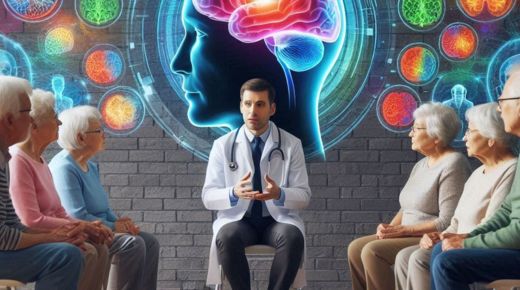
    Welcome to the complex world of neurology and aging. As we age, our brains change. It’s a fact we cannot deny. The brain shrinks and the nerve cells lose their connections. This process can cause some common problems in the elderly. In this blog, we are going to talk about these aspects. For instance, we will explore how a concussion connecticut case can help us understand the impact of brain injury in the elderly. We will also delve into the ways we can protect and maintain our brain health as we grow older.

    The Brain’s Changing Landscape

    As we age, the brain undergoes many changes. Some changes are natural, while others can signal potential problems. Understanding these changes can help us navigate the road to aging gracefully.

    Common Effects of Aging on The Brain

    The most common effect of aging on the brain is cognitive decline. Memory and thinking skills may decrease over time. Problems with movement and coordination can also occur. Some people may even experience changes in their mood or behavior.

    How to Protect Your Brain

    Protecting your brain health begins with a healthy lifestyle. Regular exercise, a balanced diet, and sufficient sleep are all crucial. Staying socially active and mentally stimulated are equally important. Engaging in activities that challenge the brain can aid in maintaining its health.

    Understanding Concussions in the Elderly

    A concussion is a mild form of traumatic brain injury. It is usually caused by a blow to the head. Elderly individuals may be more vulnerable to concussions due to falls. Recovering from a concussion can take longer in older adults.

    ‘Concussion Connecticut’—A Case Study

    The ‘concussion Connecticut’ case is a prime example of the impact of concussions on the elderly. This case study can help us understand the importance of prompt treatment and rehabilitation in elderly concussion patients.

    Conclusion

    Understanding the effects of aging on the brain can help us take steps to protect our brain health. Remember, it’s never too late to start.

  • Beyond Traditional Methods: Exploring Innovative Treatment Options in Orthopedic Care

    Beyond Traditional Methods: Exploring Innovative Treatment Options in Orthopedic Care

    orthopedic care

    Over the past few years, advancements in medical technology have significantly impacted various fields—and orthopedic care is no exception. As healthcare providers strive to deliver better outcomes for patients, innovative treatment options have emerged, transforming the landscape of orthopedic surgery and rehabilitation. These innovations not only promise improved recovery times and enhanced patient experiences but also signal a future filled with even greater possibilities for optimizing musculoskeletal health.

    In this blog post, we’ll discuss the latest breakthroughs in orthopedic care, from cutting-edge surgical techniques and regenerative therapies to the integration of virtual reality and personalized rehabilitation programs.  Read on!

    Minimally Invasive Surgery

    One of the most notable trends in orthopedic care is the shift toward minimally invasive surgical techniques. These procedures require smaller incisions, which means less trauma to surrounding tissues, reduced risk of infection, and quicker recovery times for patients.

    Surgeons use advanced cameras and precision instruments to perform complex surgeries, like joint replacements or spinal fusions, with greater accuracy and minimal disruption to healthy tissue. This approach preserves the patient’s natural anatomy and facilitates faster rehabilitation, getting patients back on their feet in record time.

    Robotic-Assisted Surgery

    The introduction of robotic-assisted surgeries marks another breakthrough in orthopedic care. Robots can perform complex tasks with a level of precision that surpasses human capability. In orthopedic surgeries, robots assist surgeons by providing detailed 3D images of the surgical site and guiding instruments with exceptional steadiness.

    This level of precision is particularly beneficial in procedures such as hip and knee replacements, where proper alignment is crucial for long-term success. Patients benefit from shorter hospital stays, less pain, and faster recovery periods, making robotic-assisted surgeries a game-changer in the industry.

    Regenerative Medicine

    Regenerative medicine is transforming orthopedic care by offering solutions that promote the body’s natural healing processes. Treatments such as platelet-rich plasma (PRP) therapy and stem cell therapy have shown promising results in repairing damaged tissues and accelerating recovery.

    PRP therapy involves injecting concentrated platelets from the patient’s own blood into the affected area to stimulate tissue regeneration. Meanwhile, stem cell therapy leverages the body’s innate ability to heal by using undifferentiated cells to rejuvenate damaged cartilage, tendons, and bones. These therapies are particularly appealing as they can be less invasive and support natural recovery, minimizing the need for more invasive surgical options.

    Advanced Imaging Techniques

    The role of imaging technology in orthopedic care cannot be overstated. Modern imaging techniques, like magnetic resonance imaging (MRI) and computed tomography (CT) scans, provide orthopedic specialists with highly detailed views of musculoskeletal injuries. However, recent advancements have introduced even more precise imaging options such as 3D imaging and arthrography.

    These technologies allow for accurate diagnosis and effective treatment planning by delivering comprehensive insights into complex injuries. As a result, patients receive more personalized care that addresses the specific nuances of their condition, ultimately leading to better outcomes.

    Bioengineered Implants

    Bioengineering has opened new horizons for implant technology in orthopedic care. Researchers are developing implants made from bioresorbable materials that are gradually absorbed by the body, reducing long-term complications associated with traditional metal implants.

    Additionally, custom 3D-printed implants are designed to match the unique anatomy of each patient, ensuring a perfect fit and improving the integration with existing bone structures. These innovations in implant technology enhance not only the success rates of orthopedic surgeries but also the quality of life for patients.

    Personalized Rehabilitation Programs

    The future of orthopedic care lies in personalized rehabilitation programs that are tailored to meet the specific recovery needs of each patient. Advances in wearable technology and data analytics allow healthcare providers to closely monitor patients’ progress and adjust treatment plans accordingly.

    These custom programs guarantee that patients are engaging in activities that promote healing and prevent re-injury. By focusing on the individual, orthopedic care can deliver more successful outcomes, helping patients regain mobility and return to their daily lives faster.

    Driven by innovative treatment options that improve patient outcomes and enhance the quality of care, the field of orthopedic care is undergoing remarkable transformations. As technology continues to advance, the potential for even more groundbreaking solutions in orthopedic care is limitless. Patients can look forward to a future where recovery is faster, less painful, and more effective than ever before.

  • The Advantages of ABA Therapy: Changing Lives Through Behavioral Therapy

    The Advantages of ABA Therapy: Changing Lives Through Behavioral Therapy

    autism treatment options

    Applied Behavior Analysis (ABA) therapy is a method widely acknowledged for its impact on addressing different developmental and behavioral difficulties, especially in individuals with autism spectrum disorder (ASD). This approach emphasizes skill building and reducing behaviors through learning principles and behavior modification systems. The benefits of ABA services go beyond changes in behavior: they promote lasting growth and enhance the quality of life for individuals and their families.

    Understanding ABA Therapy

    At its essence, ABA focuses on understanding how behavior is influenced by the environment. By observing and analyzing behavior patterns, therapists can pinpoint triggers and develop strategies to reinforce behaviors while reducing harmful or disruptive ones. ABA’s adaptability enables it to be customized to meet each individual’s needs, creating a treatment plan that aligns with their unique circumstances.

    Key Advantages of ABA Therapy

    1. Enhanced Communication Skills

    A primary strength of ABA therapy is its ability to improve communication skills. Many individuals with ASD face challenges in language development, making verbal communication difficult. ABA employs trial training and natural language acquisition to promote verbal and nonverbal communication skills. When clients break down communication into steps, they can gradually gain confidence and improve their ability to express their needs and thoughts.

    2. Social Skills Development

    Interacting socially can be challenging for people with autism, leading to feelings of isolation. autism treatment options help develop skills through activities like role-playing, social stories, and guided interactions. These methods not only teach social behaviors but also give clients the chance to practice these skills in real-life situations. This helps individuals become better at forming and maintaining relationships, ultimately improving their abilities.

    3. Reduction of Problematic Behaviors

    ABA is effective in addressing challenging behaviors that may hinder learning and socializing. Therapists can conduct behavior assessments to pinpoint the reasons behind these behaviors and create targeted interventions. By reinforcing behaviors and teaching alternative coping strategies, individuals learn to replace harmful actions with more positive ones. This creates an environment for learning and promotes self-regulation and emotional balance.

    4. Academic Success

    ABA services play a role in success by instilling skills such as attention, focus, and perseverance. Structured learning environments and personalized lesson plans in applied behavior analysis (ABA) support individuals in overcoming learning challenges and enable them to participate in settings. By mastering material, people experience a sense of achievement and motivation, laying the groundwork for their future educational endeavors.

    5. Enhanced Independence

    Independence plays a role in growth, and ABA therapy plays a key role in fostering self-reliance. By teaching life skills like grooming, cooking, and financial management, individuals enhance their ability to navigate their surroundings autonomously. This empowerment boosts self-confidence. It also equips clients for adulthood, where independence is crucial for decision-making and goal pursuit.

    6. Family Engagement and Education

    The benefits of ABA therapy extend to families well. Many programs involve parents through training and educational materials to ensure they can support their loved ones’ progress at home. This collaborative approach promotes unity and understanding within the family unit, reducing stress and creating a nurturing environment for development.

    7. Comprehensive Well-being Approach

    ABA services prioritize well-being by addressing behavioral issues and the emotional and psychological aspects of an individual’s life. By incorporating mindfulness techniques, emotional management strategies, and coping mechanisms into therapy sessions, people can enhance their ability to handle emotions and responses efficiently. This comprehensive approach results in improved relationships and a stronger sense of self.

    8. Flexibility and Adaptability

    One notable aspect of ABA therapy is its adaptability. It can be implemented in homes, schools, and community spaces. This flexibility allows for transferring skills across environments, reinforcing learning and encouraging application in diverse situations. As individuals practice these skills in settings, they gain competence and confidence in their capacity to function independently.

    9. Data-Driven Progress Monitoring

    ABA services rely on data tracking and analysis to monitor progress effectively. By assessing changes in behavior, therapists can make decisions regarding treatment adjustments. This evidence-based method ensures that individuals receive tailored interventions that are relevant and beneficial to their needs, ultimately maximizing positive outcomes over time.

    Through ABA therapy, individuals are empowered to make choices by honing their decision-making abilities. This process promotes autonomy and self-advocacy. As clients learn to communicate preferences and understand the implications of their options, they cultivate a sense of control over their lives. 

    10. Empowerment Through Choice

    ABA therapy empowers individuals by promoting choice-making skills. The process of making decisions fosters autonomy and encourages self-advocacy. As clients learn to express their preferences and understand the consequences of their choices, they develop a more profound sense of agency in their lives. This empowerment cultivates confidence, resilience, and a proactive attitude towards their personal development.

    In conclusion

    Move Up ABA services’ significant and widespread impact on individuals facing behavioral challenges is profound. By enhancing communication, social abilities, independence, and emotional well-being, ABA therapy sets the foundation for an enriched existence. The positive effects extend to families and communities, forming an environment that fosters progress and empathy. By prioritizing tailored and evidence-based care, ABA services serve as a beacon of hope for individuals striving to overcome hurdles and realize their potential.

    Therefore, raising awareness about the benefits of ABA therapy is crucial in fostering inclusivity and acceptance for individuals with autism and other developmental disabilities.

    Every individual deserves the chance to flourish, and ABA services offer a path toward achieving this objective. Let us persist in advocating for intervention and assistance for those needing the necessary tools and support to lead fulfilling lives. The impact of ABA therapy transcends improvements; it empowers individuals to unlock their full potential and lead joyful, purposeful lives.

  • The Growing Role of Virtual Assistants in Chronic Disease Management

    The Growing Role of Virtual Assistants in Chronic Disease Management

    As the world becomes increasingly digital, so does healthcare. With the rise of telemedicine and remote patient monitoring, it’s no surprise that virtual assistants also play a growing role in chronic disease management. These intelligent software programs are designed to provide personalized support and guidance to patients with chronic conditions, making self-management easier and more effective. In this article, we will explore the role of remote patient monitoring virtual assistants in chronic disease management and their potential impact on improving patient outcomes.

    Chronic diseases, such as diabetes, heart disease, and COPD, are long-lasting conditions that require ongoing medical attention. These conditions often have no cure and can significantly impact a person’s quality of life. According to the Centers for Disease Control and Prevention (CDC), six in ten adults in the United States have at least one chronic disease, while four in ten have two or more. This high prevalence of chronic diseases highlights the need for effective management strategies.

    Traditionally, patients with chronic conditions rely on periodic visits to their healthcare provider for check-ups and medication adjustments. However, this model of care has several limitations. Traveling to a healthcare facility can be time-consuming and inconvenient for patients, especially if they have mobility issues or live in remote areas. Additionally, these brief appointments may not provide enough support and guidance for patients to manage their condition effectively on a daily basis.

    This is where virtual assistants come in. These natural language processing (NLP) to interact with patients and provide personalized support. They can be accessed through various devices such as smartphones, tablets, or smart speakers, making them convenient and accessible anytime for patients.

    One key benefit of using virtual assistants in chronic disease management is their ability to provide continuous support and monitoring. In real-time, these programs can collect and analyze patient data, such as blood sugar levels or heart rate. This allows for early detection of any changes or trends that may indicate a need for intervention. For example, a virtual assistant may alert a healthcare provider if a patient’s blood glucose levels are consistently high, allowing for timely adjustments to their treatment plan.

    Moreover, virtual assistants can provide patients with personalized education and self-management strategies based on their conditions and needs. These strategies can include medication reminders, tracking symptoms, or engaging in healthy behaviors like exercise and diet modifications. By empowering patients with knowledge and tools to better manage their condition, virtual assistants can help improve their overall health outcomes.

    The use of virtual assistants in chronic disease management also has the potential to reduce healthcare costs. According to a study published in the Journal of Medical Internet Research, patients with diabetes who used a virtual assistant for self-management saw a significant reduction in medical expenses compared to those who did not. Virtual assistants can help prevent hospitalizations and emergency room visits by detecting and addressing issues early on.

    Another benefit of virtual assistants is their ability to personalize care for each patient. These programs can analyze large amounts of data from various sources, such as electronic health records, wearable devices, and patient-reported data. This allows for a more comprehensive understanding of the patient’s condition and needs, leading to more tailored and effective care plans.

    Despite these promising benefits, some challenges need to be addressed for virtual assistants to reach their full potential in chronic disease management. One of the main concerns is privacy and security. As virtual assistants collect and store sensitive patient information, it’s crucial to comply with strict data protection regulations. Healthcare organizations must also have clear policies regarding using and storing patient data collected by virtual assistants.

    Additionally, there is a concern about how patients will interact with these programs and if they will trust them enough to follow their recommendations. To address this issue, it’s essential to involve patients in developing and testing virtual assistant programs to ensure they are user-friendly and meet their needs.

    What is a Virtual Assistant?

    A virtual assistant (VA) is an application or software program that can perform tasks or services for an individual based on verbal commands or programmed instructions. They utilize natural language processing (NLP) to understand and respond to human voice or text input.

    Virtual assistants have been around for years, with famous examples such as Apple’s Siri and Amazon’s Alexa. However, they are now being utilized in healthcare to support patients with chronic conditions. These virtual assistants can be accessed through various devices, including smartphones, tablets, and smart speakers, making them easily accessible for patients at any time.

    The Benefits of Using Virtual Assistants in Chronic Disease Management

    Virtual assistants in chronic disease management have many potential benefits for patients and healthcare providers.

    Improved Patient Engagement

    One significant benefit of using virtual assistants is improved patient engagement. With personalized guidance and support at their fingertips, patients are more likely to actively engage in self-management strategies, leading to better health outcomes and reducing the need for frequent hospital visits.

    Increased Efficiency

    Virtual assistants can also help increase efficiency in chronic disease management. They are available 24/7, allowing patients to access support and guidance anytime without waiting for an appointment or a call back from their healthcare provider. This saves time and frees up healthcare providers’ schedules, allowing them to focus on more critical tasks.

    Cost Savings

    Virtual assistants in chronic disease management can also result in cost savings for patients and healthcare systems. Virtual assistants can lower overall healthcare costs by reducing the need for frequent hospital visits and streamlining communication between patients and providers.

    In addition, virtual assistants can help patients better understand their conditions and treatment plans, potentially reducing the risk of costly complications.

    Personalized Care

    Virtual assistants can analyze large amounts of data and provide personalized care for each patient. This can lead to more effective treatment plans tailored to patients’ needs, improving overall health outcomes.

    Challenges and Considerations

    While virtual assistants have many potential benefits, they also face challenges that need to be addressed for them to reach their full potential in chronic disease management.

    Privacy and Security Concerns

    One of the main concerns with using virtual assistants is privacy and security. As they collect and store sensitive patient information, it’s crucial to ensure that they comply with strict data protection regulations. Healthcare organizations must also have clear policies regarding using and storing patient data collected by virtual assistants.

    Patient Trust and Acceptance

    There is also a concern about how patients will interact with virtual assistants and if they will trust them enough to follow their recommendations. To address this, it’s essential to involve patients in developing and testing these programs to ensure they are user-friendly and meet their needs.

    Integration with Existing Healthcare Systems

    Integrating virtual assistants into existing healthcare systems can also be a challenge. Collaboration between healthcare providers, IT departments, and developers is required to ensure smooth communication and compatibility.

    The Role of Virtual Assistants in Remote Patient Monitoring

    Remote patient monitoring (RPM) is a form of telehealth that uses digital technologies to collect healthcare data from patients in one location and transmit it to healthcare providers in another area for assessment. Virtual assistants are increasingly crucial in RPM because they facilitate communication between patients and providers and provide ongoing self-management support. They can also collect and transmit data from various medical devices, making RPM more efficient and accurate.

    Data Collection

    Virtual assistants can collect vital signs such as blood pressure, heart rate, and glucose levels through smartwatches or glucometers. This data is then transmitted to healthcare providers for monitoring and analysis. This allows for more frequent and accurate monitoring of patients’ conditions, leading to early detection of potential issues and timely interventions.

    Medication Adherence

    Managing medications can be challenging for patients with chronic conditions, but virtual assistants can help. Virtual assistants can ensure patients take their medications as prescribed by providing reminders and tracking medication adherence. This can lead to better health outcomes and reduce the risk of complications or hospitalizations.

    Education and Support

    Virtual assistants can also educate and support patients with chronic conditions. They can answer questions about a patient’s condition, treatment plan, or lifestyle changes and provide personalized recommendations based on the patient’s data. This can help patients better understand and manage their condition, improving health outcomes.

    Potential Challenges

    While virtual assistants’ use in chronic disease management has many benefits, some potential challenges need to be addressed.

    Privacy and Security Concerns

    One primary concern with using virtual assistants in healthcare is privacy and security. Since they collect sensitive patient data, there is a risk of unauthorized access or misuse. Healthcare systems must ensure proper security measures are in place to protect this data from cyber threats.

    Limited Human Interaction

    Virtual assistants may not be able to provide the same level of human interaction as healthcare providers. While they can offer personalized guidance and support, they cannot replace the empathy and understanding that comes with human interaction. This may be a barrier for some patients, especially those who prefer face-to-face interactions.

    Technological Barriers

    Not all patients have access to the necessary technology or skills to use virtual assistants effectively. This may create a digital divide, with patients from lower-income or older populations unable to benefit from this technology. Healthcare systems must ensure that all patients have equal access to virtual assistants for chronic disease management.

    Conclusion

    DocVA virtual assistants have the potential to revolutionize chronic disease management by providing personalized support and guidance to patients. They can improve patient engagement, increase efficiency, and lead to cost savings in healthcare. However, some challenges, such as privacy concerns and limited human interaction, need to be addressed. With proper measures, virtual assistants can be crucial in remote patient monitoring and chronic disease management. So, healthcare systems need to embrace this technology and integrate it into their care plans for patients with chronic conditions. Overall, virtual assistants have the potential to significantly improve the lives of patients and enhance healthcare delivery. So, it is important to continue exploring and developing this technology responsibly and ethically.