Category: Dental

  • A Comprehensive Guide to Teeth Whitening – Your Secret To A Dazzling Smile

    A Comprehensive Guide to Teeth Whitening – Your Secret To A Dazzling Smile

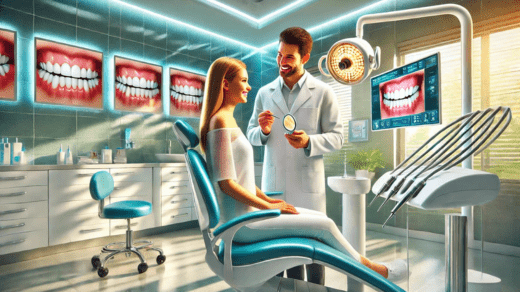
    Teeth whitening in Arlington Heights is a popular cosmetic dental procedure that can enhance the appearance of your smile. With so many options available, it can be overwhelming to choose the right one. In this comprehensive guide, we will explore the different types of teeth whitening, their benefits, and what to expect from the process.

    What is teeth whitening?

    Teeth whitening, also known as dental bleaching, is a cosmetic dental procedure that aims to lighten the color of teeth and remove stains, resulting in a brighter and more radiant smile. It involves the application of a bleaching agent, typically hydrogen peroxide or carbamide peroxide, to the teeth, which penetrates the tooth enamel and dentin to break down and dissolve chromogens, the molecules responsible for tooth discoloration. Teeth whitening can be performed in a professional dental setting or at home using various products, and its effects can last from a few months to several years, depending on individual factors, such as oral hygiene habits and lifestyle choices. By effectively reducing tooth discoloration and stains, teeth whitening can greatly enhance the appearance of teeth, boosting self-confidence and overall oral aesthetics.

    Types of teeth whitening

    • Professional In-Office Whitening: This is the most effective and fastest way to whiten teeth. A dentist applies a high-concentration bleaching gel and activates it with a special light.
    • At-Home Whitening Kits: These kits contain lower concentrations of bleaching gel and are available for purchase at pharmacies or through dentists.
    • Whitening Toothpaste and Mouthwash: These products contain mild abrasives and hydrogen peroxide to gently whiten teeth.

    When is teeth whitening recommended?

    Teeth whitening is recommended in the following situations:

    • Yellow or brown teeth: Whitening can help remove stains and brighten teeth.
    • Stains from coffee, tea, or wine: Regular consumption can cause discoloration.
    • Tobacco stains: Whitening can help remove nicotine and tar stains.
    • Aging: Teeth naturally darken with age; whitening can reverse this.
    • Special occasions: Enhance your smile for events like weddings, graduations, or job interviews.
    • Cosmetic enhancement: Improve self-confidence and overall smile appearance.
    • Before dental work: Whitening can be done before veneers, crowns, or bonding for optimal results.
    • After dental cleaning: Whitening can be more effective after a professional cleaning.
    • To maintain existing whitening: Regular touch-ups can maintain desired results.

    However, teeth whitening may not be recommended for:

    • Sensitive teeth or gums
    • Worn enamel
    • Exposed roots
    • Cavities or tooth decay
    • Pregnancy or breastfeeding
    • Gum recession
    • Dental work like fillings, crowns, or bonding

    What are the benefits of teeth whitening?

    Benefits of teeth whitening include: 

    • Improved appearance: Whiter teeth can boost self-confidence and enhance your smile.
    • Boosted self-esteem: A brighter smile can make you feel more attractive and confident.
    • Professional and social benefits: A whiter smile can make a great first impression in professional and social settings.

    What to expect from the process?

    Here is a comprehensive list of steps involved in the process of teeth whitening:

    • Consultation: Discuss your options with a dentist to determine the best course of treatment.
    • Preparation: Your dentist will clean your teeth and remove any plaque or tartar.
    • Application: The bleaching gel is applied to your teeth, and a special light may be used to activate it.
    • Results: You can expect to see results immediately, with optimal results after a few days.

    Tips and precautions

    • Sensitivity: Teeth whitening can cause sensitivity, but this is usually temporary.
    • Maintenance: Regular touch-ups are necessary to maintain results.
    • Diet: Avoid stain-causing foods and drinks to prolong results.
    • Professional supervision: Always consult a dentist before starting teeth whitening treatment.

    Teeth whitening is a safe and effective way to enhance your smile. By understanding the different options and what to expect, you can make an informed decision and achieve the results you desire. Remember to always consult a dentist for professional supervision and guidance.
  • Exploring the Possibilities of Holistic Dentistry in San Juan Capistrano

    Exploring the Possibilities of Holistic Dentistry in San Juan Capistrano

    The principles, services, and patient expectations of holistic dentistry distinguish it as a unique and popular alternative to traditional dental practices. A holistic dentist in San Juan Capistrano is an essential factor for its popularity. Holistic dentistry, with its unique advantages and differences from conventional dentistry, offers prospective patients in San Juan Capistrano considering a comprehensive approach to dental care, a wealth of knowledge about this specific method.

    Postulation of Holistic Dentistry

    Holistic Dentistry, also known as biological or integrative dentistry, establishes the relationship between oral health and an individual’s overall well-being. This treatment procedure aims to treat the patient as a whole and does not facilitate the addressing of isolated dental issues. 

    A holistic dentist, a medical expert practicing alternative dental procedures, places the patient at the center of their care. They typically adopt natural therapies as medical care choices, integrating natural and non-toxic treatment procedures to promote long-term health. Above all, they support the idea of comprehensive treatment, considering a person’s oral hygiene as related to their health.

    Basic Tenets of Holistic Dental Care

    Traditional dentists focus primarily on the patient’s oral health, while holistic dentists take a more comprehensive approach, considering the patient’s symptoms in the context of their entire body. This approach empowers the patient, making them an active participant in their own health. Here are some of the key principles that guide this patient-centered approach to dentistry: 

    • The main principle of holistic dentistry is to view oral health as interconnected with a person’s overall health. 
    • Holistic dentistry aims to treat both symptoms and root causes of dental issues.
    • Holistic dentists use biocompatible, non-toxic materials like composite resins and ceramics for treating tooth decay. 
    • The holistic approach emphasizes implementing preventive care and lifestyle changes to maintain oral health for the patients. 
    • Holistic dentists advocate for conservative treatments to preserve natural tooth structure and function.

    Holistic dental care providers prioritize personalized care and collaborative treatment plans, ensuring that each patient’s unique health needs are considered and addressed.

    Proceedings of Holistic Dentistry

    The dentists of San Juan Capistran believe in the foundation of holistic dentistry, and patients can expect a comprehensive initial consultation before opting for specific treatment plans. During the initial consultation, doctors review the patient’s medical history, lifestyle factors, and any current health concerns. 

    Digital visualization tools and 3D imaging techniques can test the health of the oral cavity and jawline. The dentists will then suggest a plan that may include a combination of dental treatments, dietary recommendations, and lifestyle modifications. The main aim of holistic dentists is to support the patient’s overall health and well-being without overlooking the immediate dental concerns.

    Patients can expect any restorative work, such as fillings or crowns, to be done with mercury amalgam fillings, composite resins, or ceramic materials. These materials are naturally derived and both aesthetically pleasing and safe for the body. Holistic dentists guide natural remedies to maintain oral health through brushing, flossing, and dietary choices.

    Perks of Holistic Dentistry

    Holistic Dentistry involves discussing how oral health impacts other aspects of health, such as digestion or immune function. Holistic dentists may also provide recommendations to the patients on different ways to improve overall health, such as incorporating more nutrient-rich foods into the diet or reducing exposure to environmental toxins. Some more benefits are listed below:

    • Holistic dentistry aims to improve health through non-toxic materials and preventive care.
    • It facilitates the use of naturally occurring materials in dental care and reduces the risk of adverse reactions with biocompatible materials.
    • Holistic dentists enhance patient comfort through minimally invasive procedures and help reduce healing time.
    • Holistic dentistry provides personalized care that considers each patient’s unique health needs.
    • This approach emphasizes preventive care and lifestyle modifications to avoid common dental problems and maintain optimal oral health.

    Holistic dentistry is a comprehensive approach to dental care that prioritizes oral health and general well-being. It incorporates tailored therapy regimens, nonhazardous materials, and less invasive methods. It is an increasingly joint replacement to standard procedures and improves patient experience.

  • Benefits of Porcelain Veneers for the Perfect Smile in Springfield, VA

    Benefits of Porcelain Veneers for the Perfect Smile in Springfield, VA

    Springfield, VA cosmetic dentists have made it easier than ever to get the ideal smile in Springfield, Virginia. Porcelain veneers are among the most well-liked and efficient procedures for improving your smile. These thin, custom-made porcelain shells are intended to cover the front of your teeth, offering a long-lasting, aesthetic fix for a range of dental flaws. Here are some more advantages of porcelain veneers and the reasons they can be the best choice for you.

    1. A Natural Appearance

    Porcelain veneers are thought of as the closest replication there is to actual teeth and their appearance. Porcelain is a material that closely mimics the enamel of your teeth, hence similarly refracts light making them highly esthetic. Springfield, VA dental experts will pay special attention to the color of your veneers so they blend in well with your natural tooth and won`t look too artificial.

    2. Durability and Longevity

    You will not only get a beautiful smile with the help of this cosmetic treatment but your teeth veneers also act as an armor to protect against damage, allowing visible results to last for 10+ years. Typically, veneers should last anywhere from 10 to 15 years with proper maintenance which means that in some cases they can be even longer-lasting than dental implants.

    3. Flexibility in Handling Dental Problems

    For a variety of aesthetic dental problems, porcelain veneers are an adaptable option. Veneers are a great way to cover up dental flaws such as chipped, cracked, or deformed teeth, giving you a consistent and attractive smile. They provide a non-invasive substitute for braces or other orthodontic treatments by helping to fill tiny gaps between teeth and correct minor misalignments. 

    4. Minimal Tooth Alteration

    One of the most important benefits of porcelain veneers is that they necessitate little or no removal of your natural teeth. Unlike a crown, where you have to change or reshape part of the remaining tooth Veneers are minimally invasive—only removing 0.5mm enamel from the front surface Thus, veneers provide a more conservative means by which to enhance your smile without necessarily requiring extensive tooth preparation.

    5. Boost in Self-Confidence

    A beautiful smile can add immense self-confidence. Do you feel uncomfortable when it comes to flashing your teeth? Porcelain veneers will make over your smile while enhancing your overall look. Most who have had veneers in Springfield, VA will tell you they smile wider and feel more at ease socially or professionally.

    6. Quick and Painless Procedure

    Having porcelain veneers placed is a relatively simple and painless procedure. In most cases, the process can be performed in only two visits to your dentist at our Springfield office.

    7. Adjustable to your preference

    Your ideal smile can be much more easily realized using completely customized porcelain veneers. Your dentist can help customize the shape, size, and color of your veneers with you. By giving you a check that your veneers not only improve your smile but also match the appearance of your face to look more natural and in the right proportion.

    For those in Springfield, Virginia looking to enhance their smile, porcelain veneers have many advantages. Veneers are a great way to get the ideal smile because of their natural look, resilience, adaptability, and low level of invasiveness. Speak with a local Springfield dentist if you’re thinking about getting cosmetic dental work done to find out if porcelain veneers are the best option for you. Your veneers may give you a bright, self-assured smile for years to come with proper maintenance.

  • Understanding Dental Crowns for Kids and Why They Matter

    Understanding Dental Crowns for Kids and Why They Matter

    Ensuring your child’s oral health is fundamental to their overall well-being. One aspect of dental care that sometimes surfaces for young ones is the need for dental crowns. But what exactly are these crowns, and when do they become a necessity? This blog post by Dentistry at The Grove aims to demystify dental crowns for kids, providing you with a comprehensive understanding of why they might be needed and how they can benefit your child.

    What Are Dental Crowns for Kids?

    Dental crowns are custom-made caps that fit over a tooth to restore its shape, size, strength, and appearance. In pediatric dentistry, these crowns play a crucial role in protecting young teeth that may be compromised by decay or injury.

    Types of Dental Crowns for Children

    There are several types of dental crowns available for children, each with its own material and purpose. Stainless steel crowns are commonly used for their durability and cost-effectiveness, especially on molars. Composite strip crowns offer a more natural look, ideal for front teeth, while zirconia crowns provide a strong, aesthetically pleasing option. Your pediatric dentist will recommend the best type based on your child’s specific needs.

    How Crowns Are Placed and Their Lifespan

    The placement of crowns involves a straightforward procedure where the dentist reshapes the affected tooth, takes an impression, and then fits the customized crown. The lifespan of these crowns depends on several factors, including the child’s oral habits and hygiene, but generally, they can last for several years, serving as a robust barrier against further damage.

    When Are Dental Crowns Necessary for Kids?

    Understanding when dental crowns are necessary can help parents make informed decisions about their child’s oral health.

    Common Reasons for Dental Crowns

    Children might need dental crowns for a variety of reasons, including extensive tooth decay, after a root canal treatment, or to repair damaged teeth from accidents. Early intervention is often critical to prevent complications and ensure the tooth’s functionality.

    Dental Conditions Requiring Crowns

    Certain dental conditions might necessitate the use of crowns. These include severe cavities that cannot be managed by fillings alone, teeth that are cracked or worn down, and congenital enamel defects. Recognizing these issues early on can lead to more effective treatment options.

    Importance of Early Diagnosis and Treatment

    Early diagnosis and treatment are pivotal in managing dental health issues that could necessitate crowns. Regular dental check-ups allow for timely detection of problems, enabling prompt intervention that can save your child from pain and more complex procedures later.

    Benefits of Dental Crowns for Children

    Dental crowns offer numerous advantages that can significantly improve your child’s oral health.

    Advantages of Crowns for Kids’ Oral Health

    Crowns for kids provide a protective layer over vulnerable teeth, preventing further decay and safeguarding them from everyday wear and tear. They also help preserve the natural tooth beneath, reducing the likelihood of extraction.

    Preventing Further Damage

    Once a dental crown is in place, it acts as a shield that prevents harmful bacteria from penetrating the tooth, thereby averting additional damage or decay. This protective feature is especially beneficial in maintaining the integrity of milk teeth, which play a role in holding space for future permanent teeth.

    Enhancing Functionality and Aesthetics

    Beyond protection, dental crowns enhance the functionality and appearance of your child’s smile. They restore the ability to chew properly and provide a uniform look, boosting your child’s confidence in their smile.

    The Procedure: What to Expect

    Understanding the dental crown procedure can help calm both your and your child’s nerves.

    Step-by-Step Explanation

    The process typically begins with numbing the area around the affected tooth. The dentist then removes any decay and reshapes the tooth for crown fitting. An impression is taken to design the custom crown, which is placed over the tooth once it’s ready.

    Preparing Your Child for the Procedure

    Preparation is key to ensuring a smooth experience. Discuss the procedure with your child in simple terms, emphasizing that it’s a step to make their tooth strong again. Practicing relaxation techniques, like deep breathing, can also be beneficial.

    Post-Treatment Care

    After the procedure, it’s crucial to follow the dentist’s instructions for care. This may include avoiding sticky foods initially and maintaining excellent oral hygiene to ensure the crown stays in great condition.

    Caring for Your Child’s Dental Crowns

    Proper care is essential for the longevity of dental crowns in kids.

    Maintenance Tips for Longevity

    Encourage your child to brush twice daily with fluoride toothpaste and floss regularly. Scheduling routine dental check-ups will also help monitor the crown’s condition and address any issues early.

    Importance of a Good Oral Hygiene Routine

    A robust oral hygiene routine helps maintain the health of not only the crowned tooth but the entire mouth. Developing these habits early on sets the foundation for lifelong dental health.

    Foods and Habits to Avoid

    Certain foods and habits can compromise the integrity of a dental crown. Encourage your child to avoid hard candies, sticky snacks, and using teeth to open things, as these actions can loosen or damage the crown.

    FAQ About Dental Crowns for Kids

    Parents often have questions when it comes to dental crowns for their children. Here are some common concerns and expert insights.

    Common Questions and Concerns

    Will my child feel discomfort during the procedure? Numbing agents ensure that your child experiences minimal discomfort during the procedure. Some sensitivity might occur afterward, but it typically subsides quickly.

    How long will the crown last? With proper care, dental crowns can last several years. Regular dental visits will help ensure that they remain in good condition.

    Advice from Pediatric Dentists

    Pediatric dentists emphasize the importance of choosing the right crown material for your child’s needs and ensuring consistent follow-up care. They also recommend fostering an open line of communication with your child to address any dental fears.

    Conclusion

    Dental crowns for kids play a vital role in maintaining and improving oral health. By recognizing when these crowns are necessary and understanding their benefits, parents can make informed decisions that support their child’s dental well-being. Remember, early intervention is crucial, so ensure regular dental check-ups.

    Encourage your child to maintain a healthy oral routine and stay proactive in their dental care. If you’re considering dental crowns for your child, contact a pediatric dental service to discuss your options and set up a consultation. Your child’s smile deserves the best care, and taking these steps will help ensure it stays bright and healthy for years to come.

  • Is Finding the Perfect Family Dentist in Marion a Challenge?

    Is Finding the Perfect Family Dentist in Marion a Challenge?

    In most cases, deciding where to get qualified family dental care in Marion is challenging. You wish to find a dentist who specializes in mouth health, comforts you, and has friendly encounters, especially with children. Look no further! This post will discuss what to look at whenever you want to get a dentist for your family and how Horton Family Dental meets all those needs. 

    Commodity and Care for Any-Age Population 

    Family dental care in Marion should embrace people of all ages. Smile and staff courtesy is essential. At Horton Family Dental, you will find talented colleagues who genuinely care for their patients and do everything to help everyone have a pleasant experience at the dental clinic. 

    Integrated Facilities in One Place 

    Many families prioritize convenience. The services that Family Dental Care in Marion should provide should be comprehensive. The dental services offered at Horton Family Dental include prophylaxis, fillings, extractions, crowns, bridges, orthodontics/braces, and cosmetics. This helps eliminate the need to look for different specialists, thus saving time and effort. 

    Building Long-Term Relationships 

    It is, therefore, important to approach your dentist with a good rapport to get sound advice concerning your mouth health. Hence, any necessary dentistry for families in Marion should embrace the goal of customer relationships. The beauty of Horton Family Dental Care in Marion is that they establish a relationship with each family member and seek to manage the needs of every person. 

    Conclusion

    The care is, therefore, individualized, and all people get the attention and care they require. Horton Family Dental Care in Marion is a wholesome dental clinic located in Marion that focuses on providing family dental care. Everything they do is aimed at comfort, single or multiple services, and long-term cooperation, which makes them the right choice for your family.

  • Healthy snack options for sensitive health

    Healthy snack options for sensitive health

    The agitated sensation when you drink ice-cold water from the fridge, eat ice cream, or even drink hot water is one of the major signs of sensitive teeth. Sensitive teeth can result from damaged enamel, gum infection, cavities, or cracked teeth. Sometimes it can be a medical condition as a result of your biological health; you might be lacking vitamin B12, calcium, or vitamin D in your diet, or there might be hormonal changes. It can also occur if you aggressively brush your teeth multiple times a day. Whatever the cause, you must take good care to protect your teeth from further damage so they can remain in good condition till old age.

    Having sensitive teeth means that you need to be cautious about your food habits to ensure you don’t further damage your tooth enamel and roots. If you are having serious problems gulping down and chewing any hard foods, you must consult a professional Midtown Manhattan general dentist who has a nearby dental clinic and can help you treat this condition.

    Five Tooth-Friendly Snacks:

    Generally, people, including both kids and adults, consume sugary drinks and foods and then forget to brush their teeth afterward. The leftover food debris between your teeth and on your gums causes the main problem. The bacteria present in your mouth act upon the leftover food particles and release acids, which further cause plaque, gum diseases, cavities, and tooth sensitivity. That’s why it’s crucial to brush your teeth in the morning and before going to bed. It’s also important to maintain proper oral hygiene and be mindful of what you eat.

    Here’s a list of snacks that are good for your sensitive teeth:

    1. Cheese: It’s evident that both kids and adults love cheese, and luckily, it’s good for your teeth. If you are craving a quick snack, you can have cheese cubes, as cheese contributes to high pH levels in the mouth, thereby reducing the risk of cavities. Plus, studies have demonstrated that chewing cheese causes the mouth to secrete more saliva. Saliva helps prevent gum diseases, cavities, and other oral infections. When secreted, saliva coats a thin film on your teeth, creating a barrier against disease-causing bacteria.
    1. Yogurt: Yogurt is not only good for your skin, gut, bowel movements, and immunity, but it’s also good for your teeth. You can have this snack in the morning or evening, and it requires no further preparation. Be cautious not to mix sugar into your yogurt or consume any sugar-flavored yogurts from the market; make sure you check the ingredients.
    1. Leafy Greens: If you want to maintain good oral health, include leafy greens like spinach or kale in your diet. You can add them to your salad or make a smoothie. They are naturally rich and have an appropriate concentration of minerals and vitamins, such as calcium and folic acid, which have several health benefits.
    1. Apples: An apple a day keeps the doctor away, including your dentist. Apples are a good source of vitamins like potassium, calcium, magnesium, iron, zinc, and other vital elements. They also have a good amount of fiber and water content. Eating an apple will help massage your gums while dislodging any plaque buildup on your teeth. Nonetheless, this doesn’t mean you should skip brushing your teeth; eating hard foods can cause food debris to get stuck between your teeth, so it’s important to brush your teeth.
    1. Carrots: Carrots are high in fiber and contain high levels of vitamin A, which is also good for your skin and specifically your eyesight. You can eat carrots in small bites, add them to your smoothie, or include them in your salad bowl.
  • Microdontia: Causes, Impact, and Diagnosis

    Microdontia: Causes, Impact, and Diagnosis

    Microdontia is considered a dental disorder by which an individual will experience atypically diminutive teeth, explains a dentist in Concord, NC. Although it may seem like a cosmetic problem alone, microdontia can have important implications when considering oral health and self-image. In this article, we shall discuss the causes, types, and treatment modalities available for microdontia in great detail which will help you to understand what it is all about.

    What is Microdontia?

    Microdontia – Smaller than normal teeth. It may affect just one tooth, many teeth, or all the teeth in the mouth. Diagnosis is generally performed by a dentist or orthodontist through a visual examination as well as dental X-rays.

    Types of Microdontia

    Microdontia can be classified into three basic types:

    • Localized Microdontia:

    Involves one or just a few teeth. In general, the upper lateral incisors and third molars (wisdom teeth) are most likely to become impacted. The affected tooth or teeth are much smaller than those of the other members.

    • Generalized Relative Microdontia:

    The teeth are too small for the jaw, which is larger than usual. They are often seen as small teeth, but that is due to the jaw being much larger than the tooth.

    • True Generalized Microdontia:

    Small teeth – all small and uniformly smaller than average. This form of disease is very uncommon and in most cases related to a genetic condition or syndrome.

    Causes of Microdontia

    Microdontia can be caused by several genetic, developmental, and environmental factors. Below are some most common reasons that lead a person.

    Genetic Factors:

    It is genetically inherited and therefore often presents in families across generations. Microdontia is often seen in those with certain genetic disorders (like Down syndrome and Williams Syndrome).

    Developmental Factors:

    It can also result from some disruption in tooth development. Such disruptions may occur from inadequate nutrition, infections, and maternal exposure to toxins while pregnant.

    Environmental Factors:

    During early childhood radiation or chemotherapy also affected teeth development resulting in microdontia. Developing teeth also stop growing, resulting in under-sized teeth, which are subject to trauma or injury.

    Hormonal Imbalances:

    Some hormonal disorders like pituitary dwarfism can affect tooth size, causing microdontia.

    Effects of Microdontia

    Aesthetic Concerns:

    Your smile can make you look as good or bad, and when the teeth are small in size then it affects your whole point of presence finding yourself dependent on self-esteem & confidence issues.

    Bite and Alignment Issues:

    Microdontia can cause misalignment of the teeth that results in poor bite (malocclusion) and difficulty chewing.

    Spacing Problems:

    Whereas small teeth can leave a space between the tooth that catches food and causes gum disease & decay.

    Tooth Wear and Damage:

    Because misaligned teeth from microdontia may experience uneven wear, there is an increased chance of them becoming worn down.

    Diagnosis of Microdontia

    When it comes to diagnosing microdontia, there are usually the following steps:

    Clinical Examination:

    A dentist will examine teeth visually and then take measurements to identify their size compared to a smaller average.

    Dental X-Rays:

    X-rays allow the dentist to see the inside of a tooth and evaluate the location regarding diagnosis with microdontia or overall jaw structure

    Medical History:

    An assessment of the medical and family history might uncover genetic or developmental reasons for its presence.

    Microdontia is a dental condition that results in the small size of teeth causing some supportive functional and aesthetic challenges. Therefore, knowing the different presentations and causes of microdontia is essential when seeking appropriate treatment. A person born with microdontia has several ways to create a beautiful and healthy smile thanks to the advancements in dental care. If you or one of your loved ones suffer from microdontia, speak with a dentist who can discuss and provide treatment that is best suited for how this condition affects you.

  • A Complete Guide to Tongue Hygiene

    A Complete Guide to Tongue Hygiene

    Oral hygiene is a subject that mostly involves brushing or flossing your teeth. Yet a crucial part of good oral health that often falls by the wayside is tongue hygiene. The tongue is an invaluable part of everyday existence, as it works hand in hand with aspects such as articulation and speech formation. But it also attracts bacteria if not thoroughly cleaned. The following article discusses why maintaining tongue cleanliness is important, what can happen as a result of incorrect hygiene, and details how to properly take care of your tongue as recommended by a dental practice in Fresno, CA.

    Importance of Good Tongue Hygiene

    Bacteria Accumulation:

    Tiny bumps called papillae cover the surface of your tongue and can trap dead cells, food particles, and bacteria. If not removed, they can make you prone to developing bad breath (halitosis), tooth decay, and gum disease.

    Bad Breath:

    Bacteria found on the tongue are one of many causes of bad breath. These bacteria will generate volatile sulfur compounds (VSCs) that cause the bad smell.

    Taste Perception:

    A clean tongue makes everything you eat or drink taste better. Tongue fuzz can dull the sensitivity of taste buds, making food less tasty and potentially affecting your appetite and nutrition.

    Overall Oral Health:

    Cleaning the tongue helps prevent bacteria from spreading to other areas of your mouth and contributing to oral infections, essential for maintaining good dental health throughout your lifetime.

    Symptoms of Poor Tongue Hygiene

    Oral Thrush:

    A white tongue is one indication of thrush, a fungal infection most often caused by an overgrowth of Candida yeast. This can happen because of poor hygiene on your tongue.

    Periodontal Disease:

    Tongue bacteria can travel to the gums, causing gingivitis or periodontal disease. This leads to gum disease which is one of the reasons for tooth loss, receding gums, and other severe dental problems.

    Digestive Issues:

    This can interfere with your digestive system leading to stomach discomfort and other gastrointestinal problems because the germs enter into our body through food.

    Regular Tongue Cleaning:

    Incorporate scrubbing your tongue into your natural routine of oral self-care. If you prefer something different, use a toothbrush with an incorporated tongue cleaner, or even better – invest in a good quality stainless steel health scraper to gently remove debris and bacteria from the surface of the tongue. Here are a few tips that you can follow:

    Choose the Right Tool:

    Tongue scrapers are usually plastic or metal and made to specifically get rid of the film your tongue becomes throughout the day. Alternatively, if a scraper is not on hand, you can make use of a soft-bristled toothbrush.

    Technique Matters:

    Simply stick out your tongue and press the scraper or toothbrush along to back of the tongue. Move it slowly forward with a little pressure. Each time you empty the scraper or brush it off debris, rinse away what remains. Scrub the whole surface with a towel, scrub pad, or sponge and rinse.

    Use Antibacterial Mouthwash:

    Antibacterial mouthwash can also be a final rinse in your oral hygiene routine to kill bacteria lurking on the tongue and throughout the whole of the mouth, helping keep your breath fresh.

    Good oral health practices to be followed regularly but this is the most neglected factor that plays a crucial role in tongue hygiene. Through consistent daily tongue cleaning, you can prevent the occurrence of bad breath and diminish your risk for oral infection and other dental problems. Fortunately, cleaning the inside tongue skin can be easy and effective with proper tools & methods. A clean tongue not only leads to fresh breath but also influences both oral and digestive health. Restore your happy mouth, start with tongue scraping, and explore the beauty of completed oral care.

  • The Role of Oral Hygiene Education in Preventive Dentistry

    The Role of Oral Hygiene Education in Preventive Dentistry

    Family dentistry is a branch of dentistry that provides comprehensive oral healthcare services to individuals of all ages, from children to adults, within a family unit. It focuses on preventing, diagnosing, and treating various dental conditions, such as tooth decay, gum disease, and tooth loss, to maintain optimal oral health and overall well-being. 

    The family dentist in Northwest Albuquerque, NM offers a wide range of dental and also educates patients on proper oral hygiene techniques, diet, and lifestyle habits to promote healthy smiles and prevent dental problems. By providing personalized care and attention to each family member’s unique needs, family dentists build long-term relationships and help families achieve a lifetime of healthy, beautiful smiles.

    A comprehensive guide to oral hygiene education 

    Oral hygiene education is an essential service provided by family dentists to help patients maintain good oral health. This education includes:

    • Proper brushing techniques: Demonstrating how to brush teeth correctly, including duration, frequency, and areas to focus on.
    • Flossing instructions: Teach patients how to floss effectively to remove plaque and food particles.
    • Tongue scraping: Educating patients on the importance of tongue scraping to remove bacteria and freshen breath.
    • Mouthwash use: Advising on the use of mouthwash to kill bacteria and strengthen teeth.
    • Diet counseling: Guiding patients on a healthy diet, limiting sugary and acidic foods, and promoting crunchy fruits and vegetables.
    • Oral hygiene products: Recommending suitable toothbrushes, toothpaste, and other oral care products.
    • Regular check-ups: Scheduling regular dental check-ups to monitor oral health and provide personalized feedback.
    • Demonstration and hands-on training: Providing hands-on training and demonstrations to ensure patients understand proper oral hygiene techniques.
    • Patient-specific guidance: Offering personalized oral hygiene advice based on individual needs and health conditions.
    • Children’s oral hygiene education: Teaching children proper oral hygiene habits, making it fun and engaging.

    By providing oral hygiene education, family dentists empower patients to take control of their oral health, preventing issues and ensuring a healthy, happy smile.

    The importance of good oral health 

    Oral health is crucial for several reasons:

    • Overall health: Oral health is linked to overall health, with research showing connections to heart disease, diabetes, and other systemic conditions.
    • Quality of life: Good oral health enables eating, speaking, and socializing without discomfort or embarrassment.
    • Self-Esteem: A healthy smile boosts confidence and self-esteem.
    • Prevents pain: Regular oral care prevents toothaches and other painful conditions.
    • Financial savings: Preventive care avoids costly treatments and procedures.
    • Systemic disease prevention: Good oral health may reduce the risk of systemic diseases like heart disease, stroke, and diabetes.
    • Early detection: Regular dental check-ups can detect oral cancer and other health issues early.
    • Boosts immune system: A healthy mouth helps the immune system fight off infections.
    • Fresh breath: Good oral hygiene ensures fresh breath and a pleasant taste.
    • Enhances appearance: A healthy smile enhances facial appearance and overall attractiveness.
    • Supports overall wellness: Oral health is integral to overall wellness, influencing mental and physical health.
    • Reduces risk of premature birth: Good oral health in pregnant women reduces the risk of premature birth.
    • Improves cognitive function: Research suggests a link between good oral health and improved cognitive function.
    • Enhances nutritional health: A healthy mouth enables proper nutrition and digestion.
    • Supports healthy aging: Good oral health is essential for healthy aging and maintaining quality of life.

    In conclusion, oral health is a vital aspect of overall health and well-being, and education plays a crucial role in maintaining good oral hygiene habits. By understanding the importance of oral health and practicing proper oral hygiene techniques, you can prevent a range of dental problems, from tooth decay and gum disease to oral cancer. Furthermore, oral health education empowers you to take control of your oral health, make informed decisions, and develop healthy habits that last a lifetime. Individuals, families, and communities need to prioritize oral health education and make it accessible to all, particularly vulnerable populations. 

  • Tips to Manage Invisalign Discomfort

    Tips to Manage Invisalign Discomfort

    Invisalign is a near-invisible option to traditional braces. Its design is discreet and allows you to smile without outward signs of metal brackets and wires.

    In the initial stages, aligners can bring minor discomfort because the teeth start to move towards their new positions. It can be in the form of headaches or jaw pain.

    Some find it hard to adjust to wearing them all day. It is normal to experience a little discomfort and pain, which is bearable.

    Fort Worth Perkins Orthodontics has the best orthodontist for braces &invisalign. They have many happy customer reviews on their website. Each patient shares unique experiences with their Invisalign. Visit their website!

    Whenyou switch to new set of aligners, there is a slight uneasiness. The new aligners are designed to gently but steadily move your teeth, so you can feel tightness and soreness. Fortunately, this discomfort usually diminishes within a few days as your teeth adjust.

    Tips to ease Invisalign discomfort

    Cold therapy

    It is a well-established way to reduce the pain and inflammation. Apply a cold compress or wash cloth dipped in cold water to your cheek, where you are experiencing the discomfort.

    It can be incredibly soothing. The cold constricts the blood vessel, reducing swelling and numbing the area. Remember to use a thin cloth between the compress and your skin to prevent irritation.

    Orthodontic wax

    The dentist will recommend a special wax. It is a clear, moldable material that can be applied to any sharp edges of your aligners that may be irritating your cheeks or gums. It creates a smooth barrier, preventing further discomfort.

    OTC painkillers

    Some painkillers don’t need prescription and can help you in moderate pain management, especially when you switch to new aligners. Always consult the dosage instructions and follow the recommended frequency to ensure safe use.

    Choose soft foods

    When you are adjusting to the new aligners, your teeth feel sores. So, choose soft foods like yogurt, mashed potatoes, steamed veggies and soups. It will ease the pressure on your teeth allowing them to adjust comfortably.

    Chew on Invisalignchewies

    Invisalignchewies are small rubbery tools. Chewing them help to fix aligners firmly onto your teeth, ensuring proper alignment and reduce any discomfort caused by loose fit.

    Maintain oral hygiene

    Oral routine you follow every day including brushing and flossing remain the same during Invisalign treatment.

    Good oral hygiene prevents the buildup of plaque and keeps gums healthy. It reduces any potential discomfort caused by irritation.

    Pain prevention

    If you anticipate discomfort when switching to new aligners, consider taking a pain reliever in advance. This proactive approach can help prevent pain from intensifying before it naturally subsides.

    Gentle massage

    Massage your gums gently with a clean finger to reduce the pressure and promote blood flow to the area. It is very soothing during the initial adjustment period.

    Patience

    Remember, the initial discomfort is temporary. As your teeth adjust to the aligners, the pain will go away. Focus on your end goal – a beautiful and healthy smile!

    Use the above tips to manage Invisalign discomfort every time a new aligner is fitted. Communicate with your dentist and work together to ensure a smooth and comfortable journey towards getting your dream smile.